
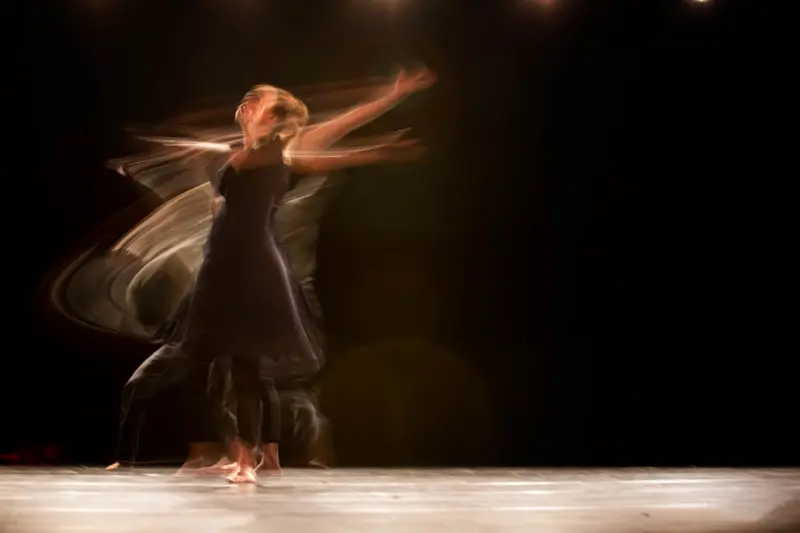
Why Playful Movement Matters
When I first slipped on my favorite song in the kitchen and let my feet wander, I felt an unexpected surge of lightness that lingered long after the music stopped. That moment sparked a deeper curiosity about how playful movement can act as a silent therapist, gently nudging the brain out of rumination and into a state of spontaneous joy. Over the past few months I have been intentionally weaving micro‑dance breaks into my routine, and the cumulative effect on my mental landscape has been nothing short of transformative, turning ordinary days into a series of small celebrations.
My Personal Journey with Everyday Dance
It began during a particularly stressful week when my inbox was overflowing and my to‑do list felt like a mountain; instead of reaching for another cup of coffee, I pressed play on an upbeat playlist and let my body respond. The simple act of swaying while preparing a smoothie released tension I hadn’t even realized I was holding, and the lingering rhythm reminded me that stress does not have to dominate every moment. Since that first impulsive twirl, I have cultivated a habit of honoring my body’s invitation to move, and each spontaneous step feels like a tiny rebellion against the monotony of mental fatigue.
The Biology of Joyful Motion
Science tells us that movement triggers the release of endorphins, dopamine, and serotonin—neurochemicals that serve as natural mood elevators, and this biochemical cascade is amplified when the motion is unstructured and joyful rather than purely functional. Research on neuroplasticity also shows that rhythmic activity stimulates the hippocampus, a region crucial for emotional regulation, helping to rewire stress pathways into more resilient patterns. By engaging in playful movement, we essentially give our nervous system a reset button, allowing us to return to tasks with renewed clarity and a calmer mindset.
Embedding Micro‑Dance into Daily Life
Integrating movement does not require a studio or a choreographed routine; it can be as simple as a five‑minute groove session in the hallway or a spontaneous twirl while waiting for the kettle to boil. Below are a few effortless ways to invite rhythm into your day:
- Set a timer for every hour and stand up to move to a favorite chorus for 30 seconds.
- Create a “dance corner” in your living room with a Bluetooth speaker and a few fun props.
- Pair household chores with a beat—sweep, mop, or fold laundry while matching your steps to the rhythm.
Overcoming Self‑Consciousness
One of the biggest barriers to embracing playful movement is the fear of being judged, whether by ourselves or imagined onlookers; I’ve felt that sting of embarrassment when a neighbor’s cat stared at me during a hallway jig. To quiet that inner critic, I remind myself that the purpose is internal healing, not performance, and I often start with low‑key, private moments before gradually sharing the joy with a trusted friend. By framing movement as a personal celebration rather than a public exhibition, the anxiety melts away, leaving space for authentic expression.
Connecting Movement with Sensory Self‑Care
Movement is a multisensory experience, intertwining proprioception, touch, and even temperature, which is why it pairs beautifully with other wellness practices. If you explore sensory self‑care, you’ll notice how a warm shower followed by a brisk, rhythmic stretch amplifies the feeling of renewal, creating a feedback loop that deepens relaxation and boosts mood. By aligning the physical sensations of movement with intentional sensory cues, you can craft a holistic routine that nurtures both mind and body.
Building Community Through Shared Rhythm
While solo dancing can be liberating, sharing the experience with others adds a layer of connection that further supports mental health; virtual dance circles and neighborhood flash‑mob style gatherings have become my favorite way to feel part of a larger, supportive rhythm. These communal moments reinforce a sense of belonging, reminding us that we are not alone in our quest for emotional balance, and they often spark spontaneous conversations that extend the therapeutic benefits beyond the movement itself. Whether it’s a Zoom‑hosted “move‑break” or a local park pop‑up, the collective energy magnifies the positive impact on our psyche.
Balancing Digital Life with Physical Rhythm
In our hyper‑connected world, screen time can easily eclipse physical activity, leading to a feedback loop of mental exhaustion; I’ve found that deliberately inserting a dance break after a prolonged scrolling session restores focus and reduces anxiety. By using the principles outlined in Finding Mental Balance by Decluttering Your Digital Life, you can schedule intentional “movement windows” that act as digital detoxes, allowing your mind to reset and your creativity to flow anew. This balanced approach ensures that technology serves as a tool rather than a trap, and the rhythm of movement becomes the anchor that steadies your mental ship.
Embrace the Rhythm, Transform Your Mind
Choosing to honor the impulse to move, to sway, to dance, is an invitation to rewrite the narrative of stress into one of playful resilience; each beat you follow becomes a stitch in the fabric of emotional well‑being. I encourage you to start small—hit play on your favorite track, let your body respond without judgment, and notice the subtle shift in mood that follows. Over time, these micro‑moments accumulate, crafting a daily soundtrack of joy that reverberates through every facet of life, proving that the simplest acts of movement can be the most profound gifts you give yourself.

Steph Sanderson is a Toronto-based freelance writer and content creator with a clear passion: crafting compelling articles. With a dedication to clear, engaging prose and a knack for storytelling, Steph brings a wealth of experience to every project.
Related Posts
Structured Daydreaming: Harnessing Intentional Imagination for Mental Well‑Being
Structured daydreaming offers a simple, science‑backed practice to enhance mental health. By setti... Read More
When the Inbox Never Sleeps: Crafting Digital Boundaries for Mental Clarity
Discover practical strategies to manage constant connectivity, from curating notifications and desig... Read More
Why Play Is the Missing Piece in Adult Mental Health
Explore why playful moments are essential for adult mental health and learn practical, low‑effort ... Read More
Top Posts

The Solo Wanderer’s Guide to Turning Travel Downtime into Creative Gold
Discover how solo travelers can transform idle moments on the road into powerful creative sessions, using simple tools, intentional pauses, and minimalist packi...Read More

How a Minimalist Environment Boosts Mental Clarity and Resilience
A cluttered space drains mental energy. Learn practical steps to create a minimalist workspace that supports calm, focus, and resilience, backed by science and ...Read More

Digital Declutter: Rewiring Your Mind for Calm in a Hyper‑Connected World
Learn how intentional screen‑free pauses, storytelling, and playful creativity can transform chronic digital stress into lasting mental calm and resilience....Read More

Sync Your Meals with Your Body Clock for Better Health
Learn to eat in harmony with your body’s natural clock, boosting metabolism, stabilizing energy, and enhancing sleep with practical meal‑timing strategies....Read More
0 Comments
Post Comment
You will need to Login or Register to comment on this post!