
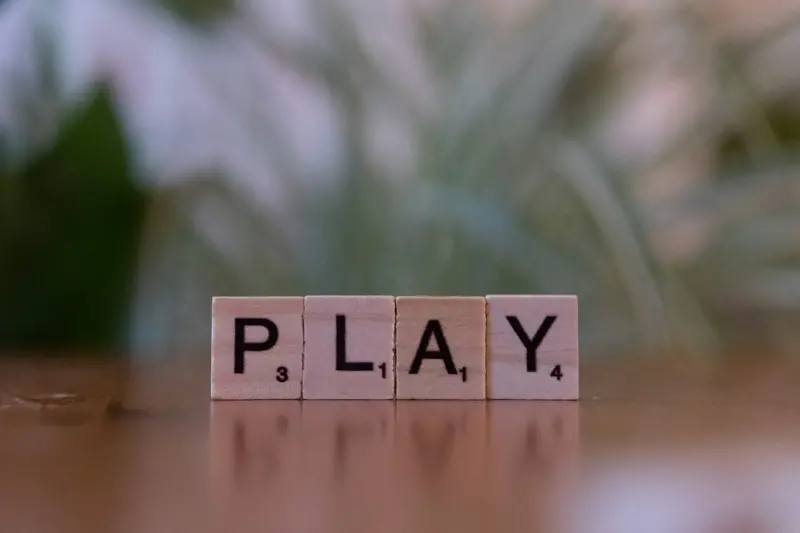
Why Play Matters More Than Ever in Professional Life
When you hear the word “play,” you might picture a child’s sandbox, a weekend board‑game night, or a spontaneous office ping‑pong match. Yet, play is far from frivolous—it’s a biologically wired mechanism that restores mental equilibrium, fuels creativity, and builds social bonds. In an era where constant connectivity and relentless deadlines dominate, reclaiming play becomes a strategic antidote to burnout.
Unlike the quick fixes that pepper our inboxes—meditation apps, productivity hacks, or ergonomic chairs—play engages the brain’s reward circuitry in a way that sustains long‑term resilience. It invites us to step out of the task‑mode and into a state of exploration, where mistakes are tolerated and curiosity reigns. This shift not only lightens the emotional load but also sharpens problem‑solving abilities, making teams more adaptable in the face of change.
The Neuroscience Behind Playful Breaks
When we engage in activities that are intrinsically rewarding—whether it’s solving a puzzle, improvising a short skit, or experimenting with a new hobby—dopamine floods the prefrontal cortex. This neurotransmitter surge improves focus, reinforces learning, and counteracts the stress hormones that accumulate during prolonged concentration.
Research shows that brief, unstructured play can:
- Increase the production of endorphins, which elevate mood and reduce perceived pain.
- Strengthen the hippocampus, the brain region responsible for memory consolidation.
- Enhance neuroplasticity, allowing us to form new connections and adapt more readily to novel challenges.
In practice, these benefits translate to fewer “mental blocks,” quicker recovery from setbacks, and a heightened sense of collective optimism.
From Board Games to Brainstorms: Play in the Physical Workspace
Introducing play doesn’t require a full‑scale redesign of the office. Small, intentional tweaks can create an environment where playful moments arise organically.
Consider setting up a creative corner equipped with tactile objects—building blocks, magnetic tiles, or simple art supplies. These tools invite spontaneous collaboration and serve as visual cues that stepping away from the screen is encouraged.
Another low‑effort strategy is the “challenge of the day.”strong> Each morning, a team member posts a light‑hearted problem—like “design a logo using only three colors” or “find a new use for a paperclip.” Solving it together sparks lateral thinking and injects humor into routine discussions.
These physical interventions dovetail nicely with broader organizational initiatives, such as space optimization strategies that free up desks for collaborative zones, or flexible scheduling experiments that give employees the bandwidth to engage in playful activities without feeling guilty.
Playful Digital Practices for Remote and Hybrid Teams
When face‑to‑face interaction is limited, digital platforms become the playground. Yet, the default mode of video calls and shared documents often feels formal and draining. To counteract this, embed playful elements directly into the virtual workflow.
Gamified check‑ins replace the standard “how are you?” with quick, interactive polls: “Pick a meme that describes your morning” or “Vote for the best virtual background.” The resulting laughter establishes a shared emotional baseline and reduces the social friction of remote communication.
Another technique is the “random coffee roulette.”strong> An automated scheduler pairs two teammates for a brief, informal chat each week, encouraging them to discuss anything but work. These serendipitous conversations recreate the hallway banter that fuels trust and reduces isolation.
Finally, consider a digital “sandbox” channel where anyone can post sketches, short videos, or quirky ideas without a predefined agenda. Over time, this space becomes a repository of collective imagination, a wellspring for future projects.
Embedding Play Without Disrupting Flow
Critics often argue that play is a distraction, especially when deadlines loom. The key is to frame play as a structured micro‑intervention—short, purposeful, and optional.
Research suggests that a five‑minute playful break every hour can reset attention spans and prevent the mental fatigue associated with prolonged focus. Set a gentle timer, stand up, and engage in a quick activity: stretch while humming a tune, doodle a quick sketch, or solve a simple riddle. The pause is brief enough to keep momentum but long enough to reap cognitive benefits.
Leadership endorsement is crucial. When managers openly participate in playful rituals, they signal that mental rejuvenation is a shared priority, not a personal indulgence. This cultural shift helps dissolve the stigma around taking short mental health breaks.
Measuring the Impact of Play on Mental Resilience
To justify investment in playful initiatives, organizations need tangible metrics. While joy is inherently subjective, several quantifiable indicators can illustrate its influence:
- Employee satisfaction surveys that include specific questions about perceived creativity, stress levels, and willingness to experiment.
- Productivity analytics tracking task completion rates before and after the introduction of play‑focused interventions.
- Absenteeism and turnover data—teams that regularly engage in play tend to report lower sick days and higher retention.
- Innovation pipelines—monitor the number of new ideas or patents generated in periods with heightened playful activity.
By aligning these metrics with broader business goals, executives can see play not as a peripheral perk but as a strategic lever for sustainable performance.
Getting Started: A Play‑First Action Plan
Implementing play is less about purchasing fancy equipment and more about cultivating a mindset that values curiosity. Here’s a practical roadmap:
- Audit the environment: Identify spaces (physical or virtual) where play could naturally fit. Look for underused corners, idle chat channels, or recurring meeting gaps.
- Pilot a weekly “play hour”: Choose a low‑stakes activity—improv storytelling, rapid prototyping with LEGO bricks, or a collaborative playlist creation. Invite volunteers and gather immediate feedback.
- Integrate feedback loops: After each session, ask participants what they enjoyed and what could improve. Iterate quickly to keep the experience fresh.
- Scale responsibly: Once the pilot shows positive results, expand the program to other teams, tailoring activities to each group’s culture and preferences.
- Celebrate outcomes: Publicly recognize teams that leverage play to solve a problem or launch an innovative concept. Highlight the connection between the playful process and the tangible result.
This step‑by‑step approach ensures that play is embedded thoughtfully, respecting both individual comfort zones and organizational objectives.
Conclusion: Play as a Pillar of Modern Mental Health Strategy
In the high‑velocity world of business, mental health is no longer a peripheral concern—it’s a core performance indicator. Play offers a scientifically backed, culturally adaptable method to boost resilience, spark creativity, and strengthen social cohesion. By weaving playful moments into both physical and digital workspaces, companies can create a thriving ecosystem where employees feel energized, connected, and ready to tackle complex challenges.
So the next time you see a stray puzzle on a conference table or a teammate suggest a quick doodle break, remember: it’s not a distraction; it’s a strategic investment in your collective mental capital.

Jim Pearse, a seasoned freelance writer, brings a wealth of knowledge and passion to the world of home and garden. From the intricacies of landscaping to the nuances of interior design, Jim delves into every aspect of creating comfortable, beautiful, and functional living spaces.
Related Posts
Playful Reset: Using Curiosity to Defuse Modern Stress
Learn to turn everyday moments into playful resets, using curiosity, micro‑movement, and sensory t... Read More
Digital Boundaries: The Unexpected Superpower for Mental Well‑Being
Discover why setting clear digital limits is the new mental‑health toolkit. This guide offers prac... Read More

Structured Reflection: The Quiet Powerhouse for Workplace Mental Resilience
Discover how a brief, guided reflection habit can reduce stress, improve focus, and foster a resilie... Read More
Top Posts

Crafting a Personal Brand That Supercharges Your Career
Learn how to craft an authentic narrative, leverage social platforms, and showcase real projects to turn your personal brand into a career‑accelerating engine...Read More
Crafting a Portfolio Career: Balancing Multiple Income Streams in a Fluid Job Market
Learn how to design a portfolio career that blends flexibility, financial security, and personal fulfillment. Follow practical steps to curate skills, manage mu...Read More

Smart, Stylish, and Sustainable: 12 Little Home Tweaks That Make Big Differences
A practical guide to 12 easy, sustainable home adjustments—from smart lighting to micro‑gardens—that transform everyday spaces into functional, calming sa...Read More

From Cubicle to Garden: How an Outdoor Desk Transformed My Home Life
A personal journey from office cubicle to garden desk reveals how outdoor workspaces can boost wellness, creativity, and community, with practical design insigh...Read More
0 Comments
Post Comment
You will need to Login or Register to comment on this post!