
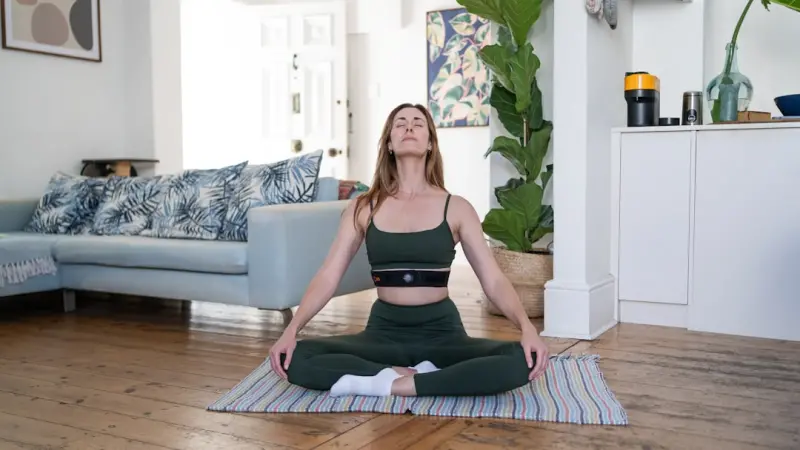
Why Your Breath Deserves a Wearable Upgrade
When I first strapped a sleek pulse‑oximeter to my wrist during a marathon of back‑to‑back Zoom calls, I expected a neat little graph of heart‑rate variability. What I got instead was a startling reminder that my breath—something I’d taken for granted all my life—was the most immediate, real‑time health metric I could monitor. The data didn’t just sit on a screen; it shouted, “Hey, you’re stressed, you’re slouching, you’re forgetting to exhale fully.” That moment sparked a curiosity that has since turned into a full‑blown obsession: biofeedback‑driven breathwork.
From Ancient Pranayama to Modern Bio‑Sensors
Breathwork isn’t new. Ancient yogis, martial artists, and even early 20th‑century physiologists recognized its power to shift mental states and physiological outcomes. What’s new is our ability to measure each inhalation and exhalation with a precision that would have made those early pioneers gasp (pun intended). Today’s wearables—chest straps, smart rings, and even earbuds—track respiratory rate, tidal volume, and the subtle fluctuations of oxygen saturation.
But raw numbers mean little without context. That’s where the marriage of Digital Declutter: Reclaiming Mental Space in a Hyper‑Connected World principles comes in. Just as we clear our inboxes to reduce mental fog, we can “declutter” our breath patterns, stripping away shallow, stress‑induced respirations that crowd our nervous system.
The Science: How Breath Controls the Body
Three mechanisms link breath to health:
- Autonomic Balance: Slow, diaphragmatic breathing activates the parasympathetic nervous system, lowering cortisol and heart rate.
- Gas Exchange Efficiency: Full breaths improve alveolar oxygen uptake, supporting mitochondrial function and brain oxygenation.
- Neuroplasticity: Consistent breath training rewires the brain’s stress circuitry, making you less reactive over time.
When a wearable detects a rise in respiratory rate that’s out of sync with activity level, it can prompt a micro‑pause—an instant cue to reset the rhythm.
Designing a Biofeedback Breath Routine
Below is a step‑by‑step framework that I’ve refined over the past six months. Feel free to experiment, but keep the core pillars in mind:
- Baseline Capture: Wear your sensor for 48 hours during a typical workday. Let the device log every breath, heart‑rate, and movement snippet.
- Pattern Recognition: Identify “spikes” — moments when respiratory rate jumps >20% above baseline without a corresponding physical exertion.
- Micro‑Reset Triggers: Set up a gentle vibration or soft chime that activates the moment a spike is detected.
- Guided Reset: Follow a 30‑second protocol:
- Inhale through the nose for a count of 4.
- Hold for 2.
- Exhale slowly through the mouth for a count of 6.
- Repeat three times.
- Feedback Loop: After each session, the device logs compliance and the subsequent drop in stress markers. Review weekly to see trends.
This loop mirrors the Sonic, Aromatic, and Tactile: Crafting a Multi‑Sensory Personal Care Ritual approach: you’re not just breathing; you’re creating an immersive, sensory‑rich reset that your brain can associate with calm.
Real‑World Benefits I’ve Experienced
Since integrating biofeedback breathwork into my daily routine, I’ve logged measurable improvements:
- Reduced afternoon slump: My self‑reported fatigue score dropped from 7/10 to 3/10 within three weeks.
- Sharper focus: Tasks that previously required 90 minutes now wrap up in 70, thanks to steadier oxygen delivery.
- Improved sleep latency: Falling asleep takes ~15 minutes less on average, likely due to a lower evening cortisol baseline.
These aren’t anecdotal miracles; they’re data‑backed outcomes that align with peer‑reviewed studies linking diaphragmatic breathing to improved executive function.
Integrating Breathwork with Other Health Habits
Breath isn’t an isolated habit; it amplifies everything else you do. Here’s how it dovetails with popular health trends:
Morning Light & Circadian Rhythm
Early‑morning exposure to natural light synchronizes your suprachiasmatic nucleus, setting the stage for a balanced breathing pattern throughout the day. If you pair a 10‑minute sunrise walk with a focused breathing session, you essentially double‑down on circadian optimization. For a deeper dive on leveraging daylight, see Morning Light: Unlocking Your Body’s Natural Rhythm for Better Health.
Digital Declutter & Mental Space
Just as you might mute non‑essential notifications, you can “mute” the noise of shallow breathing. The wearable’s gentle prompt becomes a digital declutter for your nervous system, reminding you to clear mental static before it snowballs into anxiety.
Multi‑Sensory Rituals
Incorporating soothing sounds (like low‑frequency binaural beats) or aromatics (lavender, cedar) while you breathe creates a richer sensory anchor. Over time, your brain learns to associate those cues with calm, making the transition into relaxation almost automatic.
Choosing the Right Tech
Not all wearables are created equal. Here’s what I look for:
- Respiratory Rate Accuracy: Devices that use impedance pneumography or optical sensors tend to be more precise than those relying on indirect heart‑rate variability.
- Open API: Ability to export raw data to platforms like
HealthKitorGoogle Fitfor custom analysis. - Customizable Alerts: Vibration patterns that are discreet yet noticeable, especially in professional settings.
- Battery Life: At least 48 hours to avoid constant recharging, which could interrupt habit formation.
My current favorite is the RespiraBand, a slim chest strap that syncs seamlessly with my smartphone, delivering real‑time breath alerts and a weekly “Breath Score.”
Overcoming Common Pitfalls
Even the best‑designed system can stumble if you ignore the human factor. Here are three frequent obstacles and how to sidestep them:
- Alert Fatigue: If you get buzzed every two minutes, the signal loses meaning. Set thresholds intelligently—only trigger when the respiratory rate exceeds baseline by a meaningful margin.
- Inconsistent Wear: Skipping days creates data gaps that skew trends. Pair the device with something you already wear daily (a watch or ring) to build habit consistency.
- “One‑Size‑Fits‑All” Mindset: Your ideal breathing cadence differs from a colleague’s. Use the baseline capture phase to personalize your target zones.
Scaling Breathwork for Teams
If you’re a leader looking to boost collective resilience, consider rolling out a “Breath‑Break” program. Here’s a quick blueprint:
- Kickoff Workshop: Teach the 4‑2‑6 technique and explain the science.
- Device Provision: Offer a budget‑friendly wearable or a smartphone app with biofeedback capabilities.
- Shared Dashboard: Create an anonymous, aggregated view of team breath health to foster collective accountability.
- Weekly Review: Discuss trends in a short stand‑up, celebrating improvements and troubleshooting spikes.
When a team learns to collectively reset its nervous system, you’ll notice smoother meetings, sharper decision‑making, and a subtle but palpable uplift in morale.
The Future: AI‑Guided Breath Coaching
Imagine an AI that not only detects a breath spike but also predicts it minutes before it happens, nudging you with a tailored inhalation pattern based on your current workload, ambient noise, and even the temperature of the room. This is no longer sci‑fi; early prototypes are already integrating machine‑learning models with wearable data streams. The next wave of health tech will likely merge the When AI Becomes Your Personal Curiosity Coach mindset with real‑time physiological guidance.
Getting Started Today
Ready to give your breath the upgrade it deserves? Follow these three starter steps:
- Pick a Device: Choose a wearable that tracks respiratory rate accurately.
- Set Baseline: Wear it for 48 hours without altering your routine.
- Implement the 4‑2‑6 Reset: Respond to the first three alerts you receive and log how you feel.
Within a week, you’ll start seeing subtle shifts—more calm during stressful calls, quicker recovery after workouts, and a lighter mental load when you close your laptop at night. It’s a tiny habit with a massive ripple effect.
Final Thoughts
We live in an era where data is abundant but wisdom is scarce. By turning the most fundamental rhythm—our breath—into a data‑driven ally, we reclaim agency over our nervous system without surrendering to endless notifications or complex regimens. The technology is a catalyst, not a crutch; the real magic happens when you pair the numbers with intentional, mindful practice.
So, the next time you feel the buzz on your wrist, pause. Inhale. Hold. Exhale. Let the numbers fade and the breath lead you back to a place where health feels alive, not just logged.

Brad Hays is a freelance writer known for his versatile skill set and ability to craft compelling content across a wide range of industries.
Related Posts

Breathe Like a Pro: How Intentional Breathwork Supercharges Your Health
Learn practical breathwork methods that transform stress into calm, enhance sleep quality, and stren... Read More

Micro‑Movement Magic: Tiny Workday Exercises That Transform Health
Micro‑movement introduces quick, purposeful exercises into the workday, counteracting the harmful ... Read More
Unlocking Your Body’s Internal Clock: A Remote‑Work Health Blueprint
A practical guide shows remote workers how to sync daily routines with their natural circadian rhyth... Read More
Top Posts

Cold Exposure: A Simple Habit for Lasting Vitality
Explore the science and practical steps behind cold exposure, from 30‑second showers to weekly ice baths, and learn how this humble habit can transform your h...Read More

Turning Your Home into a Sensory Sanctuary: Small Tweaks, Big Comfort
Explore how subtle changes in texture, aroma, lighting, and sound can turn any space into a soothing retreat, boosting comfort and well‑being....Read More

Rooftop Rain Gardens: Turning City Roofs into Lush, Sustainable Sanctuaries
Discover how rooftop rain gardens transform unused roof space into vibrant, water‑wise ecosystems that improve air quality, reduce runoff, and create a relaxi...Read More

Adaptive Skincare Tech: Turning Routine Into Real‑Time Personal Care
Adaptive skincare technology transforms static personal care habits into responsive rituals, using sensors and AI to deliver precise, waste‑free recommendatio...Read More
0 Comments
Post Comment
You will need to Login or Register to comment on this post!