
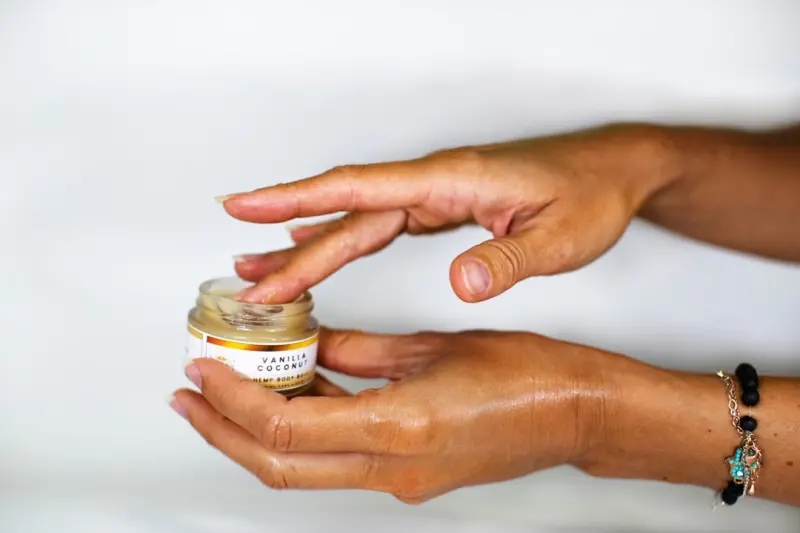
Why Body Scrubs Deserve a Spot in Your Personal Care Arsenal
When I first slipped a gentle, grainy paste across my forearm after a long day, I felt an unexpected surge of gratitude toward my own skin. That moment sparked a revelation: a well‑crafted body scrub does more than polish the surface; it invites a dialogue between the body and the senses, turning an ordinary cleanse into a miniature ceremony of self‑respect. In a world saturated with quick‑fix cleansers that promise instant results yet strip away natural oils, a scrub reminds us that patience and texture can coexist, delivering both exfoliation and hydration in a single, mindful motion. Moreover, the ritual of massaging a scrub into the skin stimulates circulation, encourages lymphatic drainage, and awakens dormant nerve endings that have been silenced by endless screen time. Investing a few minutes each week in this tactile practice can translate into smoother texture, brighter tone, and a subtle, lingering glow that no synthetic product can replicate. The beauty of a scrub lies in its adaptability—it can be as luxurious as a spa‑grade formulation or as simple as pantry staples, making it an inclusive tool for anyone eager to nurture their epidermal health.
Building Your Own Scrub: Ingredient Essentials
The foundation of any effective scrub rests on three pillars: a gentle abrasive, a moisturizing carrier, and a functional add‑in that addresses specific skin concerns. For the abrasive, think finely ground oats, sugar crystals, or finely milled coffee—each offers a distinct particle size that can be calibrated to suit sensitive or tougher skin areas. The carrier, typically a natural oil such as sweet almond, jojoba, or grapeseed, serves to cushion the scrub’s grit while sealing in moisture, preventing the post‑scrub “tight” feeling that many commercial products leave behind. Functional add‑ins range from antioxidant‑rich vitamin E oil and soothing aloe vera gel to anti‑inflammatory herbs like chamomile or calendula, allowing you to tailor the blend to seasonal needs or personal preferences. By selecting ingredients you already trust, you eliminate hidden chemicals, artificial fragrances, and unnecessary preservatives that often trigger irritation. This transparency also empowers you to experiment with aromatherapy—adding a few drops of lavender or eucalyptus can transform the routine into a holistic sensory experience that calms the mind as it cares for the skin.
Two Easy DIY Scrub Recipes
Recipe One: Gentle Oat‑Honey Delight. Combine one cup of finely ground oatmeal with a quarter cup of raw honey and two tablespoons of warm olive oil. Mix until you achieve a smooth, paste‑like consistency that clings lightly to the skin. The oatmeal’s saponins gently cleanse while honey’s natural humectant draws moisture into the epidermis, leaving a supple finish. Apply in circular motions for 2‑3 minutes, focusing on elbows, knees, and any rough patches, then rinse with lukewarm water. Recipe Two: Citrus Coffee Reviver. Blend half a cup of coffee grounds (cooled) with one tablespoon of coconut oil, the zest of one orange, and a pinch of sea salt. The caffeine stimulates microcirculation, orange zest supplies vitamin C for brightening, and the sea salt adds a mineral boost that helps balance the skin’s pH. Massage onto damp skin for a minute, allowing the invigorating aroma to awaken your senses, then rinse thoroughly. Both formulas are preservative‑free, meaning they’re best stored in airtight containers and used within two weeks, ensuring that the active enzymes and antioxidants remain potent.
Sensory Magic: How Texture Enhances Self‑Care
Beyond the biochemical benefits, the tactile pleasure of a scrub can act as a bridge between body and mind, echoing the principles explored in Simple Sensory Hacks. When you feel the granules glide across your skin, you’re simultaneously stimulating mechanoreceptors that send calming signals to the brain, reducing stress and heightening present‑moment awareness. This “skin‑based mindfulness” is especially valuable after a day of digital overload, offering a tangible counterbalance to the invisible pressures of constant notifications. By varying the particle size—using sugar for a finer, more delicate feel and coffee for a robust, invigorating texture—you can customize the sensory journey to match your mood, whether you crave soothing calm or energetic uplift. Pairing the scrub with a favorite playlist or a scented candle deepens the multisensory immersion, turning a routine cleanse into a mini‑retreat that nourishes both epidermal health and emotional equilibrium.
Probiotic Power and the Skin Microbiome
While exfoliation clears away dead cells, the aftermath is an ideal canvas for nurturing the skin’s microbiome, a topic I’ve explored in depth through DIY Probiotic Skincare. After rinsing, the skin’s barrier is temporarily more permeable, allowing beneficial microbes and prebiotic ingredients to colonize more effectively. Incorporating a post‑scrub mist of fermented rose water or a thin layer of kefir‑infused yogurt can replenish the protective flora, reducing inflammation and enhancing resilience against environmental aggressors. This synergistic approach—exfoliate, then feed—mirrors the natural cycles of skin renewal, ensuring that you’re not merely removing debris but also fostering a balanced ecosystem that supports long‑term radiance. For those wary of dairy, alternatives like kombucha tea or botanical prebiotics derived from chicory root can deliver similar benefits without the risk of irritation, demonstrating that probiotic care is adaptable to a wide range of skin types and personal preferences.
Seamless Integration Into Your Daily Routine
To make the scrub habit stick, I recommend anchoring it to an existing ritual, such as the moment you step out of the shower or the few minutes before bedtime. Set a small, attractive bowl on the edge of your bathtub, and keep the chosen scrub within arm’s reach; visual cues dramatically increase adherence. Limit the practice to once or twice a week, allowing the skin sufficient time to recover and regenerate between sessions. Follow the scrub with a lightweight, fragrance‑free moisturizer to lock in the hydration delivered by the carrier oils, and consider a brief period of gentle stretching or yoga to extend the circulation boost generated during the massage. By treating the scrub as a “pause button” for the day, you transform a simple cleanse into a purposeful reset that signals to your nervous system that it’s time to unwind, thereby amplifying the overall impact on both physical and mental well‑being.
The Lasting Impact of a Thoughtful Scrub Practice
Over months of consistent use, I’ve observed not only smoother, more luminous skin but also a subtle shift in my relationship with self‑care: the act of deliberately massaging a handmade blend becomes a reminder that my body deserves intentional attention. This mindset ripples outward, encouraging me to make other mindful choices—from selecting breathable fabrics to opting for plant‑based meals that support skin health from the inside out. The cumulative effect of these small, deliberate actions is a holistic elevation of personal wellness that transcends the bathroom mirror. In a culture that often equates self‑care with occasional indulgence, a regular, DIY body scrub stands as a quiet, powerful testament to the principle that true nourishment lies in consistency, craftsmanship, and the joy of engaging all five senses in the service of our own vitality.

Karen Edwards is a seasoned freelance writer with a passion for all things furry, feathered, and scaled. With a dedicated focus on pets, she brings a wealth of knowledge and a keen eye for detail to her writing.
Related Posts

Reimagining Personal Care: Turning Daily Hygiene into a Performance Ritual
Learn how to upgrade your morning and evening routines into intentional performance rituals using in... Read More
Unlocking the Skin Microbiome: A New Frontier in Personal Care
A deep dive into the skin microbiome reveals how nurturing our skin’s native microbes can transfor... Read More

Micro‑Mobility: The Quiet Revolution in Personal Care
Micro‑Mobility turns everyday motion into a powerful personal care tool. Learn simple stretches, p... Read More
Top Posts

The Rise of Miniature Urban Forests: Turning Small Spaces into Lush Retreats
Explore the concept of miniature urban forests—layered, native plantings that turn balconies and patios into thriving ecosystems, improving air quality, menta...Read More

Cultivating Mental Hygiene: A Daily Routine for Clearer Thinking
Discover a practical mental hygiene routine—quick sweeps, brain dumps, and micro‑pauses—that helps clear mental clutter, enhance focus, and foster emotion...Read More
Rewiring Your Routine: Personal Care That Calms the Brain
A deep dive into turning everyday personal care into a neuro‑supportive ritual, blending sensory design, micro‑movements, and tech‑enabled feedback for la...Read More

Training the Mind Like a Pro: A Mental Fitness Playbook
A fresh take on mental health: treat your brain like a pro athlete. Learn core drills, periodization, and recovery strategies that turn daily stress into sustai...Read More
0 Comments
Post Comment
You will need to Login or Register to comment on this post!