
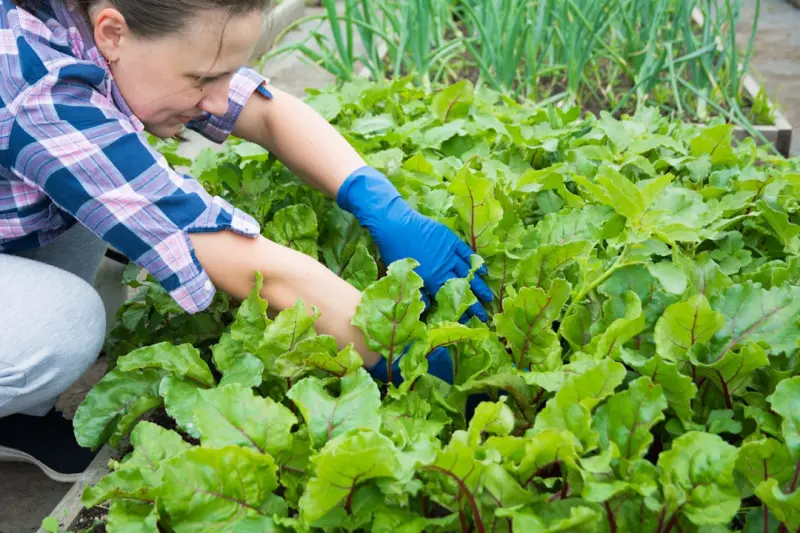
Why a Micro‑Forest Is the Next Big Thing for Your Yard
Imagine stepping into your backyard and feeling the hush of a forest canopy, the scent of fresh earth, and the soft rustle of native leaves. A micro‑forest packs the ecological benefits of a full‑sized woodland into a modest plot, boosting biodiversity while requiring surprisingly little space. This approach turns ordinary soil into a thriving habitat, offering shade, carbon capture, and a living backdrop for everyday life.
Choosing the Right Site and Soil Preparation
Start by selecting a sunny‑to‑partly‑shaded area that receives at least four to six hours of light, avoiding heavy foot traffic zones. Clear the ground of weeds and debris, then loosen the top 12‑18 inches to improve aeration; a fork or garden tiller works well for this step. Adding a thin layer of compost enriches the soil, providing the nutrients needed for young saplings to establish strong roots.
Picking Native Species for a Resilient Forest
Focus on trees, shrubs, and groundcovers that are native to your region, as they adapt naturally to local climate and soil conditions. Oak, serviceberry, and hazelnut make excellent canopy and understory choices, while native ferns and wildflowers fill the forest floor with texture and color. By stacking layers—from tall trees to low‑lying herbs—you create a self‑sustaining ecosystem that mimics nature’s own design.
Strategic Planting Layout: The 3‑12‑30 Rule
Apply the simple 3‑12‑30 rule to ensure proper spacing: plant trees three feet apart, shrubs twelve feet apart, and groundcovers thirty feet apart, adjusting as needed for species size. This spacing promotes healthy growth, reduces competition for light, and allows each plant to reach its full potential without crowding. A quick visual map drawn on graph paper can help you visualize the layout before you start digging.
Water Management: Harnessing Rain and Smart Irrigation
Effective watering is crucial during the first two years, but you don’t need a fancy system to succeed. Implement a basic rain‑water catchment barrel and position it near the planting zone, allowing gravity to deliver moisture where it’s needed most. For those who prefer a tech‑savvy touch, check out Smart Irrigation on a Budget for affordable, automated solutions that conserve water while keeping seedlings hydrated.
Mulching and Groundcover Techniques
Cover the soil with a generous layer of organic mulch—shredded bark, leaf litter, or straw—to retain moisture, suppress weeds, and gradually enrich the soil as it decomposes. In addition to mulch, plant nitrogen‑fixing groundcovers such as clover or lupine to improve soil fertility and provide a lush carpet that reduces erosion. These low‑maintenance layers create a stable microclimate, fostering the healthy development of your forest.
Integrating Wildlife Habitat Features
Invite beneficial insects, birds, and small mammals by installing simple habitat enhancers like log piles, birdhouses, and bee‑friendly flower patches. Native berries from serviceberry or hawthorn provide food, while shallow water dishes act as drinking stations during dry spells. By encouraging a diverse cast of visitors, you reinforce the ecological web that makes a micro‑forest thrive.
Long‑Term Maintenance and Succession Planning
After the initial establishment phase, maintenance shifts to selective pruning, occasional mulching, and monitoring for invasive species. As trees mature, consider thinning the canopy to allow light to reach the understory, promoting a balanced, multi‑layered forest structure. Over time, you can introduce additional native species to replace any that falter, ensuring the forest evolves naturally and remains vibrant for decades.
Enjoying the Benefits: From Fresh Produce to Calm Reflection
A backyard micro‑forest rewards you with edible nuts, berries, and herbal leaves, turning your garden into a sustainable food source. Beyond the harvest, the shaded oasis offers a serene retreat for reading, meditation, or simply unwinding after a busy day. Embrace the subtle changes each season brings, and let your miniature woodland become a living, breathing extension of your home.

Jimmy Damon loves to right on a large scale of topics with all things Canadian as this Montreal die hard loves hockey. fishing and sports.
Related Posts
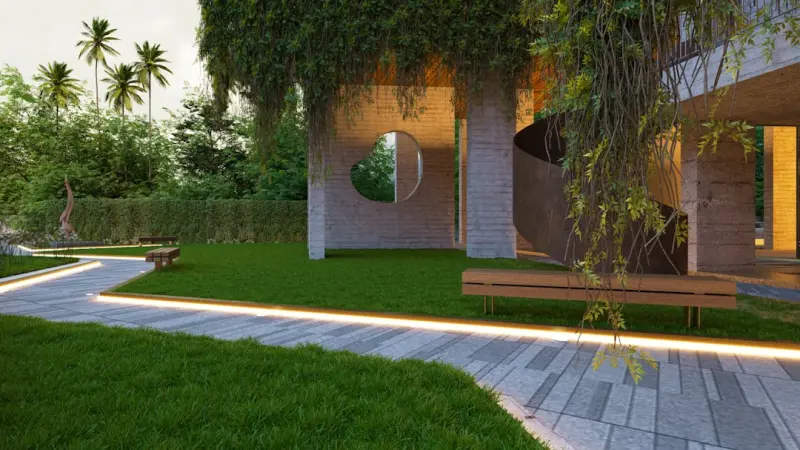
Designing a Pet‑Friendly Garden Oasis for Fun and Safety
Learn how to craft a pet‑friendly garden oasis that blends safety, style, and sustainability, offe... Read More
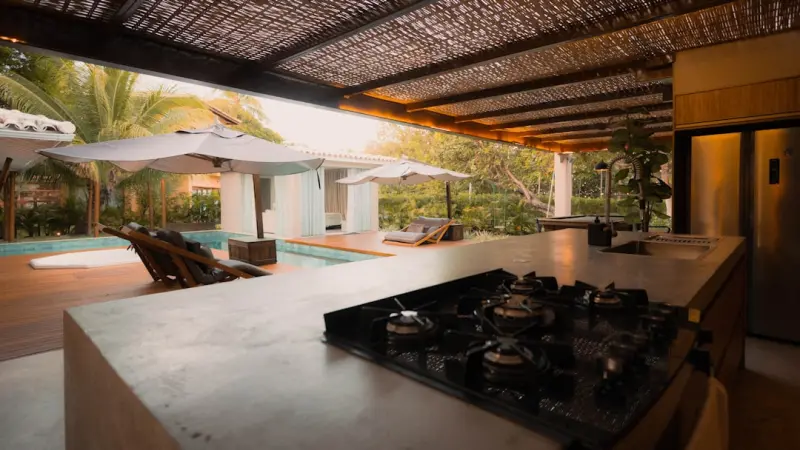
Designing a Year‑Round Outdoor Kitchen That Grows With You
Learn to create a versatile outdoor kitchen that adapts to summer barbecues, winter gatherings, and ... Read More

Crafting a Multi‑Sensory Garden Sanctuary for Everyday Calm
Discover the step‑by‑step process of turning any outdoor space into a multi‑sensory garden ret... Read More
Top Posts

Micro‑Getaways: Turning Everyday Commutes Into Pocket Adventures
Explore the power of micro‑travel: turn routine commutes, train rides, and local strolls into memorable pocket adventures that refresh the mind and support su...Read More
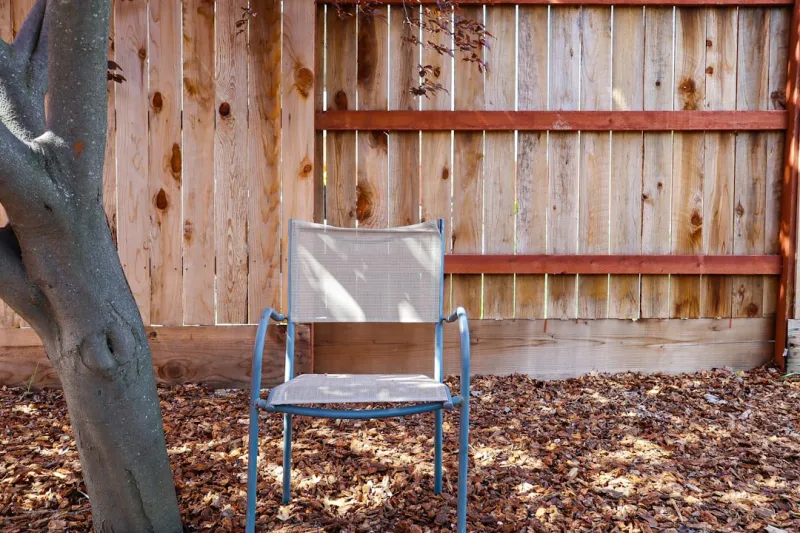
Transform Your Backyard into a Productive Oasis with a Garden Desk
Explore the rise of garden desks and learn how to create a stylish, eco‑friendly outdoor workspace that enhances focus, well‑being, and your home garden’s...Read More

Designing a Multi‑Sensory Garden: How to Engage Sight, Sound, Touch, Smell, and Taste at Home
Transform your backyard into a sensory sanctuary by layering texture, sound, fragrance, taste, and lighting. This guide offers practical steps for homeowners to...Read More

Smart Storage Strategies to Transform Small Spaces
Learn how to turn vertical space, multipurpose furniture, and simple labeling into powerful storage solutions that keep your home organized, sustainable, and st...Read More
0 Comments
Post Comment
You will need to Login or Register to comment on this post!