
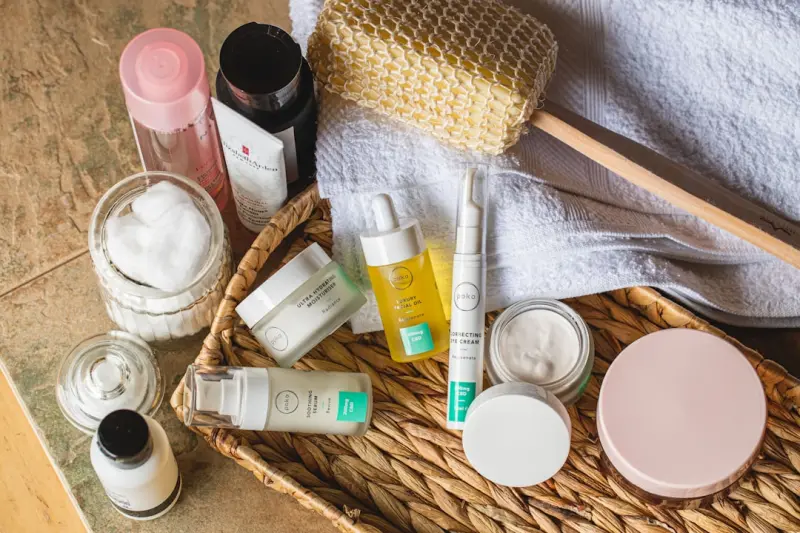
Reimagining Personal Care Through the Lens of Your Skin’s Microbiome
When I first stumbled upon the concept of a skin microbiome, it felt like discovering a hidden city thriving on the surface of my own face. Our skin isn’t just a barrier; it’s an ecosystem of bacteria, fungi, and yeasts that communicate, defend, and even influence our mood. Traditional personal care products often ignore this delicate balance, opting for harsh antiseptics that wipe out both the good and the bad. By shifting our perspective from “clean” to “cultured,” we open the door to routines that nurture beneficial microbes while still addressing concerns like dryness or blemishes. This approach aligns with the growing movement toward holistic wellness, but it remains under‑explored in mainstream personal care advice. In the sections that follow, I’ll walk you through the science, the DIY methods, and the mindful habits that let you co‑create a thriving skin community, turning everyday care into a collaborative, living ritual.
Why the Skin Microbiome Matters More Than You Think
The skin’s microbial residents act like a personalized security system, outcompeting pathogens, producing antimicrobial peptides, and modulating inflammation. When the balance tips—due to over‑cleansing, antibiotics, or environmental stressors—you may notice increased sensitivity, breakouts, or even a compromised barrier that leads to chronic dryness. Research shows that a diverse microbiome correlates with healthier skin tone and resilience against irritants, making it a cornerstone of long‑term skin health. Moreover, emerging studies suggest a bidirectional link between skin microbes and our nervous system, meaning a happy microbiome can subtly boost mood and reduce perceived stress. Understanding this symbiosis empowers you to select products and practices that support, rather than sabotage, the microscopic allies that keep your skin radiant and robust.
Fermentation: The Ancient Technique Revived for Modern Skincare
Fermentation isn’t just for kimchi or kombucha; it’s a time‑honored method of breaking down complex molecules into bio‑available nutrients. In skincare, fermenting botanical extracts amplifies their antioxidant capacity, stabilizes volatile compounds, and introduces beneficial lactobacilli that can colonize the skin surface. The process is deceptively simple: you combine plant material with a sugar source and a starter culture, then let it sit at a controlled temperature for a few days. The resulting serum is rich in peptides, organic acids, and live microbes that can gently exfoliate, hydrate, and signal your skin to strengthen its barrier. By integrating fermented ingredients into your routine, you’re essentially feeding your skin’s microbiome, providing it with the same kind of pre‑biotics and probiotics that fuel gut health—without the digestive side effects.
Crafting a DIY Probiotic Serum: The Core Ingredients
To begin, gather a few key components: a base oil such as jojoba (which mimics sebum), a fermented botanical extract like fermented green tea or rose water, a starter culture (plain, unsweetened yogurt or a commercial probiotic powder), and a natural preservative like radish seed extract. Jojoba oil offers a non‑comedogenic carrier that won’t disrupt the skin’s pH, while the fermented extract supplies antioxidants and organic acids that condition the microbiome. The probiotic source introduces live lactobacilli, and the preservative ensures stability without synthetic chemicals. It’s crucial to keep the formulation at a slightly acidic pH (around 5.5) to mirror the skin’s natural environment, fostering the growth of beneficial microbes while keeping opportunistic pathogens at bay. This combination creates a synergistic serum that moisturizes, balances, and gently educates the skin’s ecosystem.
Step‑by‑Step Guide to Fermenting Your Botanical Extract
Start by chopping fresh herbs or flowers—think chamomile, calendula, or lavender—and placing them in a sterilized glass jar. Add a tablespoon of raw honey or a pinch of sugar to feed the microbes, then pour in filtered water to cover the plant material. Seal the jar loosely to allow gases to escape, and store it in a dark, cool spot for 48–72 hours. You’ll notice subtle bubbles forming, a sign that fermentation is underway. After the period, strain the liquid through a fine mesh or cheesecloth, discarding the solids. Transfer the fermented tea into a dark glass bottle, and keep it refrigerated to pause further fermentation. When you’re ready to blend it into your serum, combine a few drops with the jojoba oil and probiotic powder, whisking until fully emulsified. The finished product should have a faint, tangy aroma and a silky texture that absorbs quickly, leaving skin feeling supple and subtly refreshed.
Integrating the Serum into Your Daily Routine
Apply the probiotic serum after cleansing but before heavier moisturizers, allowing it to penetrate the freshly prepared skin. A pea‑sized amount is enough for the entire face; gently pat it in with clean fingertips, focusing on areas prone to dryness or irritation. Because the formula contains live cultures, consistency is key—daily use helps maintain a stable microbial population, while occasional breaks can prevent over‑colonization. Pair this step with a simple barrier‑supporting moisturizer that contains ceramides or niacinamide for added protection. If you’re new to fermented skincare, start with every other night and monitor your skin’s response, gradually moving to nightly application as tolerated. This mindful approach ensures you nurture the microbiome without overwhelming it, turning a routine act into an act of partnership.
Linking Personal Care to Sustainability: Zero‑Waste Fermentation
One of the joys of DIY probiotic skincare is its alignment with a low‑impact lifestyle. By using reusable glass containers, repurposing kitchen scraps (like citrus peels for fragrance), and opting for natural preservatives, you dramatically cut down on single‑use plastics and synthetic additives. Moreover, the fermentation process itself is energy‑light; a simple jar at room temperature replaces the need for energy‑intensive manufacturing processes. Embracing this method also encourages a deeper connection to the ingredients you source, fostering mindful consumption. If you’re interested in expanding your sustainable toolkit, check out The Personal Care Toolkit for additional low‑waste habits that complement your probiotic routine.
Potential Pitfalls and How to Avoid Them
While the benefits are compelling, there are a few common missteps to watch for. First, ensure your fermentation environment stays clean; contamination can introduce unwanted microbes that may irritate the skin. Using sterilized jars and fresh, organic ingredients reduces this risk. Second, be mindful of the serum’s shelf life; even with natural preservatives, a fermented product typically remains stable for 2–3 weeks refrigerated. Discard any batch that develops off‑smells or mold. Finally, avoid combining the serum with strong acids or retinoids in the same routine, as the low pH of fermented extracts can increase sensitivity. By respecting these guidelines, you’ll enjoy a thriving skin microbiome without compromising safety.
Closing Thoughts: Turning Personal Care Into a Collaborative Celebration
Adopting a probiotic, fermented approach to skincare reshapes personal care from a solitary act of cleansing into a collaborative celebration with the microscopic life living on our skin. It invites us to listen, nurture, and co‑create, echoing the broader shift toward holistic wellness that honors both body and environment. By crafting your own serum, you gain agency over the ingredients, reduce waste, and deepen your connection to the daily rituals that keep you feeling confident and comfortable. As you experiment with different botanicals and probiotic strains, you’ll discover a unique signature scent and texture that reflects your personal ecosystem. Embrace this living routine, and watch your skin not only look better but feel more resilient, radiant, and in harmony with the vibrant community that calls it home.

Brad Hays is a freelance writer known for his versatile skill set and ability to craft compelling content across a wide range of industries.
Related Posts
Biophilic Personal Care: Nature‑Inspired Grooming for the Modern Professional
Discover how integrating natural elements, microbiome‑friendly formulas, and smart lighting into d... Read More
Zero‑Waste Personal Care: A Practical Blueprint for Everyday Sustainability
Discover a step‑by‑step guide to transform your daily personal care into a zero‑waste practice... Read More
Minimalist Personal Care: The Art of Doing Less and Feeling More
A minimalist personal care routine trims excess, focuses on multi‑purpose essentials, and turns da... Read More
Top Posts
From My Garden Desk: How a Green Workspace is Redefining Home & Garden Living
Jimmy Damon reveals how turning his backyard into a garden office sparked productivity, creativity, and a fresh take on home & garden living—plus a simple blu...Read More
Turn Your Small Yard into a Year‑Round Food Oasis
Discover practical steps to convert even the smallest outdoor space into a year‑round food oasis, from mapping micro‑climates and layering soil to creating ...Read More

Why Small Spaces Deserve Big Attention
Ever walked into a room and felt that subtle, almost invisible tug? It’s the same feeling you get when a favorite song pops on the radio at just the right mom...Read More
Cultivating Productivity: How My Garden Became the Ultimate Home Office
Jimmy Damon shares his journey turning a backyard garden into a year‑round, tech‑savvy home office, offering practical tips for design, ergonomics, and seas...Read More
0 Comments
Post Comment
You will need to Login or Register to comment on this post!