
Why the Invisible Matters More Than the Visible
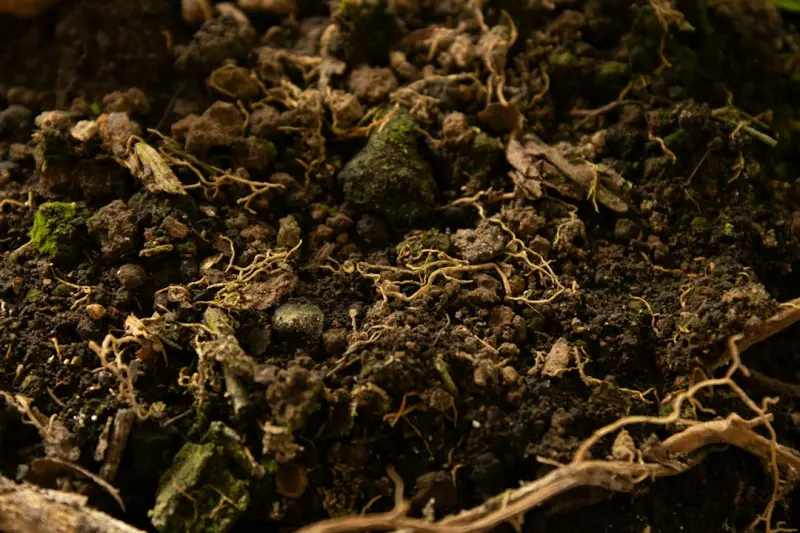
When you step onto a garden patch, the first thing you see is the splash of green, the curve of a leaf, the promise of a tomato ready to burst. Yet, beneath every leaf lies a bustling metropolis of bacteria, fungi, protozoa, and tiny arthropods that are the true architects of plant health. These microscopic citizens—collectively known as the soil microbiome—drive nutrient cycling, bolster disease resistance, and even influence the flavor profile of the food you harvest. If you’ve ever wondered why two identical seed packets can produce wildly different results, the answer is almost always down in the dirt.
The Science of Soil Microbes (Without the Lab Coat)
Think of soil microbes as the unsung heroes of a thriving garden. Mycorrhizal fungi extend the root system of plants, acting like natural super‑highways for water and phosphorus. Nitrogen‑fixing bacteria such as Rhizobium turn inert atmospheric nitrogen into the form plants can actually use. And a host of decomposers break down organic matter, releasing essential micronutrients back into the soil matrix.
What’s fascinating is that these relationships are mutualistic: the plant supplies sugars to the microbes, and the microbes return the favor with nutrients and protection. When this partnership is strong, plants grow faster, need fewer chemical inputs, and become more resilient to pests and drought.
From Kitchen Scraps to Micro‑Marvels: Building Your Own Microbial Bank
Creating a thriving soil microbiome starts with feeding it. One of the most effective ways is to incorporate organic matter that serves as food for the microbes. Here are three tried‑and‑true methods you can implement right away:
- Compost piles: Layer green (fresh kitchen waste) and brown (dry leaves, straw) materials, keep the mix moist, and turn it weekly. Within a few months, you’ll have dark, crumbly compost teeming with beneficial microbes.
- Worm bins: Red wigglers love the same kitchen scraps and produce vermicompost, which is a powerhouse of microbial diversity. Their castings also improve soil structure, making it easier for roots to breathe.
- Cover crops: Planting legumes or grasses during the off‑season adds biomass that, when turned under, becomes a nutrient‑rich, microbe‑laden mulch.
If you’re looking for a quick win, try Zero‑Waste Home Cleaning: Simple Swaps for a Greener Household. Many of the cleaning agents you replace with eco‑friendly alternatives can double as safe, organic inputs for your garden when diluted appropriately.
Smart Tools for the Modern Gardener
Technology isn’t just for the office. A new generation of garden gadgets helps you monitor and nurture the soil microbiome with precision:
- Digital soil meters that measure pH, moisture, and even electrical conductivity—an indicator of microbial activity.
- Bluetooth-enabled moisture sensors that sync with your phone, sending alerts when the soil is too dry for the microbes to stay active.
- AI‑driven analytics platforms that aggregate data from multiple sensors and suggest amendments, watering schedules, or crop rotations tailored to your specific soil profile.
These devices are not about turning you into a data scientist; they simply remove the guesswork, letting you focus on the joy of watching seedlings push through the earth.
Bringing Microbial Magic Indoors
Even if you don’t have a backyard, you can still harness the power of soil microbes. Indoor gardening—whether it’s a windowsill herb rack or a full‑scale hydroponic setup—benefits from a robust microbial community. Here’s how:
- Use a high‑quality potting mix that contains mycorrhizal inoculant. Many specialty mixes now come pre‑seeded with beneficial fungi.
- Incorporate compost tea: Brew a nutrient‑rich tea by steeping mature compost in water, then apply it as a liquid fertilizer. This introduces a burst of live microbes directly to the root zone.
- Practice “soil breathing” by occasionally loosening the top inch of potting soil to improve aeration, which encourages aerobic microbes that are essential for nutrient cycling.
Case Study: The Urban Balcony Turned Micro‑Ecosystem
One of our readers, Jenna, lives in a high‑rise building with only a small balcony. She turned that limited space into a thriving micro‑garden by focusing on soil health rather than size. Her steps:
- Started a tiny outdoor food oasis using stacked planters filled with a mix of compost, coconut coir, and a mycorrhizal inoculant.
- Added a worm bin under the balcony railing, feeding it weekly kitchen scraps. The resulting worm castings were mixed into the planters each month.
- Installed a Bluetooth moisture sensor, which alerted her when the soil was drying out—critical for maintaining microbial activity.
After one growing season, Jenna reported not only higher yields of herbs and cherry tomatoes but also richer, more aromatic flavors—something she attributes to the vibrant soil life she cultivated.
Practical Tips to Keep Your Microbial Community Happy
Maintaining a healthy soil microbiome is an ongoing process. Keep these habits in mind:
- Avoid over‑watering: Waterlogged soil creates anaerobic conditions, which can kill beneficial microbes and encourage pathogens.
- Minimize synthetic chemicals: Fertilizers and pesticides can indiscriminately kill both pests and allies. Opt for organic alternatives whenever possible.
- Rotate crops: Different plants support different microbial communities. Rotation prevents any one microbe from dominating and reduces disease buildup.
- Mulch liberally: A layer of straw, wood chips, or shredded leaves conserves moisture, moderates temperature, and provides a constant food source for microbes.
From Soil to Soul: The Emotional Payoff
Beyond the tangible benefits—bountiful harvests, reduced need for chemical inputs—tending to soil microbes offers a quiet, meditative ritual. Turning a handful of earth, feeling the texture, and watching life blossom from something so seemingly inert grounds you in the present moment. It’s a subtle reminder that even the smallest actions can have outsized effects, a principle that resonates far beyond the garden gate.
Future Trends: Where Soil Microbiology Meets Innovation
Researchers are now exploring ways to engineer custom microbial consortia tailored to specific crops or climate challenges. Imagine a seed packet that arrives pre‑inoculated with a “starter culture” designed to thrive in your local conditions. While still in its early stages, this technology promises to democratize high‑performance gardening, making it accessible to urban dwellers, small‑scale farmers, and hobbyists alike.
For now, the best approach remains the age‑old practice of nurturing the soil with organic matter, diversity, and patience. The microbes will reward you with healthier plants, richer flavors, and a garden that feels alive.
Take the First Step Today
Start small: add a handful of compost to your next planting, introduce a worm bin, or sprinkle a mycorrhizal inoculant into your potting mix. Observe the changes over a few weeks, and you’ll begin to see the invisible world taking shape. Before long, you’ll be part of a growing community of gardeners who understand that the true secret to a flourishing garden isn’t just sunlight and water—it’s the vibrant, unseen network of soil microbes working tirelessly beneath our feet.

Margaret Thomson is a seasoned freelance writer specializing in the dynamic worlds of marketing and advertising. With a career deeply rooted in the marketing field, Margaret brings a wealth of practical experience and insightful knowledge to her writing.
Related Posts

The Art of Garden Soundscapes: Turning Your Yard into a Musical Sanctuary
Explore the new dimension of garden design by adding sound: from wind chimes to water features, lear... Read More
Garden Desk Mastery: Turning Your Backyard into a Productive Oasis
Explore how turning a backyard spot into a garden desk can boost productivity, health, and creativit... Read More

Cultivating Year‑Round Aromas: How to Build an At‑Home Scent Garden
Discover how to design an aromatic garden that delivers fresh, natural perfume all year, using herbs... Read More
Top Posts

Creative Ways to Make a Small Home Feel Spacious and Serene
Learn practical, low‑cost strategies—like scent layering, flexible zones, and DIY cleaning—to make even the tiniest home feel open, healthy, and serene....Read More

When Algorithms Listen: The Rise of AI Empathy in the Workplace
AI empathy engines turn everyday digital signals into real‑time insights, helping leaders act with compassion. This post uncovers the technology, ethics, and ...Read More

AI as Your Personal Knowledge Curator: Turning Information Overload into Insightful Action
Learn why treating AI as a personal knowledge curator—not just a tool—helps teams cut through information overload, make better decisions, and unlock faster...Read More

Breathing New Life into Remote Work: A Practical Guide to Breathwork for Health
Learn how intentional breathwork can transform remote‑work health, offering easy techniques, integration tips, and real‑world results to reduce stress and b...Read More
0 Comments
Post Comment
You will need to Login or Register to comment on this post!