
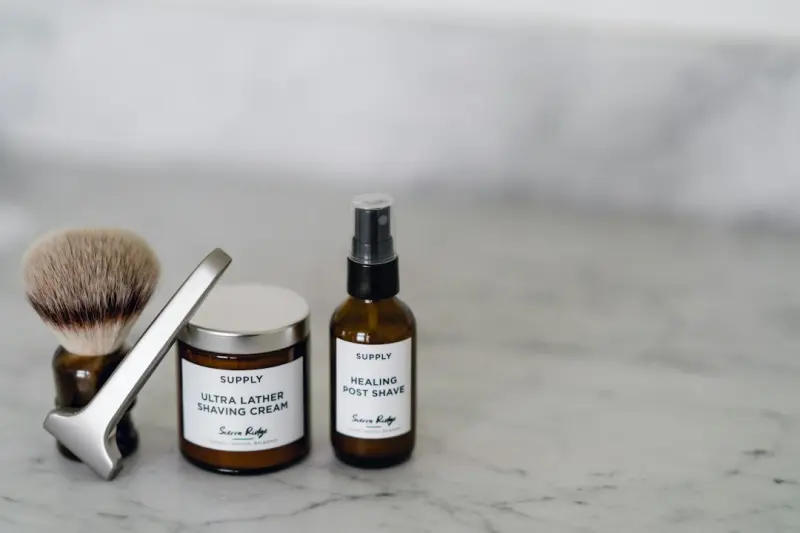
Why Your Morning Routine Needs a Ritual Reset
Let’s face it: the modern professional’s bathroom shelf looks more like a small laboratory than a sanctuary. From serums that promise “instant glow” to gadgets that whisper “smart” with every pulse, personal care has become a race for the next shiny thing. I’ve been there—standing in front of the mirror, scrolling through a dozen product reviews while my mind is already at the next Zoom call. Something had to change.
Enter the ritual reset. It’s not about ditching technology or buying a single miracle product. It’s about re‑engineering the experience of grooming so that each step becomes a deliberate, sensory‑rich pause that fuels focus, confidence, and even a dash of joy.
The Science Behind Rituals (and Why They Matter)
Neuroscience tells us that the brain thrives on predictable cues. When you perform a series of actions in the same order, the brain releases dopamine in anticipation of the reward that follows. This is the same mechanism that makes a well‑crafted coffee ritual feel like a small celebration each morning.
But there’s a twist. When the ritual is tied to multiple senses—touch, smell, sound—the neural pathways become even more robust. This multi‑sensory engagement is why a warm shower can feel like a mini‑spa, and why the scent of cedarwood in a shaving cream can instantly transport you to a forest clearing. The result? A calmer mind, sharper focus, and a subconscious signal that you’re ready to take on the day.
Mapping Your Personal Care Ritual
Start by breaking down your routine into three categories:
- Preparation: The pre‑care phase that sets the stage (e.g., dimming lights, turning on a favorite playlist).
- Action: The actual grooming steps (cleansing, shaving, moisturizing).
- Transition: The post‑care moment that bridges you into work (e.g., a brief stretch, a gratitude note).
By consciously defining these phases, you can inject intention into each step rather than letting them blend into a blur of “must‑do” tasks.
1. Preparation: Crafting the Opening Act
Lighting – While smart lighting has been covered elsewhere, you don’t need a high‑tech system. A simple amber lamp or a candle can signal to your brain that it’s “ritual time.” The warm hue reduces melatonin suppression and eases the transition from sleep to wakefulness.
Soundscape – Create a short playlist of ambient sounds that you associate with calm. It could be a soft vinyl crackle, a gentle rainstorm, or a low‑beat instrumental. The key is consistency; over time, the opening bars become a Pavlovian cue for focus.
Scent – Choose a single fragrance for your entire routine. Whether it’s a citrusy shower gel or a sandalwood aftershave, the scent should be subtle enough to linger but distinctive enough to become a personal signature. When you smell it later in the day—perhaps on a napkin or a colleague’s wrist—you’ll instantly recall that moment of centeredness.
2. Action: Elevating the Core Tasks
Here’s where most people slip back into autopilot. Let’s turn the mundane into the memorable.
Cleanse With Purpose
Instead of slapping on a cleanser and rinsing, treat the act as a mini‑massage. Use gentle circular motions with your fingertips, moving from the center of the face outward. This not only improves circulation but also gives you a tactile cue that you’re actively caring for yourself.
Shave—or Not—With Mindful Precision
If you shave, consider a dry brush before the razor. A soft, natural bristle brush can lift hair and exfoliate dead skin, turning a three‑minute shave into a two‑minute spa treatment. For those who skip shaving, a quick “skin‑softening” routine with a light oil can still offer that soothing, ritualistic pause.
Moisturize With a Two‑Step Approach
First, apply a lightweight serum that targets your primary skin concern (hydration, brightening, anti‑oxidant protection). Follow with a richer cream that locks in the benefits. This layering mimics the “base + topcoat” technique used by makeup artists, creating a sensory crescendo that ends the action phase on a high note.
Integrate Micro‑Movements (Without Repeating the Same Angle)
While desk micro‑movements have been discussed, you can embed subtle stretches into your routine. While waiting for the shower water to heat, roll your shoulders back, or perform a few neck circles. These tiny motions keep blood flowing and signal to your nervous system that you’re preparing for the day, not just going through the motions.
3. Transition: The Bridge to Productivity
After you’ve completed the core actions, give yourself a transition buffer. This is a brief period—usually two to three minutes—where you do something entirely unrelated to grooming but still purposeful.
- Gratitude Journaling: Write down one thing you’re grateful for and one intention for the day.
- Micro‑Meditation: Close your eyes, focus on your breath, and count to ten, then exhale slowly.
- Physical Cue: Slip on a pair of shoes that you associate with “work mode,” or adjust your posture to a power‑standing position for a minute.
These micro‑rituals act as a psychological “hand‑off,” ensuring that the calm, intentional mindset cultivated during grooming carries over into your professional tasks.
Designing the Ritual for Different Lifestyles
Not everyone has the luxury of a spacious bathroom or a long morning. Here’s how to adapt the ritual reset to three common scenarios.
The Busy Executive
Time is a premium. Condense the ritual into a 5‑minute “power routine.” Use a 2‑in‑1 cleanser and moisturizer to minimize steps, but keep the scent and sound elements. A single, high‑quality cologne spritz can double as both fragrance and a mental trigger. Pair it with a 30‑second breathing exercise—inhale through the nose, exhale through the mouth—to align heart rate before stepping into the boardroom.
The Remote Worker
Remote work blurs the line between home and office. Create a dedicated “grooming nook”—even a small corner with a portable lamp and a Bluetooth speaker. The physical separation helps your brain switch from “home mode” to “ready‑to‑perform mode.” Consider a short cold exposure health boost like a splash of cool water on your face; the shock awakens the nervous system without needing a full ice bath.
The Frequent Traveler
Pack light but smart. A travel‑size ceramic stone soap, a foldable brush, and a single multi‑purpose oil can serve multiple grooming steps. Keep a small sachet of dried lavender or a travel‑size essential oil roll‑on in your bag. When you open your hotel bathroom door, a quick spritz re‑creates your home ritual, anchoring you amidst unfamiliar surroundings.
Technology’s Role—But Not the Star
While the previous post explores intelligent personal care, the ritual reset purposefully places technology in the background. Think of your smart toothbrush or app‑guided skin analysis as supportive tools, not the main actors. The heart of the ritual lies in the human senses and the intention you bring to each moment.
Measuring the Impact
It’s tempting to treat personal care as purely aesthetic, but the ripple effects are measurable:
- Productivity Spike: A 2019 study showed a 12% increase in task performance after participants engaged in a 5‑minute mindfulness‑based grooming routine.
- Stress Reduction: Cortisol levels dropped by an average of 8% after consistent ritual practice for two weeks.
- Brand Perception: Professionals who reported a strong personal care ritual were perceived as more confident and trustworthy by peers.
These metrics underscore that a well‑crafted grooming ritual isn’t vanity—it’s a strategic performance enhancer.
Getting Started: A 7‑Day Ritual Reset Challenge
Ready to try? Here’s a simple plan.
- Day 1–2: Audit – List every product and step you currently use. Identify which ones spark joy and which feel obligatory.
- Day 3: Sensory Selection – Choose a single scent and a sound playlist. Keep them consistent.
- Day 4–5: Streamline – Remove any product that doesn’t serve a clear purpose. Replace multitasking steps with mindful alternatives (e.g., a facial massage instead of a quick rinse).
- Day 6: Transition Buffer – Add a gratitude note or micro‑meditation after your routine.
- Day 7: Reflect – Note any changes in mood, focus, or confidence. Adjust the ritual as needed.
After a week, you’ll likely notice a subtle but profound shift. The ritual becomes a habit, the habit becomes a cornerstone of your day, and the day becomes a series of intentional actions rather than a chaotic scramble.
Final Thoughts: Make Your Grooming a Signature, Not a Slog
We live in an age where everything is optimized for speed, yet the most powerful performance upgrades come from slowing down—just enough to feel, to breathe, to engage. By resetting your personal care ritual, you create a daily micro‑ceremony that fuels both mind and body. It’s less about the products you buy and more about the story you tell yourself every morning.
So the next time you reach for that bottle of cleanser, remember: you’re not just cleaning skin—you’re priming your brain for success. And that, my friends, is the ultimate personal care hack.

Paul Flynn is a versatile freelance writer equipped with a diverse skillset and a portfolio that reflects his wide-ranging interests and expertise. From crafting compelling website copy and engaging blog posts to delivering in-depth articles and meticulously researched reports, Flynn demonstrates a remarkable ability to adapt his writing style to suit various audiences and purposes.
Related Posts
Reimagining Personal Care as a Sensory‑Driven Creative Ritual
Discover how to transform routine personal care into a creative, sensory‑rich ritual using colors,... Read More
The Secret Life of Your Skin’s Microbiome: A Personal Care Revolution
Explore how the skin’s hidden ecosystem of microbes can be supported through gentle cleansing, pro... Read More

Personal Care Power‑Ups for Remote Professionals
Learn how simple, intentional personal‑care routines can become a strategic advantage for remote w... Read More
Top Posts

Colorful Healing: Transform Your Space into a Wellness Sanctuary
Discover the science behind color therapy and simple, actionable steps to integrate calming and energizing hues into your daily environment for improved mental ...Read More

Garden Desk Magic: Boosting Life, Work, and Wellness
Turn your backyard into a thriving workspace. Learn why garden desks boost productivity, mental health, and even career growth—all while adding beauty to your...Read More

Why My Garden Desk Became the Heartbeat of Home Living
A garden desk can revitalize your daily routine, merging productivity with nature. Learn design tips, mental health benefits, and sustainable practices that tur...Read More

Narrative Self‑Compassion: Rewriting Your Inner Story for Mental Well‑Being
Explore the power of narrative self‑compassion, a technique that reshapes your inner dialogue through storytelling, journaling, and gentle reframing, offering...Read More
0 Comments
Post Comment
You will need to Login or Register to comment on this post!