
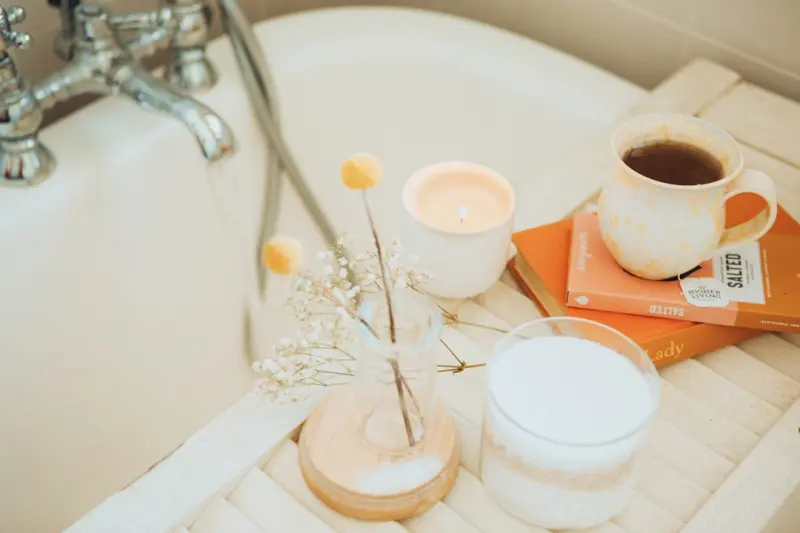
When I first stepped into the sleek, minimalist bathroom of a downtown coworking hub, I realized something: personal care isn’t just a ritual—it’s a data point, a feedback loop, and increasingly, an algorithm. I’ve spent the last decade navigating boardrooms, product roadmaps, and the occasional wellness retreat, and I’ve watched personal care evolve from a static list of “wash, shave, moisturize” to a dynamic system that reacts to stress, sleep, and even the ambient light in a room. This shift isn’t about adding more steps; it’s about letting the routine learn from you, and letting you reclaim agency in a world that constantly asks for more.
From Passive Products to Adaptive Experiences
Traditional personal care products are static: a bottle of shampoo, a bar of soap, a tube of toothpaste. They perform the same function day after day, regardless of whether you’re running a marathon, pulling an all‑night deadline, or simply enjoying a quiet weekend. The next generation, however, treats your skin, hair, and even your mood as variables in an equation. Imagine a cleanser that adjusts its pH based on the acidity of your skin that morning, or a moisturizer that releases a burst of antioxidants when it detects oxidative stress markers from a wearable device.
These “adaptive” products are powered by three core technologies:
- Smart Sensors: Tiny, flexible patches or embedded micro‑chips that monitor hydration levels, sebum production, and even ambient humidity.
- AI‑Driven Formulation Engines: Cloud‑based algorithms that interpret sensor data and suggest the optimal blend of actives in real time.
- Modular Delivery Systems: Refillable cartridges or “beauty pods” that can be mixed on demand, eliminating the need for a shelf full of single‑purpose bottles.
When these components converge, the result is a personal care routine that feels less like a chore and more like a conversation with your body.
The Role of Wearables in Shaping Your Routine
Wearable technology has already reshaped fitness and sleep tracking; it’s now poised to become the central hub for personal care intelligence. A sleek wristband can already detect skin temperature, sweat composition, and UV exposure. By integrating that data with a smartphone app, you receive personalized prompts: “Your skin is dehydrated—apply a hyaluronic‑rich serum now,” or “You’ve been exposed to high UV levels; reapply SPF 50.”
What’s compelling about this approach is its contextual awareness. If you’re traveling across time zones, the device will factor in jet lag‑induced cortisol spikes, recommending calming aromatherapy or a soothing eye mask. If you’re in a high‑pollution urban environment, it may suggest antioxidant‑heavy cleansers to combat free radicals. The routine becomes fluid, responsive, and—most importantly—aligned with your immediate needs.
Designing for Sustainability: The Circular Personal Care Model
Adaptive technology would be a gimmick if it didn’t solve a deeper problem: waste. The beauty industry is notorious for single‑use packaging, and the average consumer discards dozens of plastic containers each year. By shifting to a modular, refill‑centric model, brands can drastically reduce their environmental footprint.
Here’s how it works:
- Base Units: Durable, aesthetically pleasing containers that house the sensor and delivery system.
- Refill Pods: Biodegradable or compostable capsules containing the active ingredients. Users swap pods as needed, keeping the base unit for life.
- Take‑Back Programs: Brands incentivize customers to return empty pods for recycling or upcycling, creating a closed‑loop system.
This approach not only cuts plastic waste but also encourages consumers to think about product efficacy rather than brand loyalty—because the same base can hold a serum for oily skin today and a brightening cream tomorrow.
Mindful Integration: When Technology Meets Ritual
Some skeptics argue that adding sensors and AI to a daily ritual will strip away the meditative aspects of personal care. I disagree. In fact, the data can enhance mindfulness by turning invisible signals into tangible actions. When you receive a gentle vibration reminding you to pause and breathe before applying a night cream, you’re creating a micro‑ritual that bridges the gap between technology and tradition.
Consider the simple act of a warm facial steam. Traditionally, it’s a sensory indulgence. With a smart steamer, you can set the temperature based on the skin’s current hydration level, ensuring you’re not over‑steaming (which can damage the skin barrier). The result is a more efficient, purposeful ritual that still feels luxurious.
Bridging the Gap: Real‑World Examples
Several forward‑thinking startups are already experimenting with these concepts. One brand offers a “smart cleanser” that syncs with a phone app to adjust its surfactant blend based on real‑time oil measurements. Another company has launched a “dynamic serum” that uses magnetic cartridges to mix vitamin C, niacinamide, and peptides on demand, delivering the exact concentration your skin needs at that moment.
These products are still early in their lifecycle, but the feedback loops they create are already reshaping consumer expectations. People no longer want “one size fits all”; they demand “fit to you, today.”
How to Begin Your Adaptive Personal Care Journey
If you’re intrigued but hesitant, start small. Here are three practical steps you can take right now:
- Adopt a Sensor‑Enabled Skincare App: Many mainstream apps now offer skin analysis through a simple selfie. Use the insights to adjust product choice.
- Switch to Refillable Packaging: Look for brands that offer refill pods or concentrate formulas. This reduces waste and prepares you for modular systems.
- Integrate Ambient Data: Pay attention to your environment—humidity, temperature, and light—and tweak your routine accordingly. For a deeper dive into how environment influences wellness, check out the science of intentional daydreaming for tips on creating calming mental spaces.
As you experiment, you’ll notice patterns: certain ingredients work better on stressful days, while others shine after a workout. Over time, you’ll build a personal database of what your body responds to, effectively becoming your own “beauty data scientist.”
Potential Pitfalls and How to Navigate Them
With any emerging technology, there are risks. Data privacy is paramount; ensure any device you use encrypts skin metrics and offers transparent data policies. Also, avoid over‑reliance on alerts—personal intuition remains a powerful guide. Finally, remember that not every skin concern can be solved with algorithms; occasional professional consultations are still essential.
By staying informed, you can harness the benefits without surrendering control.
Looking Ahead: The Future of Personal Care is Personal
We’re standing at the intersection of biology, data, and design. The next wave of personal care won’t be about “more products”; it’ll be about smarter, more sustainable experiences that respect both your body and the planet. Whether you’re a busy executive, a creative freelancer, or anyone in between, the tools are emerging to help you listen to your skin the way you listen to your calendar—intently, responsibly, and with an eye toward continual improvement.
If you’re curious about how other lifestyle tweaks can boost your overall wellbeing, you might find cold exposure benefits an intriguing complement to an adaptive skincare routine. Pairing a temperature‑controlled shower with a smart moisturizer can amplify circulation and enhance product absorption, creating a synergy that feels almost futuristic.
In the end, personal care is returning to its roots: a moment of self‑connection. The technology we’re adding is simply a mirror, reflecting back what we already know deep down—our bodies crave attention, balance, and respect. By letting our routines learn from us, we finally give that respect back.

Dale Peterson is a freelance writer with a passion for technology, travel, law and personal finance. With 10 years of experience crafting compelling and informative content, he's dedicated to delivering high-quality writing for Blogging Fusion that engages audiences and achieves specific goals.
Related Posts

Soundscapes for Self‑Care: How Auditory Design Elevates Your Routine
Explore the untapped power of sound in personal care. Learn to build a personal sound library, integ... Read More

Touch Therapy: How Everyday Self‑Massage Can Supercharge Your Personal Care
Learn to integrate quick self‑massage techniques into your daily routine, using touch to improve c... Read More

Temperature‑Tuned Grooming: How Warm and Cool Water Can Elevate Your Daily Routine
A deep dive into the science of warm and cool water in grooming, offering practical experiments, tec... Read More
Top Posts

The Art of Mental Maintenance: Routine Check‑Ins Over Crisis Mode
A practical guide to shifting from reactive crisis management to proactive mental maintenance, using simple daily check‑ins, movement breaks, sleep hygiene, a...Read More

Why My Garden Desk Became the Ultimate Career Boost
I turned my backyard into a garden desk sanctuary and saw my work performance soar. Here’s how outdoor workspaces are reshaping employment and why you should ...Read More
Temperature‑Tuned Grooming: How Warm and Cool Water Can Elevate Your Daily Routine
A deep dive into the science of warm and cool water in grooming, offering practical experiments, tech tools, and measurable benefits to transform your daily per...Read More
Rethinking Personal Care: The Quiet Power of Breath‑Synchronized Grooming
Learn how pairing each grooming step with mindful breathing transforms personal care into a calming, effective ritual that benefits both skin and mind....Read More
0 Comments
Post Comment
You will need to Login or Register to comment on this post!