
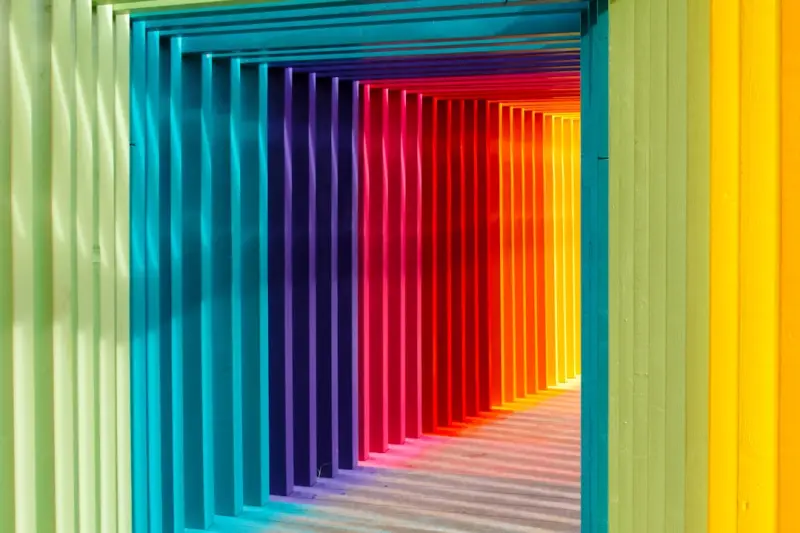
When I was a child, I spent hours watching my mother rearrange the kitchen cabinets, swapping a bright lemon‑yellow for a calming sea‑foam green. I never realized then that she was curating a silent, visual therapy for our family. Today, as a health‑focused writer, I’m convinced that the colors that surround us do far more than please the eye—they can shift our hormones, sharpen our focus, and even bolster our immune defenses.
The Science Behind the Spectrum
Decades of research in chromotherapy—a term that sounds like a vintage spa treatment but actually sits at the intersection of neuroscience, endocrinology, and environmental psychology—shows that light wavelengths interact with our retinal cells, sending signals to the brain’s suprachiasmatic nucleus (SCN). The SCN, often called the body’s master clock, regulates melatonin production, cortisol release, and even the timing of immune responses.
Blue light, for instance, is a double‑edged sword. In the morning, exposure to cool blue tones helps suppress melatonin, nudging us into alertness and improving cognitive performance. However, the same hue lingering in the evening can sabotage sleep, keeping cortisol high and hampering the body’s natural repair processes.
Warm hues like amber, soft orange, or muted reds have the opposite effect. They cue the SCN to increase melatonin, facilitating a smoother transition into rest. Moreover, these colors have been linked to lower heart rate and reduced blood pressure, offering a physiological “slow‑down” cue.
Beyond the clock, certain colors influence the limbic system, the brain’s emotional hub. Green, the color of foliage, has been shown to decrease anxiety and improve attention span, likely because it mirrors the visual signature of natural environments—a phenomenon known as “biophilic response.”
Designing a Color‑Based Wellness Routine
Integrating color into daily life doesn’t require a complete home makeover. Small, intentional shifts can create a cascading effect on mood and health.
- Morning Boost: Replace harsh white LED bulbs in your kitchen or bathroom with a gentle cool‑white or soft blue light. This subtle shift can amplify morning alertness without the jarring glare of typical fluorescents.
- Midday Calm: If you work from a home office, introduce a muted green accent wall or a few leafy plants in green pots. The visual cue of green can lower cortisol and sustain focus during long stretches of screen time.
- Evening Wind‑Down: Swap your bedroom’s bright white bulbs for amber or warm‑tinted lamps. Consider a bedside lamp that emits a low‑intensity reddish hue, signaling your brain that it’s time to start winding down.
- Weekly Reset: Dedicate a “color day” where you dress in a hue that reflects your intention—blue for productivity, green for grounding, orange for creativity. The act of dressing deliberately can reinforce the psychological impact of the color.
While these tips are simple, they align with broader health principles. For instance, pairing a green visual environment with proper indoor air quality can amplify the calming effect. If you’re interested in a holistic approach, check out Breathe Better at Home for actionable ways to improve the air you breathe while you redesign your space.
Color, Nutrition, and the Immune System
Our relationship with color doesn’t stop at walls and lights—it extends to the food on our plates. The pigments that give fruits and vegetables their vibrant hues—anthocyanins in blueberries, beta‑carotene in carrots, chlorophyll in leafy greens—are powerful antioxidants. Consuming a rainbow diet provides phytochemicals that modulate inflammatory pathways and support immune resilience.
Here’s a quick guide to pairing visual and nutritional color therapy:
- Red (tomatoes, beets): Boosts circulation and supports heart health.
- Orange (sweet potatoes, mangoes): Rich in vitamin C and beta‑carotene, enhancing skin barrier function.
- Yellow (bananas, pineapples): Supplies potassium and bromelain, aiding digestion.
- Green (spinach, broccoli): Packed with folate and chlorophyll, supporting detoxification.
- Blue/Purple (eggplant, grapes): High in anthocyanins, protecting cells from oxidative stress.
When you align the colors you eat with the colors you live in, you create a feedback loop that reinforces both visual comfort and biochemical health.
Mindful Color Practices for Mental Well‑Being
Beyond the physiological, color can serve as a mindfulness anchor. I’ve adopted a simple practice I call “Hue Journaling.” Each evening, I select a color that dominated my day—whether it was the blue of a rainy sky, the green of a park bench, or the soft pink of a sunset. I then spend five minutes sketching or writing about how that hue made me feel.
This ritual has two benefits:
- Emotional Identification: Naming the color helps pinpoint the associated emotion, making it easier to process.
- Visual Re‑encoding: By actively recalling the hue, you strengthen neural pathways that link visual stimuli to emotional regulation.
For those who thrive on structured self‑care, you might find the framework presented in Sensing Your Way to Better Self‑Care a useful companion to deepen this practice.
Movement Meets Color: A Dynamic Duo
Physical activity and color can intersect in surprisingly effective ways. A growing trend among fitness enthusiasts involves wearing clothing or using equipment in specific hues to trigger desired physiological responses. For example, wearing bright orange or red during high‑intensity interval training (HIIT) can boost perceived energy levels, while softer blues or lavenders during yoga or stretching sessions promote relaxation.
Moreover, studios are experimenting with ambient lighting that shifts in sync with workout phases—cool blues for warm‑up, vibrant reds for peak effort, and gentle greens for cool‑down. This chromatic choreography can enhance performance, reduce perceived exertion, and improve post‑exercise recovery.
If you’re curious about the role of micro‑movements in wellness, the post on Micro‑Movements offers insight into how tiny, purposeful actions can compound into substantial health gains—pair them with color cues for an added boost.
Creating a Personalized Color Wellness Plan
Every individual’s response to color is nuanced, shaped by cultural background, personal experiences, and even genetics. To craft a plan that truly resonates, follow these steps:
- Assessment: Spend a week noting which colors you naturally gravitate toward and how they affect your mood. Use a simple log: “Monday – blue office walls – felt focused; Evening – pink bedroom lamp – felt relaxed.”
- Experimentation: Introduce one color change at a time. Swap a pillow cover, adjust a lamp hue, or add a piece of artwork. Observe any shifts in energy, sleep quality, or stress levels.
- Integration: Once you identify beneficial colors, weave them into multiple touchpoints—clothing, meals, décor, and digital device themes.
- Evaluation: After a month, review your logs. Have you noticed measurable changes in sleep latency, heart rate variability, or mood surveys? Adjust as needed.
Remember, the goal isn’t to create a sterile, monochrome environment but to curate a palette that supports your unique rhythm.
Potential Pitfalls and How to Avoid Them
While color therapy offers many benefits, there are common missteps:
- Over‑Stimulation: Flooding a space with intense reds or bright whites can increase anxiety. Balance bold accents with neutral backgrounds.
- Neglecting Light Quality: Natural daylight is the gold standard. If possible, position workspaces near windows and supplement with full‑spectrum bulbs.
- Ignoring Personal Preference: If a color feels “wrong” for you, its physiological benefits won’t outweigh the psychological discomfort.
By staying attuned to your own reactions, you can fine‑tune the environment to serve you, not the other way around.
Looking Ahead: The Future of Color‑Centric Health
Emerging technologies are poised to make color‑based health interventions more precise. Smart lighting systems can now adjust hue and intensity based on biometric feedback—measuring heart rate, skin temperature, and even brainwave activity. Imagine a bedroom that gradually transitions from cool blue to warm amber as your sleep cycle deepens, or a home office that shifts to soothing green during stressful periods detected by a wearable.
These innovations echo a broader shift toward “environmental personalization,” where our surroundings adapt to us in real time. As the science evolves, we’ll likely see integrations with mental health platforms, offering users tailored color palettes based on mood tracking apps.
Take the First Step Today
Start small. Choose a single item—a cushion, a lamp, or a piece of artwork—and swap its color to align with the mood you wish to cultivate. Pair this with a mindful pause, breathing in the hue, and notice how your body responds. Over time, expand this practice, and you’ll find that color becomes a silent yet powerful ally in your health journey.
In the tapestry of wellness, color is the thread that ties together environment, nutrition, movement, and mind. By weaving it consciously, you can transform ordinary spaces into vibrant sanctuaries that nurture body, mind, and spirit.

Mei Chen is a dynamic professional who brings a unique blend of skills to Blogging Fusion. As a key contributor to the Blogging Fusion platform, she leverages her writing expertise to create engaging content that resonates with our audience.
Related Posts

Personalized Nutrition: Decoding Your DNA for a Healthier You
Discover how genetic testing can transform your eating habits. Learn to interpret DNA reports, make ... Read More
Light‑Infused Living: How Sunlit Spaces Elevate Your Health
Natural light isn’t just a design trend—it’s a powerful health tool. Explore the science behin... Read More
Mindful Eating: A Simple Path to Better Health
Explore the power of mindful eating—a science‑backed practice that balances hormones, steadies b... Read More
Top Posts
Reimagining Personal Care: Tech, Ritual, and Sustainability
A deep dive into the evolving world of personal care, blending smart wearables, micro‑habits, sensory cues, sustainable formulations, and future trends for a ...Read More

Breath, Balance, and the Brain: Redefining Stress Relief in a Hyper‑Connected World
Learn the science behind breathwork, practical techniques, and how to integrate mindful breathing into daily routines to combat stress and improve overall healt...Read More
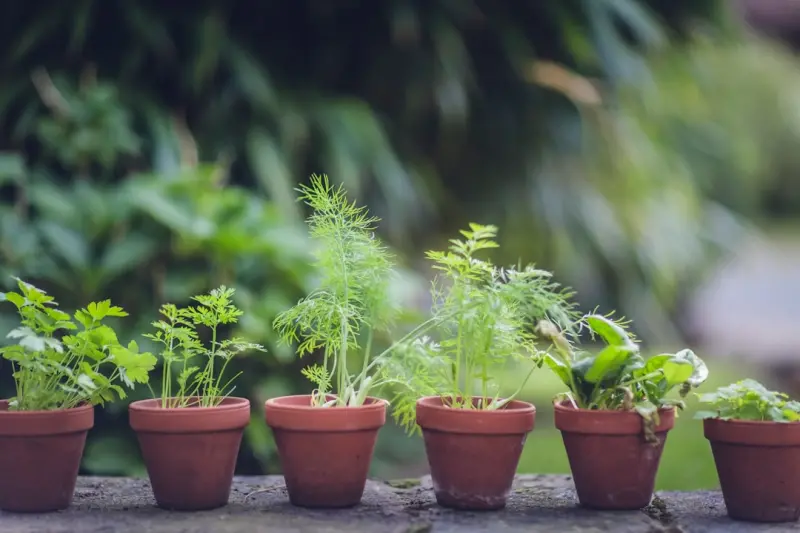
Cultivating a Healing Herb Garden for Home Wellness
Turn your backyard into a soothing sanctuary with a DIY healing herb garden—perfect for culinary delights, aromatherapy, and daily mindfulness, all while stay...Read More

How a Garden Desk Transforms Home Life and Boosts Well‑Being
A garden desk isn’t just furniture—it’s a sanctuary that blends work, wellness, and family life, turning any backyard into a thriving, productive haven....Read More
0 Comments
Post Comment
You will need to Login or Register to comment on this post!