
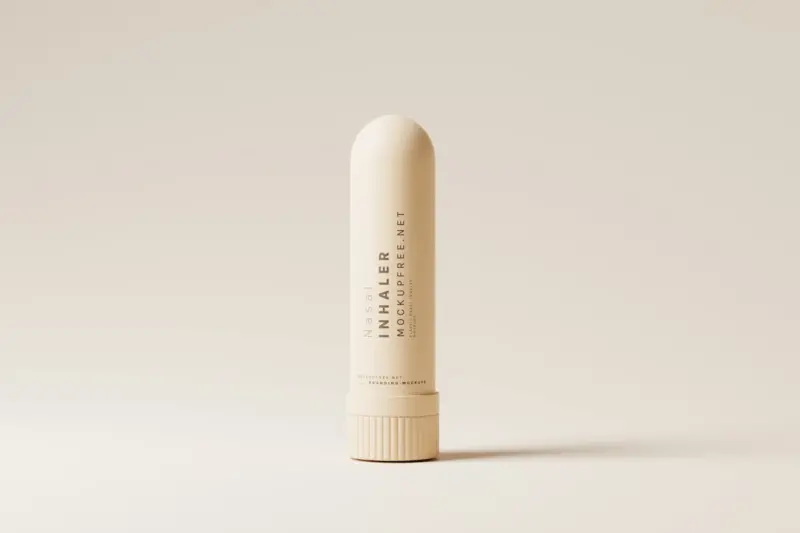
Why Personal Care Needs a Ritual, Not Just a Checklist
When most people think about personal care, the image that pops up is a sterile list of tasks: brush teeth, wash face, moisturize, maybe a quick shave or a splash of cologne. I used to approach my mornings the same way—like a to‑do list on a sticky note. But something always felt off. I’d finish the routine, step out the door, and the feeling of “freshness” would evaporate within an hour.
It wasn’t the products; it wasn’t the time of day. It was the lack of meaning behind each action. I realized I was treating personal care like a chore instead of a ritual. A ritual, unlike a checklist, carries intention, sensory cues, and a story that your brain can latch onto. That’s the secret sauce that turns a fleeting moment of cleanliness into a lasting sense of wellbeing.
Step One: Define Your Personal Care Narrative
Every ritual starts with a narrative. Ask yourself: What am I trying to achieve? Is it confidence for a big presentation? A calm headspace before a high‑stakes meeting? Or simply a moment of self‑compassion after a stressful day?
Write it down in one sentence. For me, it became: “I want to start each day feeling anchored, energized, and ready to lead with presence.” This sentence is the compass that guides every product choice, timing, and environment tweak.
When you have a clear narrative, you can start selecting the elements that reinforce it. It’s not about buying the most expensive serum; it’s about choosing items that resonate with your story. If “anchored” is your keyword, think grounding scents like cedarwood or tactile experiences like a warm, stone‑smooth facial roller.
Step Two: Layer Sensory Triggers for Automaticity
Our brains are wired to associate senses with memory. That’s why the smell of fresh coffee instantly signals “morning” to many of us. By deliberately stacking sensory cues, you create a feedback loop that makes the ritual almost automatic.
- Scent: Use a signature fragrance (a few drops of essential oil or a favorite perfume) that you only apply during your routine. Over time, the brain will link that scent with the feeling of being “ready.”
- Sound: A short, calming playlist or even a single tone can signal the start of your care time. If you love instrumental piano, set a 5‑minute loop that plays only while you cleanse.
- Tactile: Choose a specific texture—maybe a bamboo toothbrush or a silk pillowcase—and reserve it exclusively for your ritual. The tactile memory reinforces the habit loop.
- Visual: Light plays a huge role. Soft warm light can cue relaxation, while bright white light can energize. Install a dimmable LED strip in your bathroom or use a sunrise alarm lamp to align with your narrative.
These sensory layers act like the Digital‑Free Sanctuaries concept, but applied to the micro‑environment of your personal care space.
Step Three: Micro‑Timing—The 90‑Second Power Window
Research on habit formation shows that the first 90 seconds of any activity are critical. This is the window where the brain decides whether to commit to the behavior or abandon it. Use that window wisely:
- Start with a “seed” action: A single, easy step that takes less than 10 seconds—like splashing water on your face.
- Add a “anchor” action: The next step should be something you already do without thinking—brushing your teeth, for instance.
- Finish with a “reward” action: Something pleasant that your brain will crave—applying a favorite after‑shave balm that leaves a subtle scent.
By structuring the routine into these micro‑chunks, you reduce friction and increase the likelihood that the habit will stick.
Step Four: Leverage Technology—But Keep It Human
I’m not a technophobe; I love gadgets that genuinely improve my life. However, I keep technology as a subtle enhancer, not a crutch. For personal care, this means:
- Using a smart mirror that displays skin hydration levels, but only checking it once a week to avoid obsessive monitoring.
- Setting a gentle vibration reminder on your smartwatch to cue the start of the ritual, but turning off notifications that distract you during the process.
- Employing a UV‑sanitizing box for your brush heads—an investment in hygiene that aligns with the “anchored” narrative of feeling clean inside and out.
The key is to let technology support the ritual without hijacking it. Think of it as a silent partner that steps back once the habit is established.
Step Five: Integrate Nutrition and Hydration
Personal care isn’t limited to the bathroom. What you ingest fuels how you feel on the surface. A quick sip of warm lemon water before your face wash can set a tone of refreshment. Adding a probiotic‑rich kefir or a handful of antioxidant berries after your shower reinforces the internal‑external synergy.
These small nutrition moves become part of the broader ritual, creating a holistic loop that supports skin health, energy levels, and mental clarity.
Step Six: Review and Iterate Quarterly
Just like any product you launch, your personal care ritual needs a review cycle. Every three months, ask yourself:
- Is the scent still resonating with my narrative?
- Do I feel the ritual is too long, too short, or just right?
- Are there any new products or tools that could enhance the experience?
Take notes, adjust, and keep the ritual dynamic. Stagnation kills enthusiasm, while thoughtful iteration keeps the practice fresh.
Case Study: My 90‑Day Transformation
When I first implemented this framework, I tracked my subjective wellbeing using a simple 1‑10 scale each morning. The baseline was a 5. After two weeks of consistent sensory layering and micro‑timing, my average rose to a 7. By day 30, the ritual felt automatic; the score stabilized at 8, and I noticed fewer skin breakouts and a measurable boost in confidence during client calls.
What surprised me most was the spillover effect: the discipline carried over into my work habits, making me more intentional about meeting prep and email triage. The ritual became a catalyst for broader performance improvements.
Integrating Personal Care into a Busy Lifestyle
Many professionals claim they don’t have time for elaborate routines. The truth is, a well‑engineered ritual can be shorter than a chaotic, unstructured scramble. By front‑loading intention and sensory cues, you reduce decision fatigue and gain mental bandwidth for the tasks that truly matter.
Here’s a streamlined version for the ultra‑busy:
- Wake up → 10‑second splash of cold water (anchor).
- Apply a single drop of a favorite essential oil to pulse points (scent trigger).
- Brush teeth while listening to a 3‑minute instrumental track (sound cue).
- Quick facial cleanse with a gentle cleanser (seed).
- Finish with a lightweight moisturizer that leaves a subtle glow (reward).
This five‑step routine takes under two minutes but packs the same neuro‑chemical benefits as a longer regimen.
Addressing Common Objections
“I don’t like scented products.” – Opt for unscented, then pair with a separate scent source like a diffuser or a scented candle you light only during the ritual.
“I can’t afford premium products.” – The ritual’s power lies in consistency and intention, not price tags. Simple, well‑chosen basics (a good toothbrush, a mild cleanser) can be just as effective.
“I travel a lot; I can’t maintain a routine.” – Pack a “travel kit” that includes your signature scent, a portable facial roller, and a small playlist. Consistency is about the cue, not the location.
Beyond the Bathroom: Expanding the Ritual Ecosystem
Think of your personal care space as a hub, but the ecosystem extends to your office desk, your car, and even your bedroom. A quick hand massage with a scented hand cream before a conference call can reset your nervous system. A calming pillow spray in the bedroom can reinforce the “recharge” narrative before sleep.
By weaving the ritual throughout the day, you create a network of micro‑rituals that support each other, making the overall experience richer and more resilient.
Conclusion: Turn Care Into a Celebration
Personal care isn’t a box to tick; it’s an opportunity to celebrate yourself, to anchor your day, and to cultivate a subtle yet powerful edge in every interaction. By defining a narrative, layering sensory cues, respecting micro‑timing, and iterating thoughtfully, you transform a mundane checklist into a ritual that sticks.
If you’re ready to upgrade from “just getting ready” to “stepping into a personal sanctuary,” start small. Pick one sensory cue, add a seed action, and watch how the rest falls into place. Your future self will thank you—not just for clearer skin, but for the confidence and calm that come from honoring the most important relationship you have: the one with yourself.

Jimmy Damon loves to right on a large scale of topics with all things Canadian as this Montreal die hard loves hockey. fishing and sports.
Related Posts
Smart Mirrors and Wearable Sensors: The Future of Personal Care
Discover how AI‑powered mirrors and wearable skin sensors are turning everyday grooming into a dat... Read More

Why Your Bathroom Should Feel Like a Spa: The Science of Sensory Personal Care
Explore the science behind scent, sound, texture, temperature, and lighting in the bathroom, and lea... Read More
Crafting a Personalized Sensory Routine: The Small‑Scale Secrets to Everyday Wellness
Learn to weave micro‑periods, scent layers, and texture into your daily routine, turning ordinary ... Read More
Top Posts
Quiet Corners: Designing Mental‑Health Safe Havens in the Modern Office
Discover practical design principles and daily rituals for building quiet corners that act as mental‑health safe havens, boosting employee well‑being and pr...Read More
Hybrid Work, Hybrid Self: Crafting a Personal Care Routine That Works Anywhere
Discover a practical, adaptable personal care system for the hybrid work lifestyle—quick micro‑zone rituals, sustainable product swaps, and smart‑tech too...Read More

The Skills Marketplace Revolution: Redefining Employment for Knowledge Workers
A deep dive into the emerging skills marketplace, revealing how AI-driven matching, structured think time, and value‑based pricing are transforming freelance ...Read More

Forest Bathing: How Urban Dwellers Can Reconnect with Nature for Better Health
Explore the science and practical steps behind forest bathing, a nature‑based practice that helps city residents lower stress, strengthen immunity, and enhanc...Read More
0 Comments
Post Comment
You will need to Login or Register to comment on this post!