
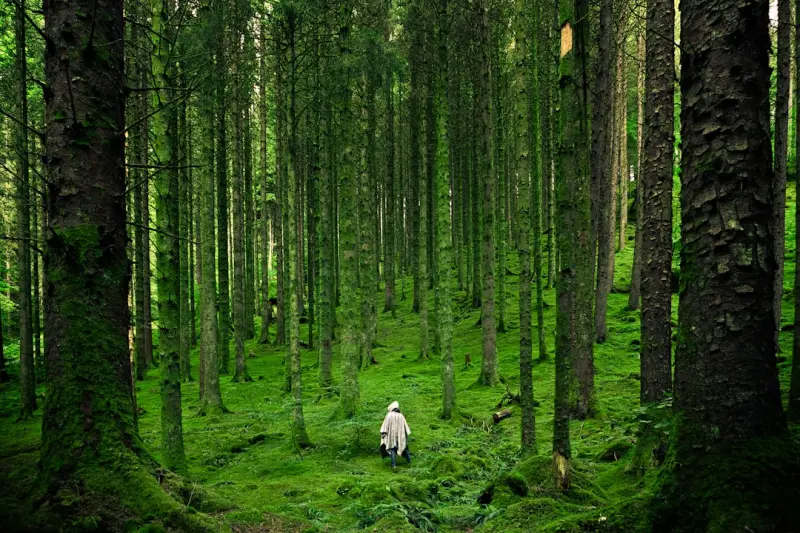
Why I’m Trading My Desk for a Tree
For the past decade I’ve built my career around data, deadlines, and digital dashboards. I love the hum of a well‑tuned workflow, the satisfaction of a clean inbox, and the quiet confidence that comes from a well‑organized calendar. But somewhere between the 9‑to‑5 grind and the endless scroll of metrics, I felt a subtle shift—a lingering fatigue that no amount of caffeine could chase away. It wasn’t just physical; it was a quiet disconnection from something I could barely name.
That something turned out to be the natural world. Not the grand, untouched wilderness you see in travel magazines, but the modest green pockets that sit between office buildings, the city park benches, the rooftop gardens that sprout on corporate roofs. I discovered that stepping into these micro‑forests does more than just give me a break; it rewires my nervous system, sharpens my focus, and, surprisingly, improves my overall health in ways my spreadsheet never could.
The Science Behind “Forest Bathing” (And Why It’s Not Just a Trend)
In Japanese, shinrin‑yoku translates to “forest bathing”—a practice that encourages immersive, mindful interaction with trees, foliage, and natural sounds. Researchers have documented measurable benefits: lower cortisol levels, reduced blood pressure, enhanced immune function, and a boost in natural killer cell activity. What’s fascinating is that these changes happen after as little as 15 minutes of intentional exposure to greenery.
Unlike the “desk movement bursts” that have become popular in wellness circles, forest bathing doesn’t rely on repetitive motion or structured exercise. It’s about presence. It’s about allowing your senses to absorb the subtle aromas of pine, the rustle of leaves, the dappled sunlight on your skin. The body’s parasympathetic nervous system activates, signaling a shift from “fight‑or‑flight” to “rest‑and‑digest.” This physiological transition can translate into clearer thinking, better decision‑making, and a more resilient immune response—all crucial for anyone juggling a demanding professional life.
How to Integrate Green Time Into a Busy Schedule
Living in a bustling city can feel like trying to find a quiet coffee shop at rush hour—sometimes it seems impossible. Yet, integrating nature doesn’t require a weekend retreat. Below are practical ways to make green time a non‑negotiable part of your routine.
- Morning Micro‑Walks: Set a timer for ten minutes before you start your workday. Walk to the nearest park, a tree‑lined street, or even a rooftop garden. Use this time to breathe deliberately, observe the colors around you, and let your mind settle.
- Lunch‑Break Nature Pods: If your office building has a courtyard or a planters area, claim it as your temporary sanctuary. Eat your lunch outdoors whenever possible; the change in environment can aid digestion and improve mood.
- Digital‑Free Walking Meetings: Replace the traditional conference room with a walking meeting in a nearby green space. The movement keeps blood flowing, while the natural backdrop encourages creativity.
- Desk‑Side Plant Therapy: Even a small potted plant on your desk can lower stress levels. Choose low‑maintenance varieties like succulents, pothos, or a tiny fiddle‑leaf fig to bring a touch of nature to your workspace.
- Weekend “Forest” Field Trips: Dedicate at least one half‑day a month to explore a local park, arboretum, or nature reserve. Treat it like a professional development activity—bring a notebook, observe, and reflect on how you feel before and after.
These habits aren’t about adding more tasks; they’re about reframing existing moments. The key is consistency—just as you wouldn’t skip a meeting that’s essential to a project, treat your green time as a critical health appointment.
Synergizing Green Time With Other Health Hacks
Green exposure works best when paired with complementary wellness practices. Below are a few low‑effort pairings that amplify the benefits of forest bathing.
Hydration Meets Nature
When I first started spending more time outdoors, I noticed I was drinking less water simply because I was distracted by the beauty around me. That’s when I discovered personalized hydration. By using a smart bottle that tracks your intake and adjusts recommendations based on activity level, temperature, and even sweat loss, I could stay optimally hydrated without thinking about it. Proper hydration, in turn, supports the body’s natural detox pathways that are also activated during forest bathing.
Skin Health in the Open Air
Sunlight, fresh air, and a gentle breeze can be a boon for the skin—provided you protect it. I’ve started using a light, mineral‑based sunscreen that allows the skin to breathe while still guarding against harmful UV rays. For those interested in a data‑driven approach to skin care, check out the insights from beyond the mirror. Understanding your skin’s baseline and how it reacts to environmental factors can help you tailor a routine that supports the rejuvenating effects of natural exposure.
Mindful Breathing Without a Formal Practice
One of the most subtle ways nature boosts health is by naturally encouraging deeper, slower breaths. When you’re surrounded by trees, the air feels cooler and the rhythm of wind through leaves invites you to inhale more fully. While many articles champion structured breathwork, you can simply practice “ambient breathing”—focus on the sound of rustling leaves and match your breath to it. This informal method can lower heart rate variability and improve mental clarity.
Overcoming Common Barriers
Even with a clear plan, obstacles arise. Here’s how I navigate the typical challenges.
“I Don’t Have Time”
Time scarcity is a mental construct as much as a logistical one. If you schedule a 10‑minute green break into your calendar and treat it like any other meeting, you’ll find the time appears. Think of it as an investment that yields a higher ROI in productivity later.
“I’m Not Near a Park”
Urban environments are often more green than they appear. Look for hidden courtyards, community gardens, or even tree‑lined streets. Many cities now map “green corridors” that connect pockets of foliage—use these routes for walking meetings.
“The Weather Isn’t Favorable”
Rain or heat can be deterrents, but they also offer unique sensory experiences. A drizzle can amplify the scent of earth (petrichor), while a sunny day encourages Vitamin D synthesis. Dress appropriately and you’ll still reap benefits.
“I’m Worried About Safety”
Choose well‑lit, populated areas. If you’re venturing into less familiar terrain, go with a colleague or a small group. Safety and comfort are essential for genuine relaxation.
Measuring the Impact: Simple Metrics That Matter
You might wonder, “How do I know this actually works?” Below are three low‑tech metrics you can track without a lab.
- Energy Levels: Rate your morning energy on a 1‑10 scale before and after a week of regular green exposure.
- Focus Duration: Use a timer to log how long you can work uninterrupted. Many report a 15‑20% increase after consistent nature breaks.
- Stress Rating: After a stressful meeting, note your stress level. Then, after a 10‑minute walk among trees, re‑rate. The difference can be striking.
Over time, these simple observations become compelling evidence that nature isn’t a luxury—it’s a functional health tool.
From Personal Insight to Organizational Culture
What started as a personal experiment soon spilled over into my team’s culture. I began inviting colleagues to join me for “green huddles” during lunch. The result? Higher morale, more spontaneous brainstorming, and a noticeable dip in the usual afternoon slump. When leaders model this behavior, it signals that wellness is a strategic priority, not just an individual pursuit.
Even without a formal program, encouraging staff to step outside can reduce burnout and improve retention. Think of it as a low‑cost, high‑impact perk—one that aligns with the broader shift toward holistic employee health.
Future Directions: Tech Meets Trees
While the core of forest bathing is unplugged immersion, technology can still play a supportive role. Wearables that monitor heart rate variability (HRV) can confirm the physiological shift you feel when you’re among trees. Mobile apps that map nearby green spaces can help you discover new spots, and community platforms can organize group outings. The goal isn’t to digitize the experience, but to use tech as a guide that brings you back to the analog world.
Final Thoughts: Make the Green Your New Normal
In a world that constantly pushes for more screens, more data, more hustle, the most radical act you can take is to pause and breathe in the scent of fresh leaves. It’s not a fleeting trend; it’s a timeless strategy backed by science and personal testimony. By weaving intentional nature time into our daily rhythms, we create a foundation for stronger health, sharper minds, and a more resilient professional life.
So, the next time you feel the pull of the inbox, remember that a short walk under a canopy of trees might be the most productive thing you do all day.

Amanda is a passionate writer exploring a kaleidoscope of topics from lifestyle to travel and everything in between.
Related Posts

Laughter as Medicine: Boosting Immunity, Mood, and Productivity
Laughter isn’t just a feel‑good moment; it’s a scientifically backed health booster that lower... Read More

Tiny Bursts, Big Gains: Harnessing Micro‑Movement for Everyday Health
Learn how adding brief, purposeful movements to daily routines can transform energy, focus, and well... Read More

Sleep Smarter: Night‑time Strategies for a Sharper Day
A practical guide to mastering sleep through light management, breathwork, consistent rituals, and a... Read More
Top Posts

Seasonal Sensory Switch‑Ups: Refresh Your Home’s Mood Every Few Months
Learn simple, sustainable ways to align your home’s lighting, fragrance, textures, and soundscapes with the changing seasons, creating a fresh, mood‑boostin...Read More

Transform Your Kitchen into a Calm, Productivity‑Boosting Sanctuary
Learn how to turn a chaotic kitchen into a serene, productivity‑enhancing space with decluttering strategies, lighting tips, smart storage, and mindful habits...Read More

Cold Therapy Hacks for Remote Workers
Explore the benefits of cold therapy for remote workers, from brief morning showers to weekly ice baths, and learn how to integrate chill into your daily routin...Read More

Smart Grooming: Tech Meets Personal Care
Discover how sensor‑enabled devices, AI‑driven insights, and micro‑biome‑friendly products are reshaping personal care for busy professionals, turning g...Read More
0 Comments
Post Comment
You will need to Login or Register to comment on this post!