
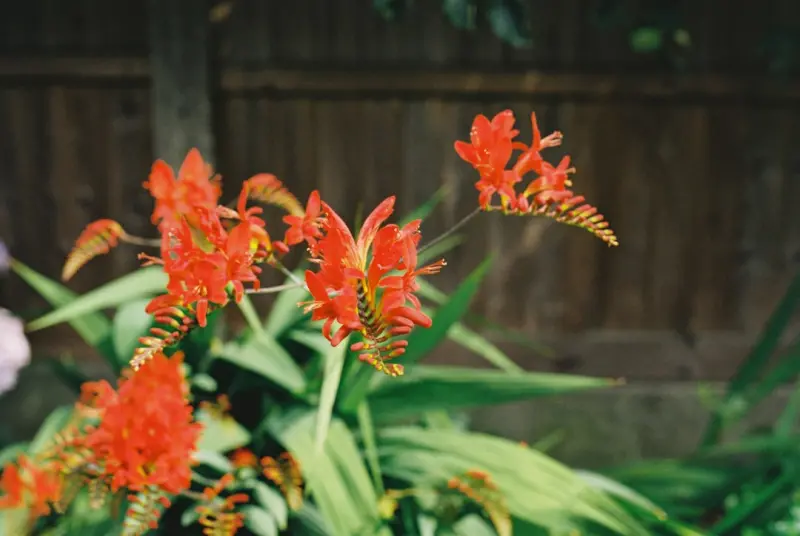
When I first stepped onto my modest balcony and saw a lone marigold daring to bloom between the potted herbs, I felt a spark of curiosity that quickly turned into an obsession. Not just any bloom—an edible one—caught my eye. The idea that a single plant could be both a visual statement and a flavor enhancer struck a chord. Over the past months I’ve been stitching together a garden that looks like an art installation and tastes like a chef’s pantry, and I’m eager to share the journey.
The Double‑Duty Appeal of Edible Flowers
Edible flowers occupy a sweet spot at the intersection of aesthetics, ecology, and gastronomy. Their vivid petals can serve as living sculptures, drawing the eye and inviting pollinators. At the same time, they add layers of taste—peppery, citrusy, honey‑sweet—to salads, desserts, and drinks. The best part? You don’t need a sprawling plot. Even a sunny windowsill can host a handful of varieties that thrive side‑by‑side.
Mapping Your Space: From Sunlight to Soil
Before you start buying seed packets, take a moment to observe your garden’s micro‑climate. Note where the morning sun lingers, where shade drifts in the afternoon, and how wind sweeps across the area. Most edible flowers favor at least four to six hours of direct sunlight, but a few—like violet (Viola) and pansy—tolerate partial shade.
Soil health is equally crucial. Aim for a loamy mix rich in organic matter; a blend of garden soil, compost, and a touch of sand provides good drainage while retaining enough moisture for tender seedlings. If you’re working with containers, a high‑quality potting blend with perlite will keep roots breathing.
For those with limited room, consider vertical solutions. A sturdy trellis or a series of hanging baskets can turn a narrow balcony into a cascading palette of colors. This approach also improves air circulation, reducing the risk of fungal issues.
Choosing Your Star Performers
Below is a curated list of reliable, beginner‑friendly edible flowers that also offer striking visual contrast:
- Nasturtium (Tropaeolum majus) – Bright orange or red blooms with a peppery kick; loves full sun.
- Calendula (Calendula officinalis) – Golden petals that taste slightly tangy; thrives in cooler weather.
- Viola (Viola tricolor) – Soft purples, yellows, and whites; prefers partial shade.
- Borage (Borago officinalis) – Star‑shaped blue flowers, cucumber‑like flavor; self‑seeds generously.
- Chive (Allium schoenoprasum) blossoms – Delicate purple clusters with a mild onion note.
- Rose (Rosa spp.) petals – Fragrant and sweet, best harvested early in the morning.
These varieties pair well together, offering a spectrum of hues and textures that can be layered for a garden‑wide masterpiece.
Design Principles: Color, Height, and Texture
Think of your garden as a living canvas. Use the color wheel to create harmony or contrast. For a harmonious look, group analogous colors—such as orange nasturtiums with yellow calendula. For dramatic impact, place complementary colors opposite each other, like deep violet violas beside bright orange nasturtiums.
Height adds depth. Plant low‑growing herbs like thyme or basil at the front, medium‑height flowers such as violas in the middle, and taller species like borage or sunflowers at the back. This tiered arrangement ensures every bloom gets its moment in the spotlight.
Texture is the unsung hero. The fuzzy leaves of borage contrast beautifully with the delicate, papery petals of violas. Mixing leaf shapes—round, lance‑shaped, or deeply lobed—creates visual intrigue even when the garden is not in full bloom.
Step‑by‑Step Planting Guide
1. Start Seeds Indoors (if needed) – For early spring planting, sow seeds in seed‑starting trays about 6–8 weeks before the last frost. Keep them in a warm spot (around 70°F) and provide a light source or a sunny windowsill.
2. Direct‑Sow in the Garden – Many edible flowers, especially nasturtiums and borage, prefer to be sown directly into the soil. Scatter seeds thinly, cover with a light layer of soil, and water gently.
3. Space Wisely – Follow package guidelines, but as a rule of thumb, allow 8–12 inches between plants for larger varieties and 4–6 inches for compact species.
4. Succession Planting – To enjoy blooms throughout the growing season, sow a new batch of seeds every two weeks. This “staggered” approach ensures continuous color and harvest potential.
5. Mulch and Water – Apply a thin mulch layer to retain moisture and suppress weeds. Water consistently, aiming for evenly moist soil without sogginess.
Maintenance: Keeping the Garden Healthy and Productive
Edible flowers are generally low‑maintenance, but a few best practices will keep them thriving:
- Deadheading – Snip spent blooms to encourage further flowering and prevent self‑seeding where you don’t want it.
- Organic Pest Management – Ladybugs and lacewings love aphids; introduce them or use a gentle neem spray if infestations appear.
- Fertilize Lightly – A balanced, organic fertilizer once a month supports robust growth without overwhelming the delicate petals.
- Watch for Toxic Look‑alikes – Some ornamental flowers (like foxglove) are poisonous. Always verify that a plant is edible before consumption.
Harvesting and Culinary Adventures
Harvest flowers in the early morning after dew has dried but before the sun intensifies. Use clean, sharp scissors to cut stems, leaving a small portion of the stem attached to prolong plant vigor. Rinse gently in cool water and pat dry.
Here are a few simple ways to showcase your fresh blooms:
- Salads – Sprinkle nasturtium petals over mixed greens for a peppery pop.
- Infusions – Add calendula petals to tea or simple syrups for a golden hue and subtle flavor.
- Desserts – Garnish cakes, cupcakes, or panna cotta with rose petals for romance.
- Drinks – Float violet blossoms in cocktails or sparkling water for visual flair.
- Preserves – Create a petal‑infused honey or vinegar to use year‑round.
Remember to use only the petals; leaves, stems, or roots of many species can be bitter or even toxic.
Extending the Experience Indoors
Bringing the garden’s bounty into the kitchen completes the loop between cultivation and consumption. Store harvested petals in a paper bag in the refrigerator; they’ll stay fresh for up to a week. For longer storage, gently freeze petals on a tray, then transfer to a zip‑locked bag.
Consider a small herb‑and‑flower micro‑garden on your windowsill. This not only supplies fresh ingredients but also provides a visual reminder to incorporate garden‑fresh flavors into daily meals.
Adding a Subtle Acoustic Layer
While the visual and gustatory aspects of edible flowers are obvious, the auditory environment can subtly enhance the garden experience. Soft rustling grasses, the gentle murmur of a water feature, or even wind chimes add a calming soundtrack that encourages lingering. For those concerned about unwanted noise, the article on home acoustic enhancements offers practical tips for balancing serenity with sound control.
Why This Matters: A Personal Reflection
Creating an edible‑flower garden has become more than a hobby; it’s a daily meditation. Watching a seed push through soil, seeing a bud unfurl, and finally tasting the result on a plate connects me to the rhythms of nature in a tangible way. It also invites friends and family to share in a story that starts in the soil and ends at the table.
If you’ve ever thought your garden was “just for looks,” I challenge you to rethink that notion. With a handful of seeds and a pinch of curiosity, you can transform a modest outdoor space into a living pantry—one that delights the eyes, the nose, and the palate.
So roll up your sleeves, sketch a quick plan, and let your backyard bloom into a flavorful gallery. The garden is waiting, and the first petal you pluck could be the start of a delicious new tradition.

Seth Samual is a name that's quickly becoming synonymous with compelling and insightful writing. As a freelance writer, Seth has carved a niche for himself by delivering high-quality content across a diverse range of subjects.
Related Posts
Why My Garden Desk Became the Heartbeat of Home Living
A garden desk can revitalize your daily routine, merging productivity with nature. Learn design tips... Read More
Designing a Garden Soundscape: How to Turn Your Backyard into an Auditory Sanctuary
Discover how to design a backyard soundscape using natural elements, smart tech, and seasonal tweaks... Read More
Native Plant Landscaping: A Low‑Maintenance Blueprint for Busy Professionals
Learn how to design a resilient, low‑maintenance garden using native plants, smart irrigation, and... Read More
Top Posts

Breathing the City: How Conscious Air Can Transform Urban Health
In the bustling city, a simple, conscious breath can become a powerful tool for health. Rose DesRochers shares practical breathwork techniques, tech integration...Read More

Turning Lateral Moves into Career Accelerators: The Power of Internal Mobility
Learn why moving sideways inside your company can be the fastest route to skill diversification, stronger networks, and long‑term career acceleration....Read More

Blueprinting Your Career: How to Engineer Work That Grows With You
Discover a step‑by‑step framework for building a living career blueprint that maps your skills, tracks market trends, and aligns with your personal work sty...Read More
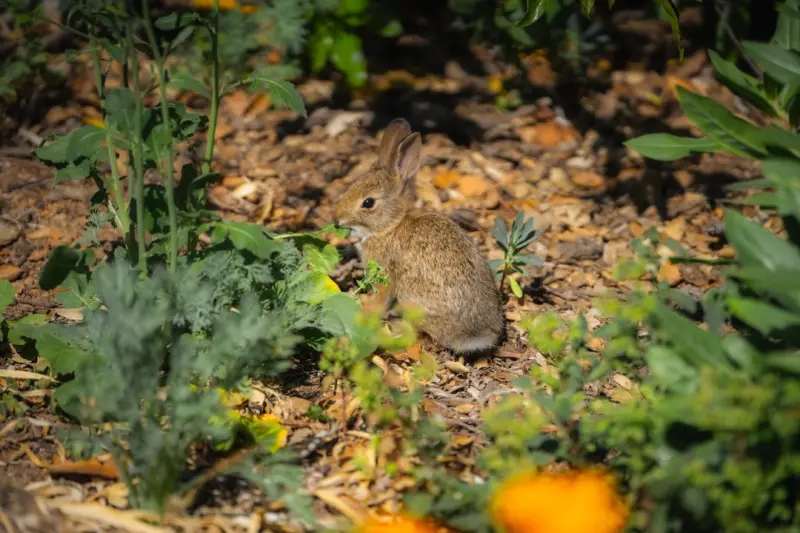
Turning Your Backyard into a Thriving Wildlife Corridor
Discover how to transform an ordinary backyard into a vibrant wildlife corridor, attracting pollinators, birds, and beneficial insects while improving garden he...Read More
0 Comments
Post Comment
You will need to Login or Register to comment on this post!