
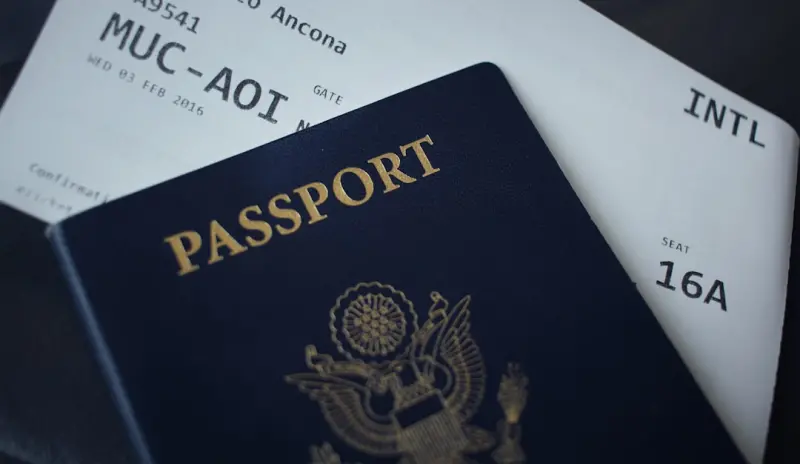
Imagine stepping off a plane, train, or ferry and feeling the immediate spark of curiosity that tells you this isn’t just another vacation—it’s a catalyst for the next big idea in your work or personal projects. I’ve spent the last decade hopping continents, chasing festivals, and nesting in coffee‑filled co‑working hubs, and I’ve learned that the most valuable luggage you can carry isn’t a designer suitcase—it’s a systematic approach to turning every journey into a creative engine.
Why Travel Needs a Narrative Engine
Most travel writing glorifies the destination: the sun‑kissed beaches, the towering cathedrals, the bustling markets. While those images are undeniably alluring, they often leave us with a fleeting emotional high rather than a lasting impact. The travel as a living innovation lab concept introduced a powerful shift—viewing trips as experiments. I take it a step further: travel as a narrative engine. By framing each outing as a story with a clear protagonist (you), a conflict (the challenge of the unknown), and a resolution (the insight you harvest), you embed purpose into the very act of moving.
When you treat a trip as a story, you automatically start asking the right questions: What problem am I trying to solve? Which local practice could inform my solution? How does the culture’s relationship with time, space, or risk reshape my assumptions? This narrative lens converts wandering into a disciplined form of research, and the payoff is a collection of anecdotes that become raw material for innovation back home.
Collecting Insight On the Road
Every destination offers a trove of data—visual, auditory, tactile, and emotional. The trick is capturing it without drowning in noise. Here are three methods I swear by:
- Micro‑Journaling. Instead of waiting for a nightly debrief, I pull out a tiny notebook (or a notes app) every hour to jot down a single observation that surprised me. One phrase, one sketch, one feeling. Over a week, those fragments stitch together a vivid mosaic.
- Sound Bites. I record ambient sounds—street vendors shouting, a distant prayer call, the hum of a high‑speed train. When you play them back, they instantly transport you to the moment, reigniting the emotional context that fuels creative thinking.
- Contextual Photo Essays. Instead of the classic Instagram grid, I photograph a single element (a doorway, a pattern, a tool) alongside a brief caption that explains its relevance to a problem I’m tackling. This habit forces me to connect visual detail with strategic thinking.
When you later feed these artifacts into an AI‑curated knowledge hub, the system can surface patterns you’d never notice on your own—like recurring themes of “community‑driven resource sharing” across three unrelated cities, hinting at a universal design principle.
Designing a Portable Creative Workspace
Most travelers think a laptop and a coffee shop are enough, but the most productive nomads treat their gear as a modular studio. My go‑bag includes:
- A lightweight, fold‑out whiteboard. Sketching process flows on the go feels surprisingly grounding.
- A set of colored highlighters. They become a visual language for tagging ideas—green for “actionable,” orange for “needs validation,” violet for “inspired by culture.”
- A portable battery pack with multiple USB‑C ports. No excuse for a dead device when the inspiration hits at 2 am.
Combine these tools with a disciplined “work‑break‑work” rhythm: 45 minutes of focused note‑taking, a 15‑minute walk to soak in the surroundings, then another 45 minutes of synthesis. This rhythm mirrors the micro‑refresh techniques you’ve seen elsewhere, but applied specifically to the travel context, allowing you to keep the momentum of discovery without burning out.
Turning Souvenirs into Knowledge Assets
Souvenirs have a reputation for clutter, yet they can become powerful symbols of insight if you repurpose them strategically. Here’s my process:
- Identify the Insight. When you pick up a handcrafted object—a woven basket, a locally printed poster—ask yourself, “What does this tell me about the maker’s priorities?”
- Tag It. Attach a small, QR‑code‑enabled tag that links to a digital note summarizing the insight.
- Display Intentionally. At home or in the office, arrange these items on a “travel wall” where each piece is paired with its associated lesson. The visual cue triggers recall and can spark new ideas during brainstorming sessions.
This approach transforms clutter into a living library, reinforcing the habit of extracting actionable knowledge from every cultural touchpoint.
Future‑Proofing Your Travel Habit
Travel trends are evolving. The rise of slow travel (though we’ll avoid naming it directly) and digital nomad visas mean more people are spending extended periods abroad. To stay ahead, embed travel into your long‑term growth strategy:
- Set Annual “Insight Quotas.” Instead of a destination count, aim for a target number of distinct insights or cultural practices you’ll integrate into your work each year.
- Leverage Community Platforms. Join niche forums where travelers share their knowledge assets—from design patterns inspired by street markets to productivity hacks from remote islands. These communities act as decentralized research labs.
- Invest in Sustainable Mobility. Choosing low‑impact transport not only aligns with environmental values but also opens doors to unique experiences—like a cargo bike tour of a historic district that a bus would never reveal.
When you treat travel as an ongoing research program rather than a series of isolated vacations, you cultivate a feedback loop that continuously enriches both your personal growth and professional output.
Putting It All Together: A Sample Workflow
Below is a concise, repeatable workflow that captures the essence of the narrative‑engine approach:
- Pre‑Trip Planning. Define a single thematic question (e.g., “How do small towns foster community resilience?”). Identify three locations known for that trait.
- On‑The‑Ground Capture. Use micro‑journaling, sound bites, and photo essays to collect data.
- Mid‑Trip Synthesis. At the end of each day, spend 30 minutes grouping observations into themes, tagging them with colored highlighters.
- Post‑Trip Integration. Upload all media into an AI‑curated knowledge hub, allowing the system to suggest connections across your existing project database.
- Actionable Output. Draft a brief report or presentation that translates the travel insights into concrete recommendations for your team.
This loop ensures that no insight evaporates into the ether, and it guarantees that each journey directly contributes to your larger creative and strategic objectives.
Travel isn’t just an escape—it’s a strategic lever. By building a personal system that treats each trip as a narrative engine, you’ll return not only with souvenirs but with a toolbox of ideas, patterns, and stories that can drive innovation for years to come. Pack light, travel deep, and let every mile become a chapter in your ongoing saga of discovery.

Miranda Murphy: Experienced freelance writer with a decade of storytelling expertise. Let's create something amazing together!
Related Posts
Narrative Nomad: Turning Every Trip Into a Story
Travel isn’t just about sights—it’s a living story. Discover how a capsule wardrobe, chronobio... Read More
How Travel Journaling Turns Fleeting Moments Into Lasting Memories
Explore why a travel journal is your best travel companion, how to choose the right medium, and tips... Read More
Turning Every Trip Into a Personal Innovation Lab
Learn to treat each journey as a lab for personal growth. From hypothesis crafting to reflective sto... Read More
Top Posts

Beyond Tourist Trails: Crafting Immersive Journeys That Reshape Your Inner Compass
Travel becomes a transformative practice when you move beyond checklist sightseeing. Using a four‑layer blueprint—physical presence, sensory engagement, cul...Read More
Breathing Into the Future: Wearables Meet Intentional Breath
Mei Chen shares a data‑driven approach to health, showing how deliberate breathwork paired with wearable metrics can lower stress, boost HRV, and enhance over...Read More
Crafting a Sensory Sanctuary: How Touch, Temperature, and Scent Elevate Personal Care
Learn how to build a daily sensory sanctuary using texture, temperature, and fragrance, turning ordinary personal care moments into powerful rituals for calm, f...Read More
Portfolio Careers: Crafting a Flexible Future at Work
Discover the rise of portfolio careers, learn practical steps to launch multiple gigs, and see how tech and internal marketplaces can empower a flexible, resili...Read More
0 Comments
Post Comment
You will need to Login or Register to comment on this post!