
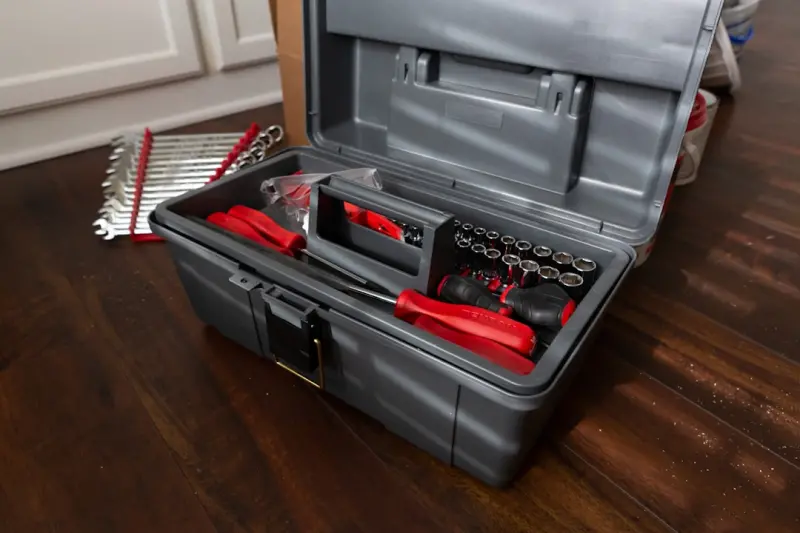
Why Mental Resilience Needs an Unseen Toolbox
When I first started writing about workplace wellness, the conversation always circled back to big‑picture solutions: meditation apps, ergonomic chairs, or the occasional “mental health day.” Those are valuable, but they’re also the tip of the iceberg. Below the surface lies a set of everyday, low‑tech practices that most of us overlook because they feel too simple to be “real” mental health work. This is the unseen toolbox—the collection of small, intentional habits that, when combined, create a sturdy framework for mental resilience.
Rethinking the “Productivity‑First” Narrative
Our culture glorifies the hustle. The metric of success is often a relentless to‑do list, and any pause is labeled “unproductive.” I’ve lived that mindset: coffee in hand, inbox buzzing, calendar packed. Yet, the very same drive that fuels achievement can also erode the brain’s capacity to recover, leading to a chronic state of low‑grade anxiety.
The first step to change is to recognize that productivity and mental health are not adversaries. They’re partners in a dance where rhythm matters more than speed. By inserting strategic pauses, we give the nervous system a chance to reset, which in turn sharpens focus and fuels sustainable output.
Storytelling as a Cognitive Workout
One habit that has transformed my mental stamina is narrative journaling. It’s not the typical gratitude list; it’s a practice of framing daily events as stories with characters, conflict, and resolution. This simple act engages the brain’s default mode network—the region responsible for imagination, self‑reflection, and problem solving.
Here’s how to start:
- Pick a moment from the day that sparked an emotion, however fleeting.
- Identify the characters—you, a colleague, a stranger, even your own inner critic.
- Outline the conflict—what tension arose, what assumptions you held.
- Craft a resolution—how did you respond, what could you try next time?
When you rewrite experience as a story, you create psychological distance, which reduces rumination and builds a mental rehearsal space for future challenges. Over weeks, you’ll notice a subtle shift: stressful events feel less like a hammer and more like a puzzle you can re‑assemble.
Intentional Micro‑Pauses: The Power of “Just a Breath”
Micro‑pauses are the mental equivalent of interval training. You don’t need a full meditation session; a 30‑second “reset” can clear mental fog. The key is consistency—treat each pause as a rep in your resilience gym.
Try this three‑step protocol three times a day:
- Notice the moment you feel tension building (a tight chest, a clenched jaw).
- Pause for 20‑30 seconds: close your eyes, inhale for a count of four, exhale for a count of six.
- Anchor the pause with a gentle cue—perhaps a desk plant, a sticky note, or the sound of a distant traffic hum.
These tiny intervals signal the autonomic nervous system to shift from “fight‑or‑flight” to “rest‑and‑digest,” lowering cortisol and sharpening clarity. Over time, the brain learns to self‑regulate, making stress responses more fluid.
Connecting the Dots: Emotional Intelligence in Remote Teams
Remote work can amplify the sense of isolation, but it also opens a door to intentional emotional design. In my recent research, I explored how building emotional intelligence into AI for remote teams can surface hidden sentiment trends, allowing managers to intervene before burnout sets in.
While AI isn’t a silver bullet, the data it provides can highlight when collective morale dips—prompting leaders to schedule group micro‑pauses or shared storytelling sessions. The takeaway? Leverage technology as a mirror, not a replacement, for genuine human connection.
Physical Micro‑Routines That Reinforce Mental Agility
Our bodies and brains are tightly coupled. A quick burst of movement can ignite neurochemical cascades that boost mood and cognition. The research behind 60‑second workouts shows that even a single minute of coordinated movement spikes dopamine and clears mental clutter.
Here are five office‑friendly micro‑routines you can embed into your day:
- Desk Push‑ups: Place hands on the edge of your desk, lower your chest, and push back up. Ten reps.
- Seated Leg Lifts: Extend one leg straight, hold for three seconds, lower, and switch. Five per side.
- Shoulder Rolls: Roll shoulders forward for ten seconds, then backward for ten.
- Neck Stretch: Gently tilt head toward each shoulder, holding each side for five seconds.
- Finger Flex: Open and close hands rapidly for thirty seconds to release tension.
These movements don’t require a gym, a change of clothes, or a break longer than a coffee sip. Yet they provide a physiological reset that translates into sharper focus and reduced mental fatigue.
Designing “Mental Safe Spaces” in Everyday Environments
We’ve all read about quiet zones in open‑plan offices, but the concept can be extended to any environment—including your home office or a favorite café. A mental safe space is less about sound isolation and more about sensory cues that signal safety to your brain.
Pick three “anchor elements” for your space:
- A visual cue—a small piece of artwork or a calming color on the wall.
- An auditory cue—a low‑volume playlist of ambient sounds or a single wind chime.
- A tactile cue—a smooth stone, a textured mouse pad, or a warm mug.
When you sit down to work, engage each cue intentionally. This ritual trains your brain to associate the environment with a state of calm, making it easier to slip into flow mode even when external chaos looms.
Community‑Driven Resilience: The Role of Shared Vulnerability
Human beings are wired for connection. When we share struggles in a supportive group, the brain releases oxytocin, a hormone linked to trust and reduced anxiety. Organize a “Resilience Roundtable” with a few colleagues or friends once a month. Keep it informal—no PowerPoints, just a circle of chairs and a shared intention to listen without judgment.
Structure the session with three prompts:
- What small win did you experience this week?
- What mental habit helped you navigate a challenge?
- What support would you like from the group moving forward?
This simple format cultivates accountability, normalizes vulnerability, and builds a collective reservoir of coping strategies.
Putting It All Together: Building Your Personal Resilience Gym
Think of each practice—storytelling, micro‑pauses, micro‑routines, sensory anchors, community sharing—as a piece of equipment in a mental resilience gym. The more diverse the equipment, the more you can tailor workouts to your personal needs.
Start with a “baseline assessment”: spend a week noting moments of stress, the intensity (on a scale of 1‑10), and what, if anything, you did to alleviate it. Then, map each moment to one of the toolbox practices. Over the next month, intentionally rotate through the tools, tracking changes in intensity and frequency.
When the data shows a downward trend in stress scores, you’ve built a feedback loop that confirms the effectiveness of your routine. When the trend plateaus, it’s a cue to introduce a new tool or deepen an existing one.
Final Thoughts: Embrace the Everyday
Resilience isn’t built overnight with grand gestures; it’s forged in the accumulation of tiny, consistent actions. By treating each micro‑pause, story, stretch, and shared moment as a deliberate rep, you empower your brain to stay flexible, adaptive, and robust. The unseen toolbox is already within reach—your desk, your journal, your breath. The only thing left to do is start pulling the tools out and using them daily.

Jim Pearse, a seasoned freelance writer, brings a wealth of knowledge and passion to the world of home and garden. From the intricacies of landscaping to the nuances of interior design, Jim delves into every aspect of creating comfortable, beautiful, and functional living spaces.
Related Posts
When Your Mind Takes a Guided Wander: Structured Daydreaming for Better Mental Health
Discover the power of intentional reverie: a simple, science‑backed practice that transforms mindâ... Read More
Playful Reset: Using Curiosity to Defuse Modern Stress
Learn to turn everyday moments into playful resets, using curiosity, micro‑movement, and sensory t... Read More
Unlocking the Power of Structured Daydreaming for Mental Resilience
Structured daydreaming turns mind‑wandering into a purposeful mental workout, enhancing creativity... Read More
Top Posts

Rewilding Your Backyard: A Practical Guide to Creating a Miniature Ecosystem
Discover a step‑by‑step approach to rewilding your yard, from soil testing and native plant selection to rain gardens and structural habitats, creating a lo...Read More
Creating a Multi‑Sensory Sanctuary at Home: Sound, Light, and Touch Strategies
Learn how to turn any room into a multi‑sensory sanctuary using sound‑absorbing rugs, layered lighting, tactile textures, and subtle scents for a more comfo...Read More
When AI Becomes Your Quiet Partner in Work and Life
Explore a fresh perspective on AI as a quiet collaborator that personalizes knowledge, enhances creative flow, and transforms your workspace into a productivity...Read More

The Hidden Palette: Using Color to Rewire Your Mood
Explore the science of color psychology and learn practical ways to use hue in your environment and wardrobe to uplift mood and strengthen mental health....Read More
0 Comments
Post Comment
You will need to Login or Register to comment on this post!