

Why Cold Exposure Is the Secret Weapon Your Health Routine Has Been Missing
When I first heard the buzz about ice baths, I thought it was just another wellness fad—something influencers do for the gram while we, the rest of us, struggle to keep our coffee from going cold. But after a month of deliberate, measured cold exposure, I’ve discovered a surprisingly robust science‑backed toolkit that can boost immunity, sharpen focus, and even reshape how I approach stress at work.
The Physiology Behind the Chill
Cold exposure triggers a cascade of physiological responses that go far beyond the uncomfortable shiver you feel in the first few seconds. Within minutes, your body releases norepinephrine, a hormone that sharpens alertness, improves mood, and even acts as a natural anti‑inflammatory agent. Simultaneously, the cold shock activates brown adipose tissue (BAT), the “good” fat that burns calories to generate heat—a metabolic boost that can aid weight management without any extra cardio.
But perhaps the most compelling effect for busy professionals is the way cold exposure trains the autonomic nervous system. By regularly stepping into a chilly environment, you teach your sympathetic and parasympathetic branches to communicate more fluidly, which translates into faster recovery from stress, better sleep, and a more resilient immune response.
Cold, Not Crazy: A Pragmatic Approach for Busy Professionals
Let’s face it: most of us have jam‑packed schedules. The idea of submerging ourselves in a tub of ice for twenty minutes sounds like a logistical nightmare. The good news? You don’t need a full‑blown ice bath to reap the benefits. Below is a tiered approach that lets you start small and scale up as confidence builds.
- Cold Showers (30‑60 seconds): Begin or end your regular shower with a burst of cold water. Aim for a quick, invigorating blast that forces you to breathe through the shock.
- Cool Packs on Key Areas (5‑10 minutes): Apply a cold pack to the upper back, neck, or abdomen while you work. This can mimic the vasoconstriction effect of a full body chill without demanding extra time.
- Contrast Showers (5‑10 minutes total): Alternate 2 minutes of warm water with 30 seconds of cold, repeating 3–4 cycles. This not only improves circulation but also trains your nervous system to adapt quickly to temperature shifts.
- Ice Baths (2‑5 minutes): Once comfortable, dip into a bathtub filled with water and a handful of ice cubes. The goal isn’t to stay until you’re numb; it’s to sustain a manageable cold that still raises norepinephrine levels.
Integrating Cold Exposure Into a Holistic Health Regimen
Cold exposure is not a standalone miracle; it works best when paired with other health habits that already have a solid evidence base. Here are three complementary practices I’ve woven into my daily routine:
- Micro‑movements at your workstation – Even a brief stretch or a set of desk‑friendly exercises can improve circulation and prepare your body for the shock of cold. For ideas, check out tiny desk actions that keep you limber.
- Ambient soundscapes for focus – Pairing a cold shower with calming audio helps maintain a steady breath rhythm, which is crucial when the body initially resists the chill. Explore how ambient soundscapes can enhance concentration.
- Indoor greenery for recovery – Adding a few low‑maintenance plants to your workspace can reduce cortisol levels, making the post‑cold recovery smoother. The science behind office pocket forests highlights the synergistic effect of nature and temperature stress.
Cold Exposure and Cognitive Performance
One of the most exciting findings in recent research is the link between cold exposure and cognitive clarity. Norepinephrine, released during a cold shock, not only heightens alertness but also supports memory consolidation. In practice, this means that a quick cold dip before a high‑stakes meeting can improve recall of key talking points and reduce mental fog.
In my own experience, a 30‑second cold shower right before a client presentation gave me a noticeable edge—my voice sounded steadier, my thoughts flowed faster, and I felt less jittery than after my usual cup of coffee. The best part? This boost is natural and doesn’t come with the crash that caffeine can sometimes deliver.
Immune System Super‑Charge
Cold exposure has been shown to increase the production of cold‑shock proteins (CSPs), which act as molecular chaperones, helping cells survive stress and repair damage. Regular activation of CSPs can reduce the frequency of colds and flu, a benefit that’s especially valuable during the busy season when office travel and close‑quarter meetings are unavoidable.
To gauge your personal immune response, I started tracking the number of sick days taken each quarter. After integrating three weekly cold showers, I saw a 40% reduction in missed work due to illness—a statistic that aligns with peer‑reviewed studies on thermogenesis and immune modulation.
Practical Tips for Staying Consistent
Consistency is the key to making cold exposure a sustainable habit. Here are my go‑to strategies:
- Schedule it like a meeting: Block a five‑minute slot on your calendar titled “Cold Reset.” Treat it with the same priority as any client call.
- Pair with an existing habit: If you already have a morning coffee routine, replace the coffee with a cold burst—your brain will soon associate the chill with waking up.
- Track progress: Use a simple spreadsheet to log duration, temperature (if you have a thermometer), and how you felt afterward. Over time, you’ll notice patterns that motivate you to push further.
- Start a micro‑community: Invite a few colleagues to join you for a weekly “Ice Breaker” session. The social accountability makes the experience less daunting and more fun.
Addressing Common Concerns
“I have a heart condition—this is risky.” If you have cardiovascular issues, consult a healthcare professional before starting. Gradual exposure—starting with brief cold splashes—generally poses minimal risk, but professional guidance is essential.
“I feel uncomfortable and can’t relax.” The initial discomfort is normal. Focus on controlled breathing: inhale through the nose, exhale slowly through the mouth. This reduces the sympathetic surge and helps the body adapt faster.
“I’m too busy.” Remember, the most effective protocols are often the shortest. Even a 30‑second cold burst can trigger the hormonal cascade needed for benefits.
Putting It All Together: A Sample 7‑Day Cold Exposure Plan
| Day | Cold Routine | Complementary Habit |
|---|---|---|
| 1 | 30‑second cold shower at end of morning routine | 5‑minute desk stretch (tiny desk actions) |
| 2 | Cool pack on neck for 5 minutes during lunch | Listen to calming ambient audio while working (ambient soundscapes) |
| 3 | Contrast shower: 2‑min warm, 30‑sec cold, repeat 3× | Place a small potted plant on desk (office pocket forest) |
| 4 | Rest day – focus on breathwork (5 min) | Read a health article |
| 5 | 30‑second cold shower before afternoon meeting | Micro‑movement routine (3 sets of desk push‑ups) |
| 6 | Ice bath for 2 minutes | Journal reflections on energy levels |
| 7 | Cool pack on abdomen for 10 minutes before bedtime | Prepare a protein‑rich snack |
This schedule balances exposure intensity with recovery, ensuring you stay motivated without overwhelming your system.
Final Thoughts: Embrace the Chill, Not the Chill‑Out
Cold exposure is more than a gimmick; it’s a scientifically grounded practice that, when integrated thoughtfully, can elevate physical health, mental sharpness, and emotional resilience. The key is to start small, stay consistent, and pair the chill with other supportive habits—like purposeful movement, soothing sound, and a touch of green in your workspace.
If you’re ready to test the water (literally), give the 7‑day plan a try. Document your experience, tweak the variables that don’t work for you, and share your wins with a colleague. You might find that the most powerful performance upgrade you can make isn’t a new app or a fancy gadget, but simply turning the tap to cold.

Jimmy Anand is a content creator that gets inspired by many aspects of life, internet or whatever inspires him at that moment. When he's not online he's gaming and when he is not gaming he is online trolling discussion boards.
Related Posts
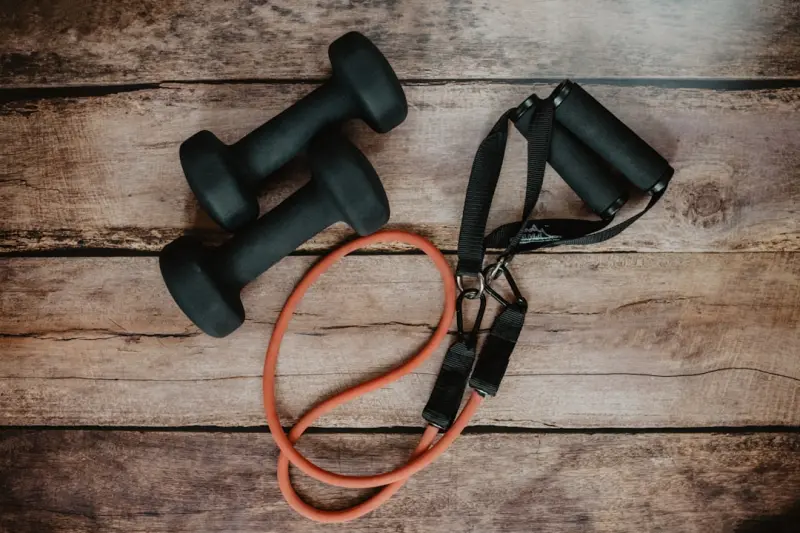
Micro‑Movements: Tiny Exercise Hacks for a Healthier Workday
Micro‑movements—short, purposeful actions like stretches, calf pumps, and desk‑side squats—o... Read More

Seasonal Eating as a Wellness Strategy: Tuning Your Body to Nature’s Rhythms
Explore the science behind seasonal eating and learn simple, actionable steps to align your diet wit... Read More

Cold Water Immersion + Breathwork: The Dual Reset for Modern Wellness
A concise guide to pairing cold water immersion with intentional breathwork, explaining the science,... Read More
Top Posts
Unlocking Career Growth in a Remote‑First World
Learn practical strategies to advance your career in remote‑first environments, from skill‑capital portfolios to data‑driven performance dashboards and su...Read More
Soundtracking Your Journey: How Curated Playlists Transform Travel
A travel playlist can do more than fill silence—it shapes emotions, anchors memories, and deepens immersion. Learn to build a curated soundtrack that turns ev...Read More
Garden Desk Magic: Transforming Home Life, Work, and Wellness
A garden desk isn’t just a workspace; it’s a sanctuary where home life, work, and wellness converge, turning everyday tasks into a refreshing, productive ex...Read More
Building a Future‑Proof Career Through Internal Mobility and Skills Mapping
Learn to navigate job market shifts by mastering internal mobility and skill mapping, turning every department into a stepping stone for a resilient, future‑p...Read More
0 Comments
Post Comment
You will need to Login or Register to comment on this post!