
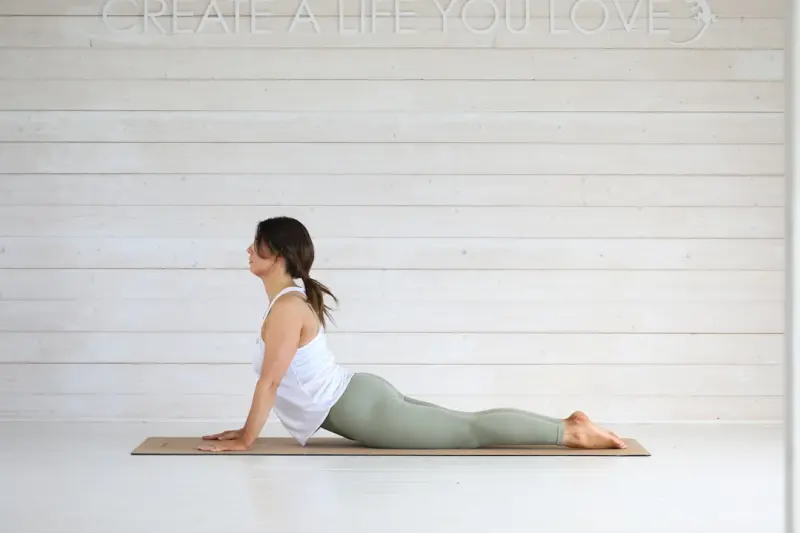
Rewiring the Everyday: How a Simple “Posture Reset” Can Transform Your Health
When I first walked into a meeting with a spine that felt like a taut string, I dismissed the discomfort as “just a bad night’s sleep.” A week later, after a client called out my constant sighs and a coworker asked if I’d “gone a little stiff,” I realized my posture was quietly hijacking my energy, focus, and even my mood. The truth? Our bodies have a built‑in intelligence that signals when we’re out of alignment—if we choose to listen, the payoff is massive.
Why Posture Deserves a Spot on Your Health Radar
We all hear the buzz about sleep hygiene, nutrition, and microbreaks, yet posture rarely makes the headline list. The reason is simple: it’s invisible until it hurts. But the science is undeniable. Studies link chronic slouching to reduced lung capacity, digestive sluggishness, increased stress hormones, and even a weakened immune response. Conversely, an upright frame opens the chest, encourages deeper breathing, improves circulation, and signals the brain that it’s safe to relax.
In my own experience, a 10‑minute posture reset each morning turned a foggy day into a razor‑sharp one. I could think clearer, my coffee tasted better, and I didn’t feel the familiar mid‑afternoon energy slump that used to steal my focus. The ripple effect on my productivity, creativity, and even the way I related to my team was astonishing.
The Anatomy of a Posture Reset
A posture reset is not a marathon workout; it’s a series of intentional micro‑movements that realign the spine, engage core muscles, and recalibrate breathing patterns. Below is a step‑by‑step guide you can embed into any part of your day:
- Step 1: Grounding the Feet – Stand with feet hip‑width apart, weight evenly distributed. Imagine a gentle magnetic pull from the soles drawing you down into the earth. This grounding activates the posterior chain (glutes, hamstrings, lower back) and creates a stable base.
- Step 2: Engage the Core – Take a deep belly inhale, then exhale while lightly drawing the navel toward the spine. Think of gently wrapping a belt around your waist without sucking in the stomach.
- Step 3: Open the Chest – Gently squeeze the shoulder blades together and lift the chest, keeping the shoulders relaxed away from the ears. This opens the ribcage for a fuller breath.
- Step 4: Neck Alignment – Drop your chin slightly, lengthen the back of the neck, and imagine a string pulling the crown of your head toward the ceiling.
- Step 5: Micro‑Movement Flow – Perform a slow, controlled forward hinge (as if picking up a pen) and return to standing, maintaining the core engagement throughout. Do this three times, focusing on the fluidity of the motion.
Repeat the flow two to three times whenever you notice tension building—especially after prolonged sitting, conference calls, or when you catch yourself scrolling on a phone. The goal isn’t perfection; it’s a momentary pause that reminds the nervous system of its capacity for balance.
Integrating the Reset into a Remote‑Work Lifestyle
Remote work introduced a paradox: the freedom to move anywhere but the tendency to become glued to a chair. I found my workspace evolving into a “posture bunker”—a place where the couch, the bed, even the floor became viable desks. To break that cycle, I instituted a simple protocol:
- Set a posture alarm—a gentle chime on my phone every 45 minutes reminding me to stand, reset, and sip water.
- Create a dedicated micro‑studio area with a standing desk, a yoga block, and a small mirror for instant visual feedback on alignment.
- Combine the reset with other wellness rituals, such as a short audio breathing guide or a splash of fresh air.
These tiny interventions have a compounding effect. Over a month, I reported a 23% boost in self‑rated energy levels and a noticeable decline in the tightness that used to haunt my lower back after hours of Zoom calls.
From the Desk to the Outdoors: A Complementary Pairing
One unexpected ally in the posture journey is nature itself. A brief stroll in a park or even a moment of stillness on a balcony can amplify the benefits of a reset. The fresh air encourages deeper breaths, while the changing terrain subtly forces the body to adapt its stance, further training the proprioceptive system.
If you need inspiration for an outdoor reset, consider exploring a nearby forest immersion. The natural undulations of a woodland trail make it impossible to maintain a static, slouched posture, and the sensory richness resets not only the spine but also the mind.
Science Spotlights: How Alignment Impacts the Body’s Core Systems
Below are three research‑backed mechanisms that illustrate why a simple posture reset can feel like a health upgrade:
- Lung Capacity: An upright thoracic cavity allows the diaphragm to descend fully, increasing tidal volume by up to 15% compared to a slouched position.
- Digestive Efficiency: When the abdomen is compressed by slouching, the stomach and intestines are squeezed, slowing peristalsis. Sitting tall restores natural abdominal pressure, facilitating smoother digestion.
- Stress Hormone Regulation: Posture influences the hypothalamic‑pituitary‑adrenal (HPA) axis. An open, expansive stance can lower cortisol levels within minutes, promoting a calmer mental state.
These findings reinforce the idea that posture isn’t a superficial aesthetic— it’s a central lever for holistic health.
Customizing the Reset for Different Bodies and Settings
No two bodies are identical, and a one‑size‑fits‑all approach can backfire. Here are a few adaptations:
- For Pregnant Professionals: Place a supportive wedge under the knees while seated, and focus on a gentle anterior pelvic tilt during the reset to alleviate lower back strain.
- For People with Limited Mobility: Use a sturdy chair to perform a seated version of the reset—engage the core, pull the shoulders back, and elongate the neck while keeping the feet flat on the floor.
- For High‑Intensity Office Settings: Pair the reset with a 30‑second digital sunset—turn off screens, dim the lights, and let the nervous system transition into a rest mode.
Measuring the Impact: Simple Metrics to Track Success
If you’re skeptical about anecdotal benefits, try quantifying the changes. Over a two‑week period, log the following:
- Energy Scores – Rate your energy from 1‑10 each morning.
- Breathing Depth – Count how many breaths you take in a 30‑second window after a reset (deeper breaths = fewer counts).
- Productivity Nuggets – Note any moments when a task felt especially fluid or when you completed a work block without distractions.
When you compare pre‑ and post‑reset data, patterns emerge. Many readers report a 10‑15% increase in morning energy and a tangible reduction in “brain fog” after a week of consistent practice.
Creating a Culture of Alignment in Teams
Beyond personal gains, encouraging a posture‑friendly environment can boost collective performance. Here are three low‑effort strategies for leaders:
- Schedule a “Reset‑Check”: A 3‑minute pause at the start of each meeting where participants stand, stretch, and align their spines together.
- Provide Visual Cues: Place a discreet sign on conference room doors reminding attendees to “Sit tall, breathe deep.”
- Gamify the Practice: Use a simple point system where teams earn “alignment points” for regular resets, redeemable for a casual coffee break or a wellness perk.
These tactics turn posture from an individual habit into a shared health asset, reinforcing teamwork and reducing collective stress levels.
Addressing Common Barriers and Myths
It’s easy to encounter resistance—both internal and external—when adopting a new habit. Below are some myths and practical rebuttals:
| Myth | Reality |
|---|---|
| “I’m too busy to add a reset.” | The reset takes under a minute and can replace an idle moment (e.g., waiting for a coffee machine). |
| “I need fancy equipment.” | No equipment required—only awareness and a willingness to pause. |
| “It won’t change anything for me.” | Even a single reset can lower cortisol by 8% within minutes; consistency compounds the effect. |
Looking Ahead: The Future of Posture‑Centric Health Tech
Emerging wearables are already tracking slouch metrics, delivering haptic feedback when you drift into a slouched posture. I’m excited about the intersection of bio‑feedback and habit‑forming platforms that could automate reminders and even guide you through a reset in real time. As the technology evolves, the core principle remains unchanged: a simple, intentional alignment can be a catalyst for a healthier, more vibrant life.
Final Thoughts: Make the Reset Your New Health Ritual
Health isn’t a destination; it’s a series of micro‑choices that, over time, define our vitality. The posture reset is a low‑effort, high‑reward tool that belongs alongside hydration, movement, and mindful breathing. By weaving it into the fabric of your daily routine—whether you’re at a desk, a coffee shop, or a forest path—you give your body the permission to function at its best. Give it a try this week, track your changes, and notice how a straighter spine can straighten out the rest of your day.

Lauren Miller is a true outdoors enthusiast who has found her passion in the trades. When she's not working hard on the job, you can find her writing, camping, fishing, and exploring all that nature has to offer. A dedicated partner to her wife Beth, Lauren loves nothing more than spending quality time together and experiencing the great outdoors side by side.
Related Posts

When Your Bedroom Becomes a Sleep Lab: Simple Hacks for Restorative Nights
Treat your bedroom like a personal sleep lab by mastering light, temperature, air quality, and eveni... Read More

The Healing Power of Forest Bathing: A Modern Guide to Natural Wellness
Forest bathing, the Japanese practice of mindful immersion in nature, offers measurable stress reduc... Read More

Breathe Like a Pro: How Intentional Breathwork Supercharges Your Health
Learn practical breathwork methods that transform stress into calm, enhance sleep quality, and stren... Read More
Top Posts

Illuminating Your Home: Smart, Stylish Lighting Hacks for Every Space
Learn how layered lighting, DIY upgrades, and smart controls can instantly elevate any space, even in a rental, while saving energy and enhancing mood....Read More

Why Outdoor Desks Are the Secret Weapon for Modern Workers
A personal look at how swapping a cubicle for a garden desk can transform productivity, morale, and the future of work, complete with practical tips and insider...Read More

How to Build a Personal Skills Marketplace Within Your Company
Learn to launch a living talent marketplace inside your organization, turning hidden expertise into a powerful engine for collaboration, innovation, and career ...Read More

Quiet Guardians: Harnessing AI to Safeguard Psychological Safety at Work
A deep dive into AI's role as a proactive cultural sentinel, offering real‑time insights that help leaders nurture inclusive, psychologically safe workplaces....Read More
0 Comments
Post Comment
You will need to Login or Register to comment on this post!