
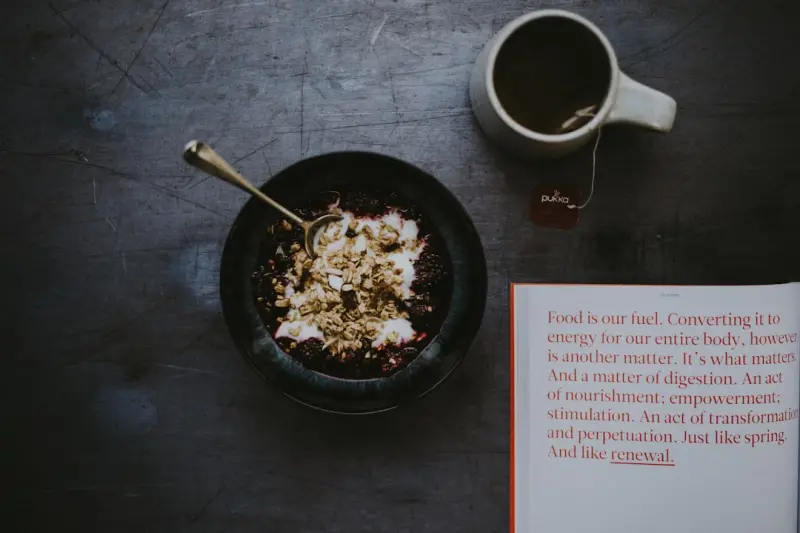
Ever walked into your kitchen, stared at the fridge, and wondered why the same old cravings keep sneaking back? I’ve been there—mid‑afternoon, a cup of coffee in hand, scrolling through a million productivity hacks, and the next thing I know, I’m reaching for another snack. The culprit isn’t the snack itself; it’s the way I’m eating it. In the chaos of modern life, we’ve turned meals into background noise, a quick refuel rather than a ritual. That’s why I’ve started a personal experiment: treating every bite as a tiny meditation, a chance to reset my body’s internal wiring.
Why “Mindful Eating” Isn’t Just a Trend
Mindful eating is more than “slow down and chew your food.” It’s a science‑backed practice that engages the brain’s reward pathways, balances hormones like ghrelin and leptin, and even reshapes the gut microbiome. When you eat on autopilot, your body misses the subtle cues that tell it when it’s truly full or hungry. Over time, that disconnect can lead to overeating, blood‑sugar spikes, and a sluggish metabolism.
Research shows that paying attention to the sensory experience of food—its texture, aroma, and flavor—activates the parasympathetic nervous system, the same branch we stimulate during deep breathing (Breathing Into Balance). The result? A calmer mind, steadier blood sugar, and a feeling of satisfaction that lasts longer.
Setting the Stage: Your Eating Environment
Before you even pick up a fork, think about the environment. Lighting, sound, and even scent can either sharpen your focus or pull you into distraction. I’ve turned my dining table into a Multi‑Sensory Sanctuary—soft, warm lighting, a low‑volume ambient playlist, and a hint of citrus essential oil drifting from a diffuser. The scent of citrus isn’t just pleasant; it can enhance alertness and improve mood, making you more present (The Unexpected Power of Scent).
Tip: Turn off notifications, put your phone in another room, and give yourself a dedicated 20‑minute “meal window.” This mental boundary tells your brain, “Now is the time to eat, not to work.”
The Five‑Step Mindful Eating Framework
- Pause & Breathe – Before the first bite, close your eyes, inhale for four counts, hold for two, exhale for six. This simple breath cue activates the vagus nerve, priming your body for digestion.
- Engage Your Senses – Look at the colors, smell the aromas, feel the texture. Notice how the food feels on your tongue before you chew.
- Chew Thoroughly – Aim for 20–30 chews per bite. This not only breaks down food mechanically but also gives your brain time to register fullness.
- Check In – Halfway through the meal, pause. Ask yourself: “Am I still hungry? Am I enjoying this?” Adjust portion size accordingly.
- Reflect – After the meal, note how you feel—energetic, sluggish, satisfied? This feedback loop helps you fine‑tune future meals.
Technology Meets Mindful Eating
For the tech‑savvy, wearable devices can be allies in this journey. A smartwatch that tracks heart‑rate variability (HRV) can indicate when your nervous system is in a balanced state—perfect for timing a mindful meal. Some newer models even offer real‑time respiration guidance, syncing perfectly with the “Pause & Breathe” step (Wearable Tech Meets Personal Care).
Imagine a scenario: you’re at lunch, your watch vibrates gently, prompting a three‑minute breathing exercise. You follow the cue, reset your autonomic tone, and then dive into your plate with renewed presence. The synergy of biofeedback and mindful eating creates a feedback loop that amplifies the benefits of both.
Mindful Eating and Metabolic Health
When you chew slowly and truly taste each bite, you give your brain time to release insulin in a measured way. This prevents the rapid blood‑sugar spikes that can lead to insulin resistance over time. Moreover, the act of savoring food increases the release of the hormone peptide YY, which signals satiety. In practice, this means you can eat less while feeling just as satisfied.
One anecdote: I swapped my usual rushed 10‑minute sandwich lunch for a 20‑minute salad ritual. Not only did I notice less afternoon slump, but my energy levels stayed more consistent, and I didn’t experience the typical mid‑day cravings for sugary snacks.
Integrating Mindful Eating into Busy Schedules
“I don’t have time” is the most common objection. Here’s how to fit the practice into a packed day:
- Mini‑Mindful Moments: Even a 2‑minute pause before a coffee break can reset your nervous system.
- Batch Prep with Intent: When you prep meals for the week, treat chopping vegetables as a tactile meditation—feel the knife, notice the color changes.
- Snack Redesign: Swap mindless scrolling with a small plate of nuts or fruit, and apply the same sensory check‑in.
Beyond the Plate: Lifestyle Synergy
Mindful eating doesn’t exist in isolation. Pair it with other grounding practices—like short walking meditations after meals—to further aid digestion. A 10‑minute stroll in nature (or even a city park) can stimulate peristalsis, the wave‑like muscle contractions that move food through the gut. The combination of mindful ingestion and gentle movement creates a holistic digestive rhythm.
For those who love data, you can track digestion comfort in a simple journal: note the time, what you ate, and any post‑meal sensations. Over weeks, patterns emerge, revealing which foods and eating speeds work best for your unique biology.
Common Pitfalls & How to Overcome Them
“I’m too hungry to wait.” When you’re truly famished, start with a glass of water infused with a slice of cucumber or lemon. This often reduces the immediate urgency and gives you a moment to initiate the pause.
“I can’t focus on taste.” Begin with foods that have strong flavors—ripe berries, dark chocolate, or aromatic herbs. The intensity makes the sensory experience more noticeable.
“I get bored eating slowly.” Vary textures: crunchy carrots, silky avocado, tender chicken. The contrast keeps your brain engaged.
Measuring Success: What to Look For
Success isn’t just the number on the scale. Look for these subtle shifts:
- Reduced cravings between meals.
- More stable energy levels throughout the day.
- Improved mood and reduced irritability after eating.
- Better sleep quality, as heavy, rushed meals can disrupt circadian rhythms (Recalibrating Your Body Clock).
Conclusion: A Small Shift for a Big Impact
In a world that glorifies speed, the act of slowing down at the dinner table can feel radical. Yet, it’s precisely this intentional pause that re‑aligns our nervous system, balances hormones, and transforms food from mere fuel into nourishment for body and mind. By curating a supportive environment, leveraging subtle tech cues, and committing to a five‑step framework, you can rewrite your relationship with food—one mindful bite at a time.
Give it a try this week. Set the scene, breathe, savor, and watch how your health subtly but powerfully shifts. You might just discover that the most sophisticated health hack is the simplest one: paying attention.

Jimmy Anand is a content creator that gets inspired by many aspects of life, internet or whatever inspires him at that moment. When he's not online he's gaming and when he is not gaming he is online trolling discussion boards.
Related Posts

Breathing Into Balance: Simple Practices That Supercharge Your Body and Mind
Explore the science and practical steps behind breathwork, a zero‑cost health tool that balances t... Read More

Cultivating Health From Your Window: The Science of Indoor Micro‑Gardening
A tiny windowsill garden can become a powerful health ally—cleaning air, providing fresh herbs, an... Read More

Why a Digital Detox Is the New Health Frontier
A deep dive into the hidden costs of constant connectivity and a step‑by‑step guide to a sustain... Read More
Top Posts

How to Craft an Outdoor Reading Sanctuary That Invites Calm and Creativity
Discover how to transform a simple outdoor space into a dedicated reading sanctuary, blending comfortable furniture, strategic lighting, soothing plants, and se...Read More

Smart Space Hacks: Making Every Square Foot Work for You
Learn how to turn a compact home into a versatile sanctuary using convertible furniture, hidden storage, modular layouts, and smart tech—all without breaking ...Read More

Biofeedback Wearables: Your Real‑Time Stress Coach
Learn how to use biofeedback wearables as a real‑time stress coach, interpreting heart‑rate variability and other signals to trigger simple, effective actio...Read More

The Unwritten Rules That Turn an Ordinary Job into a Career Magnet
Learn how to craft a personal narrative, negotiate pay with facts, and build internal networks that make you the go‑to professional in any organization....Read More
0 Comments
Post Comment
You will need to Login or Register to comment on this post!