
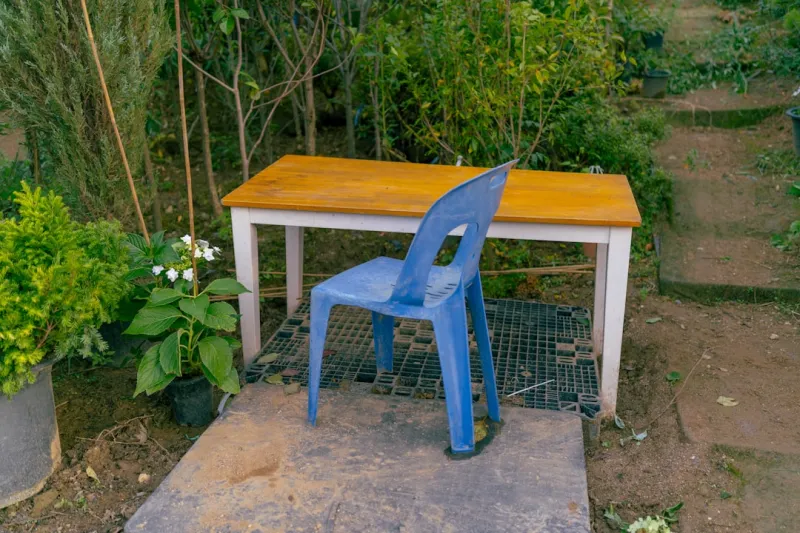
The Rise of Outdoor Workspaces in Modern Employment
In today’s shifting employment landscape, the traditional office wall is giving way to sunlight and fresh air, and I’ve been watching this transformation from the front row of my own backyard. Companies are realizing that a green, open environment can boost morale, spark creativity, and lower turnover rates, turning the mundane grind into a rejuvenating experience. I’ve seen managers swap sterile conference rooms for garden tables, and the ripple effect on team dynamics is undeniable.
When I first set up my garden desk, I didn’t anticipate the ripple effect it would have on my work rhythm, but it quickly became a case study for many of my colleagues. The simple act of stepping outside to answer emails sparked a sense of freedom that no cubicle could match, and the natural backdrop sharpened my focus. If you’re curious about how this shift plays out in real life, check out Why Outdoor Workspaces Are Redefining the Employee Experience for a deeper dive.
Beyond morale, there’s a measurable boost in productivity; studies show that employees who work outdoors report a 15‑20% increase in task completion speed. The secret isn’t just fresh air—it’s the subtle, rhythmic sounds of nature that lull the brain into a state of relaxed alertness. This phenomenon has sparked a new genre of employment perks, where employers subsidize garden furniture and even provide seasonal plant care budgets.
Garden Desks: The New Hub of Home-Based Employment
Remote work has turned many homes into makeshift offices, but the kitchen table is quickly losing its throne to the garden desk, a space where work and life intersect harmoniously. My own garden desk has become the heartbeat of my home, a place where I draft proposals under the shade of a maple while my kids chase fireflies nearby. This arrangement blurs the line between professional and personal in a healthy way, allowing me to step away from the screen without feeling guilty.
For those still skeptical, I recommend exploring Cultivating a Backyard Office: How a Garden Desk Revives Home Life, which illustrates how a simple wooden table can become a productivity oasis. The article outlines practical tips—like ergonomic chair choices and portable power solutions—that make the transition seamless. When the workspace feels like an extension of your living space, you naturally become more engaged and less prone to burnout.
The psychological benefits are profound: natural light regulates circadian rhythms, reducing eye strain and improving sleep quality, while the scent of soil and plants can lower cortisol levels. In my experience, a brief walk to water the herbs becomes a micro‑break that resets mental bandwidth, leading to sharper focus when I return to the laptop. It’s a win‑win that companies are beginning to recognize, rolling out “outdoor work allowance” programs to support their remote teams.
Employment Trends: Why Outdoor Workspaces Are Here to Stay
Looking ahead, the momentum behind outdoor workspaces shows no sign of slowing, as employers chase the dual goals of employee satisfaction and cost efficiency. Leasing a rooftop garden is often cheaper than expanding office square footage, and it sends a powerful message that the organization values holistic well‑being. This trend is especially resonant among younger talent, who prioritize flexibility and a connection to nature when evaluating job offers.
Companies that have already embraced the trend report lower absenteeism and higher retention rates, and they’re seeing a cultural shift toward more collaborative, informal brainstorming sessions. Imagine a team huddle under a pergola, the scent of blooming jasmine mixing with ideas that flow as freely as the breeze. It’s an environment that nurtures innovation without the pressure of a conference room’s whiteboard glare.
As the line between work and lifestyle continues to blur, the garden desk becomes more than a piece of furniture—it’s a symbol of a new employment paradigm where productivity and personal fulfillment coexist. Embracing this shift means rethinking policies, redesigning performance metrics, and investing in outdoor infrastructure that supports both mental health and business goals. The future of work isn’t just digital; it’s also rooted in the earth beneath our feet.

Jimmy Damon loves to right on a large scale of topics with all things Canadian as this Montreal die hard loves hockey. fishing and sports.
Related Posts

Why Letting Employees Map Their Own Careers Is the Smartest Strategy Yet
Giving staff ownership of their professional growth creates a dynamic, self‑directed career map th... Read More

Reimagining the Office: How Flexible Spaces Are Redefining Employee Engagement
Flexible workspaces replace static cubicles with activity‑based zones, empowering employees to cho... Read More

Why Cross‑Functional Rotations Are the Next Competitive Edge
Cross‑functional rotation programs empower employees to gain diverse experience, accelerate innova... Read More
Top Posts
From My Garden Desk: How a Green Workspace is Redefining Home & Garden Living
Jimmy Damon reveals how turning his backyard into a garden office sparked productivity, creativity, and a fresh take on home & garden living—plus a simple blu...Read More

From Soil to Spreadsheet: Why My Garden Is the Future of Employment
Jimmy Damon shares his journey turning a backyard garden into a year‑round home office, revealing why green spaces are the next frontier in flexible employmen...Read More

How an AI Curiosity Coach Can Supercharge Your Everyday Life
Explore the power of an AI curiosity coach that curates content, drives micro‑learning, and shapes your environment for smarter, happier living....Read More
Buzz‑worthy Balconies: Turning Small Spaces into Pollinator Havens
Discover step‑by‑step strategies to create a pollinator‑friendly balcony garden, from assessing light and wind to selecting continuous‑bloom plants, man...Read More
0 Comments
Post Comment
You will need to Login or Register to comment on this post!