
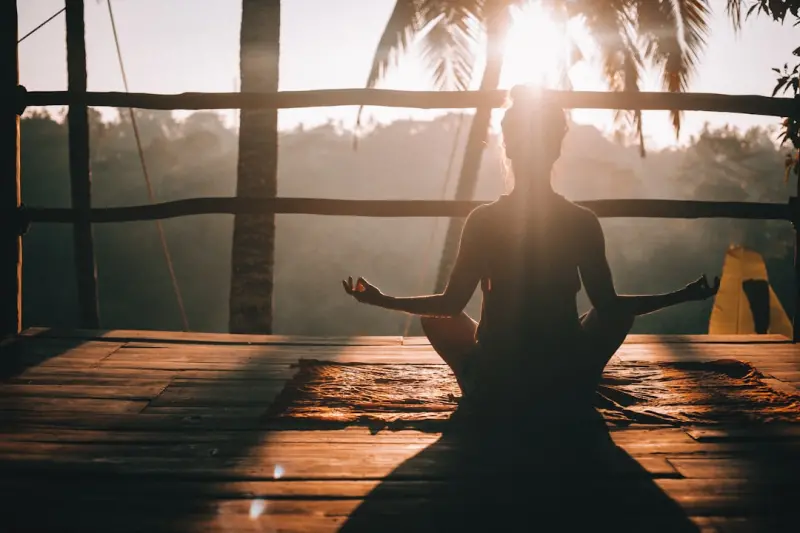
Why Light Matters More Than You Think
When most people think about health, they reach for a smoothie, a new fitness app, or a meditation timer. Rarely do they consider the sky above their window. Yet the humble sunrise is a biochemical powerhouse that silently orchestrates our internal clocks, mood regulators, and even metabolic pathways. In my early days as a product designer, I chased every optimization—tiny UI tweaks, micro‑learning loops, data‑driven hacks. It wasn’t until a colleague nudged me to step outside before my first coffee that I realized the most potent “feature” in my health stack was already running free of charge, 24/7. This post unpacks the science, the habit loop, and the practical steps to turn a few minutes of sunrise exposure into a daily hormone‑balancing ritual.
The Science of Dawn Hormones
Our bodies are tuned to the planet’s rhythm, a relationship forged over millions of years of evolution. The first light of day triggers a cascade that starts in the retina, sending signals to the suprachiasmatic nucleus (SCN)—the master clock in our hypothalamus. From there, the SCN orchestrates the release of cortisol, melatonin suppression, and the activation of serotonin pathways. In lay terms: a sunrise walk tells your body, “It’s time to wake up, be alert, and feel good.” This natural cortisol spike is not the same as the stress hormone surge that fuels anxiety; it’s a brief, controlled surge that primes glucose availability, sharpens cognition, and sets a positive emotional tone for the day.
But the benefits don’t stop there. Early morning light also stimulates the pineal gland to regulate melatonin production later, ensuring deeper, more restorative sleep. In other words, the same sunrise that lifts your mood in the morning also helps you fall asleep more easily at night—a feedback loop that many modern “sleep hacks” try to simulate with artificial light, often with mixed results.
Building a Sunrise Routine That Sticks
Creating a habit that survives the chaos of work emails and family responsibilities requires a clear, simple loop: cue, routine, reward. Here’s a step‑by‑step blueprint you can adapt:
- Cue: Set an alarm 30 minutes before you need to be up. Place your phone across the room so you have to physically get out of bed.
- Routine: Open your curtains or step onto the balcony, and spend at least five minutes soaking in the natural light. No phone, no scrolling—just a brief, mindful exposure.
- Reward: Follow the light exposure with a small, pleasurable action—perhaps a favorite tea, a quick journal entry, or a splash of cold water on your face. The brain links the light cue with the pleasant reward, reinforcing the habit.
If you live in a high‑rise building or a region with limited sunrise visibility during winter, a light‑box that mimics the spectrum of natural daylight (around 10,000 lux) can serve as a surrogate. Just be sure it’s positioned at eye level and used for no more than 20 minutes to avoid overstimulation.
Common Pitfalls and How to Avoid Them
Even the most motivated individuals stumble. Below are the three most frequent obstacles and practical fixes:
- “I don’t have time.” The key is to treat the sunrise exposure as a non‑negotiable micro‑task, similar to brushing your teeth. It only takes five minutes, but the downstream benefits multiply over the day.
- “It’s cloudy.” Overcast skies still provide sufficient blue light to activate the SCN. In fact, a cloudy morning can be gentler on the eyes while still delivering the hormonal cue.
- “I’m too sleepy to get up early.” Pair the sunrise routine with a short, energizing stretch or a few deep breaths (more on that later). The movement jump‑starts circulation, making the transition from sleep to wakefulness smoother.
Integrating Mind‑Body Practices for Amplified Gains
Sunlight isn’t a standalone solution; it shines brightest when paired with complementary mind‑body techniques. For example, after your light soak, try a brief breath‑focused session. The latest research shows that intentional breathing, especially when paired with wearable biofeedback, can fine‑tune your stress response. Dive deeper into that concept in biofeedback breathing techniques. The synergy between light‑induced serotonin spikes and paced breathing creates a calm, alert state that’s ideal for tackling complex tasks.
Another powerful layer is the practice of rewriting your inner dialogue. As you bask in the morning light, you can mentally rehearse positive affirmations or set a micro‑goal for the day. This mental framing, when anchored to a physiological cue (the sunrise), helps cement new neural pathways that support resilience and optimism.
Finally, consider sprinkling in a dash of playful creativity after your light and breath work. Sketch a quick doodle, hum a tune, or brainstorm a whimsical idea unrelated to work. This playful interlude taps into the brain’s reward circuitry, reinforcing the habit loop and preventing the routine from feeling like a chore.
Beyond Hormones: Ripple Effects on Physical Health
Consistent sunrise exposure has been linked to improved insulin sensitivity, lower blood pressure, and enhanced immune function. The hormone cortisol, when released in the appropriate morning window, helps mobilize glucose and supports metabolic processes. Meanwhile, higher daytime serotonin levels can reduce inflammation—a key factor in chronic disease prevention. Over weeks, many people report fewer mid‑day energy crashes, a steadier appetite, and even a subtle improvement in skin clarity, all traceable back to the rhythmic alignment of light and hormone cycles.
Designing Your Personal Sunrise Space
Environment matters. If you can, dedicate a small “sunrise nook” near a window. Keep a comfortable chair or a standing mat, a journal, and perhaps a small plant that thrives on morning light. The visual cue of a thriving green leaf can reinforce the feeling of growth and vitality, turning a simple routine into a sensory experience. If indoor space is limited, a balcony or a nearby park bench works just as well—nature’s backdrop adds an extra layer of grounding.
Measuring Success Without Obsessing Over Numbers
You don’t need a sophisticated health tracker to know if this habit is paying off. Pay attention to subjective markers: a calmer mind upon waking, steadier energy levels, fewer afternoon cravings, and an easier time falling asleep at night. If you’re a data enthusiast, a simple mood‑tracking app can help you chart trends over weeks, but remember that the most meaningful metrics are the ones you feel in your body, not the numbers on a screen.
Takeaway: Light Is the Original Health Hack
In a world obsessed with gadgets, supplements, and apps, the sunrise stands out as the most accessible, cost‑free health hack on the planet. By anchoring your day to this natural cue, you tap into a cascade of hormonal, metabolic, and psychological benefits that no synthetic solution can fully replicate. Start small—five minutes of mindful light exposure, a breath practice, a quick journal entry, and a splash of playful creativity. Over time, those micro‑actions compound into a resilient, balanced, and energized you.

Tyler Johnson is a seasoned freelance writer with a keen eye for detail and a passion for crafting compelling narratives. His years of experience have honed his ability to adapt his style to suit diverse client needs and project requirements.
Related Posts

Why Your Home’s Light Palette Is Sabotaging Your Sleep (And How to Fix It)
Explore the hidden ways indoor lighting disrupts your circadian rhythm and follow a step‑by‑step... Read More

Sleep Smarter: Night‑time Strategies for a Sharper Day
A practical guide to mastering sleep through light management, breathwork, consistent rituals, and a... Read More

Forest Bathing: Unlocking Immune Strength and Calm in a Fast‑Paced World
Forest bathing, a mindful immersion in nature, offers measurable immune benefits and stress reductio... Read More
Top Posts

Travel as a Storytelling Sprint: Turning Journeys into Narrative Power‑Ups
Learn to treat each trip as a focused storytelling sprint, using sensory immersion, real‑time capture, and smart tools to create vivid narratives that boost c...Read More

How a Portable Storytelling Toolkit Turns Every Trip Into a Living Narrative
Explore how a simple portable toolkit can transform your travels into vivid, shareable stories—capturing sounds, sketches, and moments wherever you roam....Read More
The Portfolio Career Playbook: Turning Multiple Gigs into a Sustainable Full‑Time Life
Learn the step‑by‑step roadmap to build a thriving portfolio career, balancing flexibility, legal safeguards, and financial planning for long‑term success...Read More
Zero‑Waste Bathroom: A Personal Care Revolution
A step‑by‑step guide to building a zero‑waste bathroom, featuring sustainable product swaps, DIY recipes, and tips for aligning personal care routines wit...Read More
0 Comments
Post Comment
You will need to Login or Register to comment on this post!