
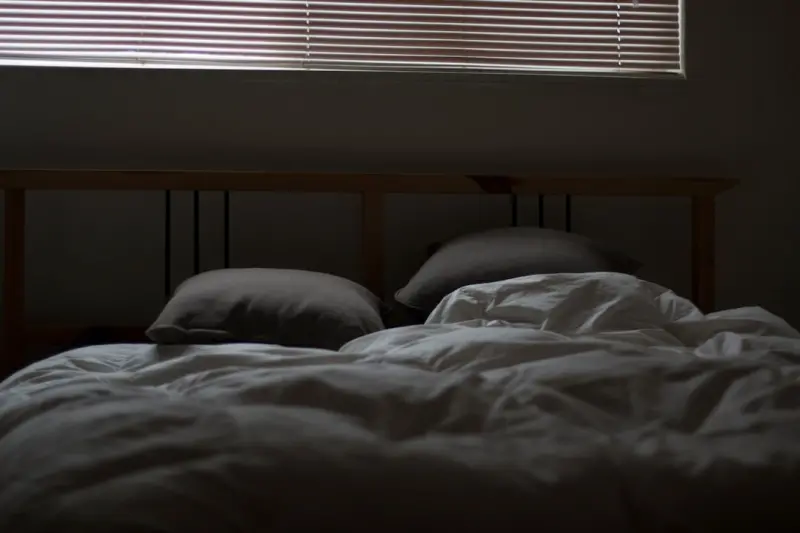
Why Your Home’s Light Palette Is Sabotaging Your Sleep (And How to Fix It)
When I first moved into my downtown loft, I fell in love with the floor‑to‑ceiling windows that flooded the space with daylight. It felt like living inside a giant glass lantern—bright, airy, and undeniably modern. But after a few weeks, I started noticing a subtle, yet persistent, dip in my energy after sunset. I was scrolling on my phone late into the night, feeling restless, and the next morning my alarm felt like a hammer. I didn’t realize it at the time, but the very light that made my loft feel alive was also quietly hijacking my natural sleep rhythm.
Welcome to the world of light palette design—the intentional curation of artificial and natural lighting to support our circadian health. While most of us think of “good lighting” in terms of aesthetics or productivity, the science tells a different story: the color temperature, intensity, and timing of the light that surrounds us can either reinforce our internal clock or throw it into chaos.
Understanding the Circadian Symphony
Our bodies are governed by a 24‑hour internal clock known as the circadian rhythm. This master conductor synchronizes hormone release, body temperature, metabolism, and, most importantly for this article, the production of melatonin—the hormone that tells us it’s time to wind down. Light is the primary cue, or zeitgeber, that resets this clock each day.
- Blue‑rich light (≈ 460‑480 nm) mimics the midday sun and signals the brain to stay alert.
- Warm, amber light (≈ 2700‑3000 K) resembles the golden hour and encourages the brain to start producing melatonin.
- Darkness is the ultimate cue for deep, restorative sleep.
When we expose ourselves to high‑intensity blue light in the evening—think smartphones, tablets, or harsh LED fixtures—we effectively tell our bodies that it’s still daytime. The result? Delayed melatonin release, fragmented sleep, and a cascade of downstream effects such as reduced glucose tolerance, heightened stress hormones, and impaired memory consolidation.
The Modern Light Landscape: Hidden Triggers
Unlike the natural sun, which rises and sets predictably, our built environments often deliver a constant barrage of light. Here are the most common offenders:
- Smart bulbs set to “daylight” mode after dusk. Many of us love the convenience of adjusting color temperature with a voice command, but leaving those bulbs on at 5 p.m. keeps our brains in “work mode.”
- Backlit screens. The blue‑rich glow from laptops, phones, and even TV screens is a well‑documented sleep disruptor.
- LED ceiling fixtures with high CRI (Color Rendering Index). While they render colors beautifully, they also emit a stronger blue spectrum than traditional incandescent bulbs.
- Under‑cabinet and task lighting in kitchens. Even if you’re only prepping a midnight snack, that bright white light can reset your circadian clock.
What’s especially insidious is that we often don’t notice these cues. The light feels “neutral” or “pleasant,” so our brain doesn’t register it as a signal to stay awake.
Designing a Sleep‑Friendly Light Palette
Now that we’ve identified the culprits, let’s turn the problem into a design opportunity. Below is a step‑by‑step guide to reshaping your home’s lighting for optimal sleep health.
1. Map Your Light Zones
Start by dividing your home into three primary zones: daylight‑rich (morning to early afternoon), transition (late afternoon to early evening), and night‑time (post‑sunset). Walk through each room and note the sources of light—overhead fixtures, lamps, screens, and windows.
2. Embrace Dynamic Lighting Systems
If you love tech, consider smart lighting that automatically adjusts color temperature based on the time of day. Many platforms allow you to set “sunset mode” at a specific hour, shifting from cool white to a soothing amber hue. However, remember to program the system to dim gradually; abrupt changes can be just as jarring as static bright light.
3. Prioritize Warm Light After 6 PM
Swap out any remaining “daylight” bulbs for warm‑white (≤ 3000 K) alternatives. Incandescent or low‑temperature LEDs provide the cozy glow that encourages melatonin production without sacrificing visibility.
4. Create a “Screen‑Free” Buffer
Designate the hour before bed as a screen‑free zone. Replace scrolling with analog activities—reading a printed book, journaling, or gentle stretching. If you must use a screen, enable night‑mode settings that reduce blue light output.
5. Optimize Bedroom Lighting
In the bedroom, aim for minimalism. Use a single low‑intensity lamp with a warm shade, or install a circuit‑controlled dimmer that lets you reduce brightness to 10‑15 % before sleep. Consider blackout curtains to block any residual streetlight—complete darkness is the gold standard for melatonin synthesis.
6. Leverage Natural Light During the Day
During daylight hours, maximize exposure to natural light. Open curtains, sit near windows, and even step outside for a quick walk. The stronger the daytime light signal, the more pronounced the contrast with evening darkness, reinforcing a robust circadian rhythm.
7. Introduce “Biophilic” Light Touches
While we’re steering clear of a full “houseplant” deep‑dive (see the forest bathing post for why greenery matters), consider adding a few low‑maintenance plants near windows. They can subtly filter harsh daylight, creating a softer, more diffused glow that reduces eye strain without compromising the circadian benefits of natural light.
Beyond Light: Complementary Habits for Sleep Resilience
Lighting is only one piece of the puzzle. Pair your revamped light palette with these proven sleep‑supporting habits:
- Consistent bedtime routine. Aim for the same sleep and wake times—even on weekends.
- Evening hydration. A glass of water can prevent nocturnal awakenings, but avoid large volumes that may cause bathroom trips.
- Temperature control. Keep your bedroom between 60‑67 °F (15‑19 °C) for optimal thermoregulation.
- Mindful wind‑down. Light stretching, gratitude journaling, or a short meditation can transition the nervous system into “rest mode.”
Measuring Success: Tracking Your Sleep Improvements
If you’re skeptical, let data speak. Many wearable devices now provide sleep stage breakdowns, heart‑rate variability, and even ambient light exposure metrics. Use these insights to fine‑tune your lighting schedule:
- Identify nights with the deepest slow‑wave sleep (the most restorative phase).
- Cross‑reference those nights with your lighting habits—were you using warm light after 7 p.m.? Was your bedroom completely dark?
- Iterate. Small adjustments—like dimming a bedside lamp by 20 %—can yield measurable gains in sleep efficiency.
Case Study: From Light‑Induced Insomnia to Restful Nights
One of my clients, a senior product manager at a fast‑growing SaaS firm, reported chronic fatigue despite “getting enough hours” of sleep. After a lighting audit, we discovered:
- His home office used a cool‑white LED panel from 6 p.m. onward.
- His bedroom lamp emitted a bright, high‑CRI glow, and his nightstand featured a tablet left on “daylight” mode.
We implemented a phased approach:
- Switched the office panel to a warm‑white setting after 5 p.m.
- Added a dimmable amber lamp to the bedroom and installed blackout curtains.
- Created a “no‑screen” rule 60 minutes before bed, substituting the tablet with a paper notebook.
Within two weeks, his sleep tracker recorded a 25 % increase in total deep sleep, and he reported feeling “refreshed” each morning. The takeaway? Even incremental lighting tweaks can translate into tangible health outcomes.
Future Trends: Adaptive Light Environments
Looking ahead, we’ll see an influx of circadian‑responsive technologies—walls that shift hue based on the time of day, windows that tint automatically, and AI‑driven lighting that learns your personal rhythm. While these innovations are exciting, the core principle remains unchanged: align your environment with nature’s light cycle.
Until those smart walls become mainstream, you have everything you need right now: a few thoughtful lighting choices, a willingness to experiment, and the curiosity to listen to your body’s signals.
Take the First Step Tonight
Tonight, dim your overhead lights to a warm amber, switch off that phone, and enjoy a good book under a soft lamp. Tomorrow morning, notice how quickly you feel refreshed—no snooze button required. Your light palette isn’t just a design aesthetic; it’s a health tool you can wield every day.
Remember, the journey to better sleep starts with a single switch.

Laura Wilson is a freelance writer specializing in the dynamic and ever-evolving field of health. With a passion for translating complex medical information into accessible and engaging content, Laura brings a wealth of knowledge and a fresh perspective to topics ranging from preventative care and nutrition to cutting-edge research and innovative treatments.
Related Posts

Why Laughter Is the Unexpected Prescription for Modern Stress
Laughter isn’t just a mood booster; it’s a powerful health tool. This article dives into the neu... Read More
Micro‑Habits That Supercharge Your Longevity
David Moore explains how tiny, two‑minute actions—like calf raises while waiting for a meeting o... Read More

Cold Water Immersion + Breathwork: The Dual Reset for Modern Wellness
A concise guide to pairing cold water immersion with intentional breathwork, explaining the science,... Read More
Top Posts
Why Garden Desks Are the Secret to a Thriving Home & Garden Life
A garden desk can reshape your daily routine, blending nature, work, and wellness into a harmonious sanctuary that fuels creativity and career growth....Read More

Unlocking Calm: Breathwork Techniques for the Modern Professional
Learn how three easy breathing exercises can lower stress, enhance focus, and improve emotional resilience, with practical tips for integrating them into a hect...Read More

Unlocking the Skin Microbiome: A New Frontier in Personal Care
A deep dive into the skin microbiome reveals how nurturing our skin’s native microbes can transform personal care, offering science‑backed routines, wearabl...Read More
Cultivating Calm: Turn Any Nook into a Thriving Indoor Garden
Discover how to turn overlooked spaces into thriving indoor gardens using smart tools, design principles, and easy‑care plants, boosting both home aesthetics ...Read More
0 Comments
Post Comment
You will need to Login or Register to comment on this post!