
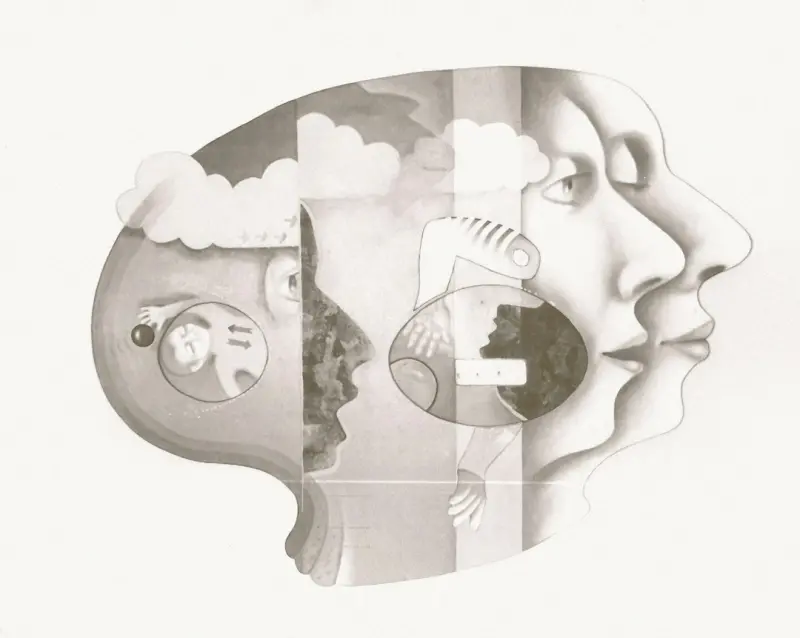
Why Stories Matter More Than Ever for Your Mental Health
When we think about mental health, the first things that come to mind are often therapy sessions, meditation apps, or maybe a new supplement. But there’s a quieter, more personal practice that can reshape the way our brains process stress, grief, and everyday overwhelm: storytelling. Not the polished narratives you might share on a stage, but the raw, unfinished drafts you keep in a journal, a voice memo, or even a doodle on a napkin. The act of turning experience into story is a fundamental human skill, and it’s a surprisingly effective mental health tool.
The Science Behind Narrative and the Brain
Neuroscientists have discovered that when we construct a story, several regions of the brain light up in synchrony: the hippocampus (memory), the amygdala (emotion), and the prefrontal cortex (planning and perspective). This coordinated activity helps us re‑frame raw sensations into something we can understand and, crucially, regulate.
Think of a stressful meeting. Without narrative, the memory sits as a jagged spike of adrenaline in the amygdala. When you later write “I felt rushed and unheard, but I managed to ask two clarifying questions,” you’re giving the hippocampus a storyline that the prefrontal cortex can evaluate. The result? The emotional intensity dulls, and you gain actionable insight.
From Chaos to Coherence: The Core Steps of Narrative Therapy
- Capture the Moment. Whether it’s a quick voice note or a bullet‑point list, get the raw data out of your head before it evaporates.
- Identify the Emotional Core. Ask yourself: what feeling is most prominent? Fear? Frustration? Surprise?
- Find the Turning Point. Every story has a pivot—a decision, a revelation, a shift in perspective. Pinpoint it.
- Re‑author the Outcome. Instead of “I failed,” try “I learned that I need clearer expectations.” This subtle shift rewires the brain’s response.
- Share (Optional). If you trust someone, voicing the story can amplify its therapeutic power, creating a feedback loop of validation and new insight.
Storytelling As a Daily Habit, Not a One‑Off Exercise
Consistency is key. Just as you wouldn’t expect a single jog to boost cardio, a solitary story won’t overhaul mental resilience. The goal is to weave narrative creation into everyday routines—perhaps right after your morning coffee or before bedtime. Over time, you’ll notice a mental “muscle” strengthening, making it easier to process bigger challenges.
Integrating Narrative Work with Existing Mental Health Practices
Many of us already practice mindfulness, journaling, or cognitive‑behavioral techniques. Storytelling can dovetail with these:
- Mindfulness + Narrative. After a breathing session, jot down the sensations you felt and frame them as a brief story. This solidifies the present‑moment experience.
- Cognitive‑Behavioral Therapy (CBT) + Narrative. CBT often asks you to identify cognitive distortions. Turning those distortions into a story allows you to see the pattern in action, making it easier to challenge.
- Physical Exercise + Narrative. After a workout, write about the physical sensations and the mental narrative that accompanied them (e.g., “I felt tired, but I pushed through, proving I can handle discomfort”).
Using Narrative to Combat Digital Overload
We live in a hyper‑connected world where notifications compete for our attention, and it’s easy to feel mentally fragmented. One strategy is to create a “digital debrief” narrative each evening: summarize your screen time, highlight any stress triggers, and end with a hopeful or constructive note. This practice creates a mental boundary, signaling to your brain that the day’s digital hustle is now a story you’ve filed away.
For those looking to deepen the practice, consider exploring resources on recognizing and recharging mental fatigue. Understanding when your brain’s bandwidth is maxed out will help you decide the optimal moments for narrative reflection.
Storytelling as a Tool for Emotional Agility
Emotional agility—the ability to navigate feelings without being stuck—is a hallmark of mental wellness. Narrative helps by externalizing emotions, turning them from internal monologue into a story you can edit. When you see an emotion as a chapter, you realize it’s not the whole book.
Consider a recurring anxiety about public speaking. By crafting a story where you first felt the anxiety, then rehearsed, stumbled, and finally delivered a solid point, you create a mental rehearsal that reduces the fear response the next time you step onto a stage.
Micro‑Narratives: Tiny Stories With Big Impact
Not every story needs to be an epic. Micro‑narratives—one‑sentence snapshots—can be especially useful during high‑stress moments. A simple line like “I felt overwhelmed, but I took one breath and wrote down the next step” can act as a quick mental reset button.
These bite‑sized narratives also pair nicely with unconventional health tools such as aromatherapy or ambient lighting. Pair a calming lavender scent with a micro‑narrative about grounding, and you create a multisensory cue that reinforces the mental reset.
Storytelling for Teams: Building Collective Resilience
While this piece focuses on personal practice, the power of narrative extends to groups. In a workplace, teams can hold “story circles” where members share brief reflections on a project’s challenges and wins. This not only validates individual experiences but also builds a shared narrative that frames setbacks as collective learning opportunities.
When teams co‑create a story, they develop a sense of psychological safety—a critical ingredient for mental health. It signals that emotions and mistakes are part of the narrative, not anomalies to be hidden.
Common Pitfalls and How to Avoid Them
- Over‑Analyzing. The goal isn’t to create a perfect literary masterpiece. Keep it authentic, not polished.
- Staying Stuck in Negative Loops. If you notice your stories repeatedly end in self‑criticism, pause and deliberately insert a re‑authoring step that introduces a neutral or positive twist.
- Neglecting Privacy. Not every story should be shared. Protect your mental boundaries by deciding which narratives stay private.
Practical Tools to Get Started
Here are a few low‑tech options to launch your narrative habit:
- Bullet Journaling. Use a dedicated “Story” section to capture daily micro‑narratives.
- Voice Memos. Record a quick rundown of a stressful event and play it back later to hear your own perspective.
- Digital Notebooks. Apps like Notion or Evernote let you tag stories for easy retrieval—useful when you want to see patterns over weeks.
- Visual Storyboarding. Sketch a simple comic strip of a challenging moment and the resolution you envision.
Measuring the Impact: When Do You Know It’s Working?
Unlike a quantifiable metric like steps taken, narrative impact feels more subjective, but there are tangible signs:
- Reduced Rumination. You notice fewer “what‑ifs” looping in your mind.
- Increased Clarity. Decisions feel more straightforward after you’ve written them out.
- Emotional Detachment. You can view stressful events as chapters, not personal failures.
- Better Sleep. A nightly narrative ritual often leads to quieter thoughts at bedtime.
Tracking these shifts in a simple log can reinforce the habit and provide motivation to keep writing.
Conclusion: Your Brain is a Storyteller, Let It Lead
Our minds are wired for narrative. By intentionally shaping the stories we tell ourselves, we can soften stress, sharpen focus, and cultivate a resilient mental landscape. Whether you’re a busy professional navigating endless meetings, a parent juggling school runs, or anyone feeling the weight of modern life, the humble practice of storytelling offers a portable, low‑cost, and profoundly human path to mental well‑being.
Start small. Capture one moment, give it a simple arc, and notice how the mental weight lifts. Over weeks, you’ll find that the stories you craft become a trusted companion—a mental health ally that’s always within reach.

Shawn DesRochers is a certified Microsoft technician and Programmer with 30+ year's experience. He has written many reviews on computer related products, software, and SEO related topics. When he's not writing reviews he can be found at one of the Oldest Directories Online Blogging Fusion Business Directory which he is the CEO of.
Related Posts
Playful Pauses: Boosting Mental Health at Work
Learn how integrating tiny, fun activities—like quick sketches, word games, and micro‑puzzles—... Read More
Micro‑Tuning Your Mind: How Tiny Practices Outsmart Everyday Stress
Explore how small, intentional practices—like micro‑reset breaths, sensory anchors, and narrativ... Read More

Cooking Together: How Shared Meals Rewire Stress and Build Connection
Explore the mental‑health benefits of cooking with friends, from stress‑relieving rituals to bra... Read More
Top Posts

From Lawn to Larder: Creating a Home Food Forest
Turn your ordinary yard into a productive food forest by layering fruit trees, shrubs, herbs, and ground‑covers. Learn site assessment, plant selection, water...Read More

Breathing Into Health: Simple Practices to Rewire Stress and Boost Immunity
A practical guide to using breathwork for stress reduction, immune support, and mental clarity, featuring easy-to-implement techniques and a one‑week starter ...Read More

Cold Exposure: Tiny Chills, Big Wellness Wins
Explore the surprisingly powerful health perks of everyday cold exposure—from icy showers to brief outdoor chills—and how to safely add these tiny temperatu...Read More

Micro‑Movements at the Desk: Tiny Exercises That Turbocharge Health
Micro‑movements are brief, intentional actions you can do at your desk to combat the effects of sitting, improve circulation, and enhance both physical and em...Read More
0 Comments
Post Comment
You will need to Login or Register to comment on this post!