
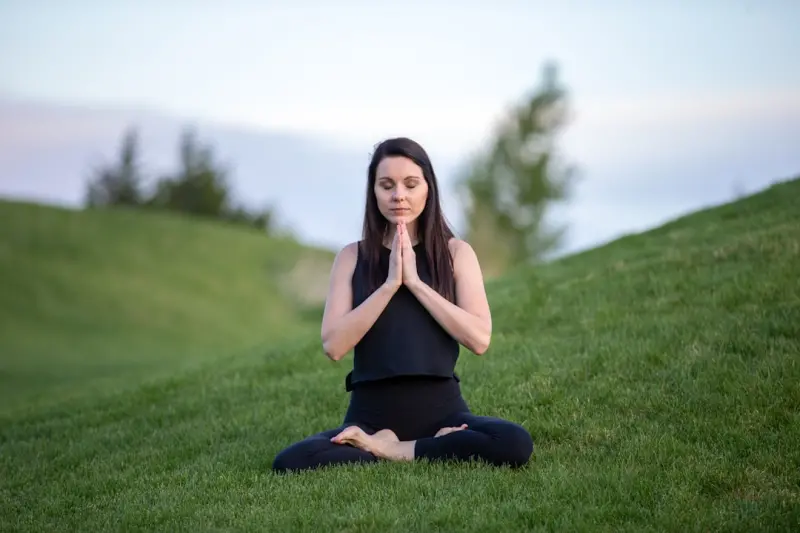
When I first stumbled onto a quiet corner of my office and realized how much of my day was spent hunched over a screen, I felt a subtle, almost imperceptible shift in my body. My shoulders tightened, my breathing became shallow, and a low‑grade anxiety settled in the back of my mind like static. I didn’t know it at the time, but I had been living in a perpetual state of “partial respiration.” The good news? It’s a habit that can be rewired with something as simple—and as powerful—as the breath.
Why Breath Matters More Than You Think
Breathing is the one involuntary rhythm that we can also control. This dual nature makes it a unique lever for health. When we breathe shallowly, our diaphragm stays idle, oxygen exchange is limited, and the parasympathetic nervous system—our natural “rest‑and‑digest” mode—fails to activate fully. Over time, this creates a cascade of effects:
- Reduced immune efficiency: Shallow breaths limit the oxygen available for immune cells, diminishing their ability to patrol and respond.
- Elevated stress hormones: A cramped breathing pattern signals danger to the brain, prompting the release of cortisol and adrenaline.
- Impaired cognitive function: The prefrontal cortex, responsible for focus and decision‑making, thrives on steady oxygen flow.
- Disrupted sleep cycles: Poor nighttime breathing can skew the body’s circadian rhythm, making restorative sleep elusive.
All of these symptoms masquerade as “just being busy” or “a bit stressed.” The truth is that a conscious breath practice can hit these pain points head‑on, resetting the body’s baseline without a single pill.
The Science Behind Breathwork
Researchers have been dissecting the impact of breath for decades. A handful of key findings illustrate why intentional breathing isn’t a wellness fad—it’s a physiological necessity:
- Diaphragmatic activation: Deep belly breathing stimulates the vagus nerve, a major conduit for parasympathetic signals that calm heart rate and blood pressure.
- CO₂ tolerance: Controlled breathing improves the body’s tolerance to carbon dioxide, which in turn enhances oxygen delivery to tissues (the cold therapy benefits hinge on a similar principle).
- Neuroplasticity: Repeated breath patterns rewire neural pathways, making calm responses the default rather than the exception.
These mechanisms converge to create a robust shield against everyday stressors, boost immunity, and sharpen mental clarity—exactly what we need in a world that demands constant multitasking.
Four Breath Practices You Can Slip Into Your Day
Below are four evidence‑based techniques that require less than five minutes each. Feel free to mix, match, and experiment to discover which resonates most with your body and schedule.
1. Box Breathing (4‑4‑4‑4)
This classic method, favored by athletes and even elite pilots, consists of four equal phases: inhale, hold, exhale, hold—each lasting four seconds.
- How to do it: Sit upright, close your eyes, and inhale through the nose for a count of four. Hold the breath for four, exhale slowly through the mouth for four, then hold again for four before repeating.
- Why it works: The structured pause trains the nervous system to tolerate brief periods of low oxygen, which reduces the startle response associated with stress.
2. 5‑5‑5 Breath (Three‑Second Rule)
Perfect for moments of sudden anxiety, the 5‑5‑5 breath is a quick reset button.
- How to do it: Inhale for five seconds, hold for five, then exhale for five. Repeat three times.
- Why it works: The elongated exhale signals the brain to shift into “rest‑and‑digest,” immediately lowering heart rate.
3. Diaphragmatic “Belly” Breath
Often confused with shallow chest breathing, diaphragmatic breath fully engages the belly, creating a gentle rise and fall.
- How to do it: Place one hand on your chest and the other on your abdomen. Inhale through the nose, feeling the belly expand under your hand. Exhale slowly, allowing the belly to fall.
- Why it works: This technique maximizes lung capacity and triggers the vagus nerve, fostering a deep sense of calm.
4. Resonance Breathing (Coherent Breathing)
Also known as “coherent breathing,” this method aligns heart rate variability (HRV) with breath cycles, a sweet spot for physiological harmony.
- How to do it: Breathe at a rate of five breaths per minute—inhale for six seconds, exhale for six seconds. Use a timer or a breathing app if needed.
- Why it works: Studies show that resonance breathing can increase HRV, a marker of resilience and cardiovascular health.
Integrating Breathwork Into Your Routine
Now that you have a toolbox, the next challenge is consistency. Here are three pragmatic ways to embed these practices into daily life without feeling like you’re adding another task:
- Micro‑moments before transitions: Use the 5‑5‑5 breath while waiting for a meeting to start, before you step into a presentation, or as you transition from work to home.
- Desk‑friendly cues: Keep a sticky note on your monitor that reads “Breathe.” When you see it, perform a single round of box breathing.
- Pair with habitual actions: Link breathwork to activities you already do—brush your teeth, make coffee, or stretch in the morning. The habit loop (cue‑routine‑reward) cements the practice.
Consistency is the secret sauce; even a minute or two a day compounds over weeks, gradually rebalancing your autonomic nervous system.
Breathwork and the Immune System: A Deeper Dive
Beyond immediate stress relief, intentional breathing directly influences immune function. A study published in the Journal of Clinical Psychology found that participants who practiced diaphragmatic breathing for eight weeks showed a 30% increase in natural killer cell activity—the body’s frontline defense against viruses.
Another fascinating link is the relationship between breath and the gut microbiome. The vagus nerve, stimulated by deep breathing, communicates with the enteric nervous system (the “second brain” in the gut). This bidirectional signaling can modulate inflammation, a core driver of chronic disease. While the research is still emerging, early data suggest that regular breath practices can foster a more balanced microbiome, indirectly supporting mood and metabolic health.
Combining Breathwork With Other “Feel‑Good” Hacks
If you’re already exploring wellness avenues, you’ll notice a natural synergy between breathwork and other modalities:
- Cold exposure: The shock of cold water triggers a surge of adrenaline, which can be tempered by a calming breath cycle afterward, preventing over‑activation of the stress response (healing power of awe often amplifies this balance).
- Movement: Gentle yoga flows, especially those emphasizing “Ujjayi” or “victorious breath,” combine stretch and breath to amplify flexibility and mental clarity.
- Nature immersion: Walking in a park while practicing rhythmic breathing can deepen the restorative effects of green space, a principle explored in the five‑senses garden concept.
Think of breathwork as the connective tissue that ties these practices together, ensuring each one lands with maximum impact.
Common Pitfalls and How to Dodge Them
Even the most enthusiastic breathers can stumble. Here are three frequent mistakes and quick fixes:
- Racing the breath: When you try to “force” deeper breaths, you often hyperventilate. Focus instead on gentle expansion, allowing the inhale to flow naturally.
- Neglecting posture: Slouching compresses the diaphragm. Sit upright, roll your shoulders back, and keep the spine elongated before you begin.
- Skipping exhalation: The exhale is where the magic happens—don’t rush it. Extend the out‑breath a bit longer than the in‑breath to fully engage the parasympathetic system.
Measuring Your Progress Without a Lab
You don’t need a fancy device to see if breathwork is working. Simple self‑checks can serve as reliable barometers:
- Heart rate variability (HRV): Some smartwatch apps give you a daily HRV score; an upward trend usually signals improved autonomic balance.
- Mood journal: Note how you feel before and after each breath session. Over time, you’ll likely notice reduced irritability and sharper focus.
- Sleep quality: Track bedtime and wake‑up consistency. Better breathing often translates to deeper, more restorative sleep.
From Theory to Practice: A One‑Week Starter Plan
Ready to test the waters? Here’s a concise plan that blends the four techniques into a manageable schedule.
| Day | Morning (5 min) | Afternoon (2 min) | Evening (3 min) |
|---|---|---|---|
| Monday | Box Breathing | 5‑5‑5 Breath | Diaphragmatic Breath |
| Tuesday | Resonance Breathing | Box Breathing | 5‑5‑5 Breath |
| Wednesday | Diaphragmatic Breath | Resonance Breathing | Box Breathing |
| Thursday | 5‑5‑5 Breath | Diaphragmatic Breath | Resonance Breathing |
| Friday | Box Breathing | 5‑5‑5 Breath | Diaphragmatic Breath |
| Saturday | Resonance Breathing | Box Breathing | 5‑5‑5 Breath |
| Sunday | Free Choice (pick your favorite) | Free Choice | Free Choice |
Adjust the timing based on your schedule. The key is to maintain at least one session per day. By the end of the week, you’ll likely notice a subtle shift in how you react to emails, traffic, or that lingering afternoon slump.
Wrapping Up: Your Breath, Your Superpower
In a culture that celebrates multitasking, the simplest, most under‑appreciated tool for health is the breath that moves in and out of us every second of the day. By treating it as a deliberate practice rather than an automatic function, you unlock a cascade of benefits—from immune resilience and better sleep to sharper cognition and a calmer nervous system.
So the next time you find yourself reaching for a coffee or a quick scroll through your phone, pause. Place a hand on your belly, inhale for a count of four, hold, exhale for four, and repeat. Your body will thank you, and you’ll discover that the most profound health hack is one you’ve been carrying inside you all along.

When it comes to the world of blogging and writing, Rose DesRochers is a name that stands out. Her passion for creating quality content and connecting with her audience has made her a trusted voice in the industry. Aside from her skills as a writer and blogger, Rose is also known for her compassionate nature.
Related Posts

Strategic Power Naps: Unlocking Brain and Body Performance
A concise guide to mastering power naps, with science‑backed tips on timing, environment, and inte... Read More

Reboot Your Brain: The Surprising Power of Sensory Reset
A deep dive into sensory reset: learn why dimming lights, silencing noise, and gentle touch can refr... Read More

Beyond the Desk: Unconventional Ways to Boost Your Immune Resilience
Explore fresh, actionable health habits that go beyond typical wellness advice, focusing on air qual... Read More
Top Posts

AI’s Quiet Power: Redefining Empathy in Customer Service
Discover how AI can boost genuine empathy in customer support by analyzing tone, context, and even ambient sound, turning routine interactions into meaningful, ...Read More

Reclaiming Play: How Adult Fun Fuels Mental Well‑Being
Discover why integrating playful activities into daily routines can rewire the brain, improve mood, and enhance productivity, offering a fresh, science‑backed...Read More

Creating a Captivating Night Garden: Light, Fire, and Fragrance After Dusk
Learn to turn your garden into a nighttime sanctuary with layered lighting, fire pits, moon‑blooming scents, and soothing sounds for a truly magical after‑d...Read More

Heat‑Infused Personal Care: Turning Warmth Into Your Daily Wellness Ally
Discover the science and practical steps behind using everyday heat tools—from warm washcloths to infrared lamps—to enhance skin health, relax muscles, and ...Read More
0 Comments
Post Comment
You will need to Login or Register to comment on this post!