
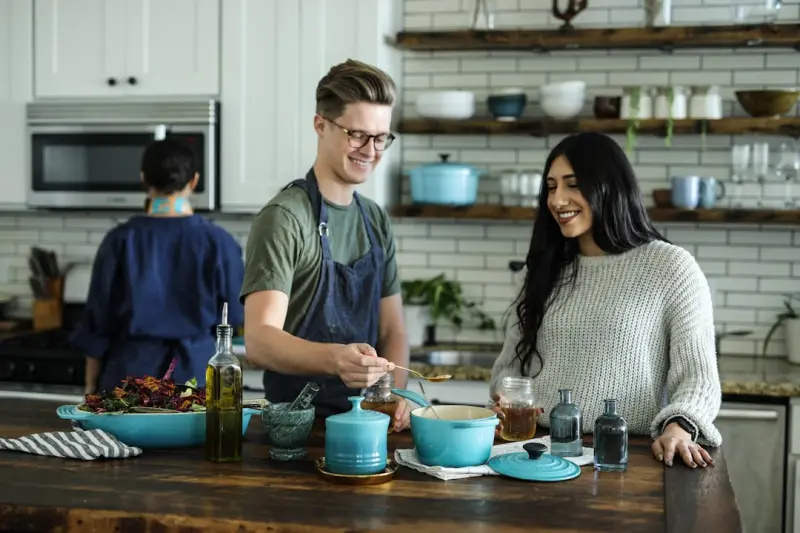
Why the Kitchen Becomes a Sanctuary for the Mind
When the aroma of simmering broth fills a modest apartment, it does more than signal dinner; it signals safety. The act of chopping, stirring, and tasting creates a tactile rhythm that mirrors the brain’s natural need for predictable patterns, a subtle antidote to the chaos that often fuels anxiety. In my own journey, I discovered that the simple repetition of kneading dough could quiet a racing mind more effectively than a meditation app. This isn’t about culinary mastery— it’s about allowing the senses to anchor you in the present, turning the kitchen into a low‑tech sanctuary where stress loses its grip. By inviting yourself to focus on texture, temperature, and taste, you give the nervous system a chance to reset, fostering a calm that lingers long after the plates are cleared.
The Neuroscience Behind Flavor and Mood
Flavor is a multi‑sensory experience that directly engages the brain’s reward circuitry. When you bite into something sweet or savor a umami‑rich broth, dopamine is released, creating a fleeting sense of pleasure that can be harnessed for longer‑term emotional balance. Research shows that cooking at home can elevate serotonin levels, the neurotransmitter linked to happiness, by up to 30 percent compared with eating out. This boost is amplified when you involve friends or family, as shared meals trigger oxytocin release, strengthening social bonds and reinforcing feelings of belonging. The chemistry of spices—such as turmeric’s curcumin or cinnamon’s cinnamaldehyde—also possesses anti‑inflammatory properties that support brain health, making the kitchen a laboratory for both taste and mental resilience.
Rituals, Predictability, and the Anxiety‑Reducing Power of Routine
Human beings thrive on routine; it provides a scaffold that the mind can lean on when external pressures mount. Cooking rituals—whether it’s pre‑measuring ingredients or lighting a scented candle before the first chop—create micro‑rituals that signal safety to the nervous system. Each step becomes a cue, a gentle reminder that you are in control. This predictability is especially potent for those who grapple with generalized anxiety, as it offers a tangible counter‑balance to intrusive thoughts. By establishing a nightly “wind‑down stew” routine, you can transform an otherwise stressful evening into a predictable, soothing practice that signals the brain to shift from fight‑or‑flight to rest‑and‑digest mode.
Building Social Capital One Dish at a Time
The kitchen is a communal arena where stories are exchanged, jokes are shared, and trust is built over simmering pots. When you invite a neighbor or a colleague to co‑cook, you’re not just sharing a recipe—you’re weaving a web of social support that acts as a buffer against loneliness and depression. These shared culinary experiences foster a sense of belonging that research ties directly to lower cortisol levels, the stress hormone that, when chronically elevated, can impair mood and cognition. Moreover, collaborative cooking encourages active listening and cooperative problem‑solving, skills that spill over into other areas of life, reinforcing confidence and emotional resilience.
Getting Started: Simple Steps to Launch a Community Cooking Circle
Begin with a modest goal: gather three friends for a one‑hour “soup night” in your living room kitchen. Choose a recipe that requires minimal prep—think one‑pot lentil stew or a sheet‑pan roasted vegetable medley. Assign each participant a clear, manageable task, such as washing vegetables or stirring the pot, to ensure everyone feels valued. Keep the atmosphere relaxed by playing soft background music and encouraging conversation about non‑work topics. As the group becomes comfortable, expand the menu, experiment with themes—like “global street food night”—and consider rotating hosts to keep the experience fresh and inclusive.
Overcoming Barriers: From Introversion to Scheduling Conflicts
Many people assume that communal cooking is only for extroverts or those with abundant free time, but the truth is far more flexible. For introverts, the kitchen can serve as a low‑pressure environment where the focus remains on the food rather than constant social interaction; you can still contribute by handling the mise en place while listening. To navigate busy calendars, treat the cooking circle like a standing appointment—much like a weekly fitness class—by setting a consistent day and time. If space is limited, consider a potluck style where each person brings a pre‑made component, turning the event into a collaborative assembly line rather than a full‑scale cooking session.
Integrating Complementary Practices for Holistic Well‑Being
Cooking together doesn’t have to exist in isolation; it thrives when paired with other restorative habits. After a nourishing meal, try a short session of mindful breathing to deepen the sense of relaxation—simple breathwork techniques can amplify the calm you’ve cultivated. Additionally, a well‑timed dinner can set the stage for better rest; aligning your evening meal with your body's natural circadian rhythm supports the principles outlined in sleep hygiene guidelines, making it easier to drift into restorative sleep. By weaving these practices together—cooking, breathing, and sleep—you create a holistic routine that nurtures both body and mind, fostering resilience that endures beyond the kitchen walls.
Conclusion: Your Invitation to Turn Meals into Mental Health Milestones
Transforming the kitchen from a utilitarian space into a mental‑health sanctuary is both simple and profoundly impactful. By embracing the sensory richness of cooking, establishing comforting rituals, and inviting others to share the experience, you lay down a foundation for emotional stability, reduced anxiety, and deeper social connections. The next time you reach for a pot, remember that each stir, each shared laugh, and each satisfied sigh is a step toward a healthier mind. So gather a friend, pick a recipe, and let the alchemy of food become your secret weapon for thriving in everyday life.

Shawn DesRochers is a certified Microsoft technician and Programmer with 30+ year's experience. He has written many reviews on computer related products, software, and SEO related topics. When he's not writing reviews he can be found at one of the Oldest Directories Online Blogging Fusion Business Directory which he is the CEO of.
Related Posts

Training the Mind Like a Pro: A Mental Fitness Playbook
A fresh take on mental health: treat your brain like a pro athlete. Learn core drills, periodization... Read More
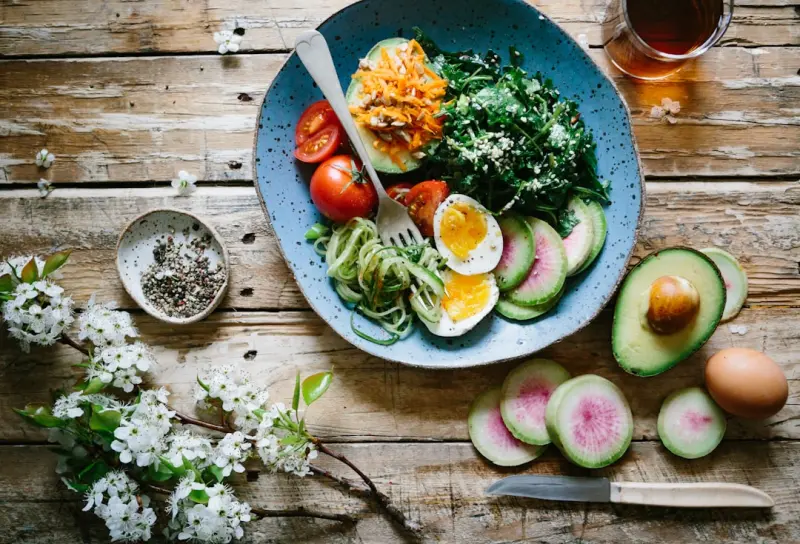
Curating Your Information Diet for a Healthier Mind
A practical guide to mastering the information diet: audit your digital intake, set intentional cons... Read More

The Soundtrack Strategy: How Curated Music Can Elevate Your Mental Health
Learn to transform your mental health with a personalized music strategy—use curated playlists, am... Read More
Top Posts
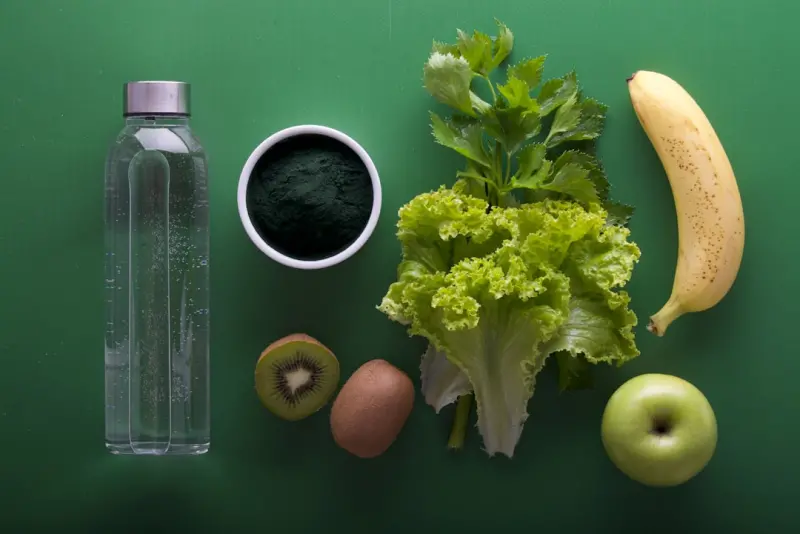
Strategic Hydration: The Underrated Pillar of Remote Work Performance
Proper hydration is a hidden performance driver for remote professionals. Learn science‑backed strategies to make water intake a daily KPI and boost focus, en...Read More
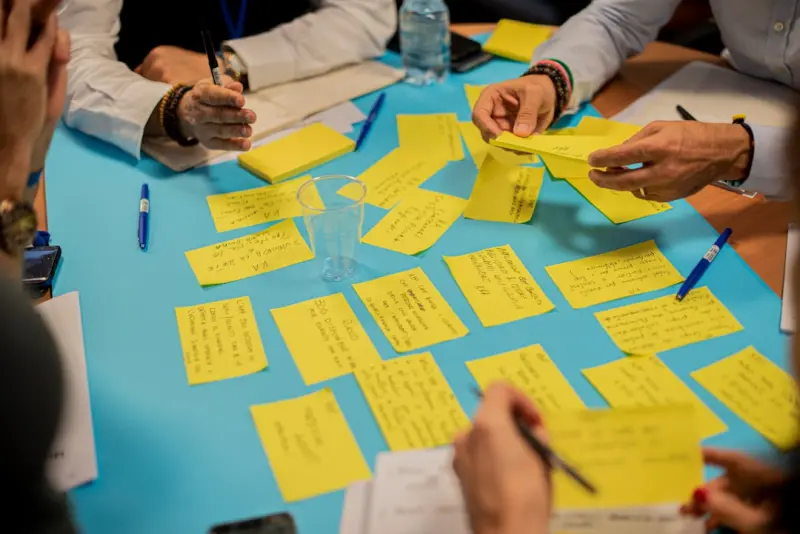
Cognitive Resilience for SaaS Teams
Learn how to protect mental health in fast‑paced SaaS settings by redefining digital boundaries, fostering psychological safety, leveraging personal data, and...Read More

Nature‑Infused Home: Simple Strategies to Bring the Outdoors Inside
Explore practical, low‑maintenance tips to weave natural textures, light, and sound into your home, creating a calming sanctuary without a major renovation....Read More

The Quiet Power of Passive Home Design: Boost Comfort Without Major Renovations
Learn how small, intentional tweaks—like optimizing natural light, improving airflow, creating acoustic calm zones, and adopting micro‑movement habits—can...Read More
0 Comments
Post Comment
You will need to Login or Register to comment on this post!