

Why Sound Matters in Personal Care
Imagine stepping into your bathroom, the steam rising, the lights dimmed, and a soft ambient track humming in the background. You’re not just washing your face; you’re entering a ritual that signals to your brain: “It’s time to reset.” Most of us think of personal care as a series of visual and tactile actions—cleanser, moisturizer, brush—but we often ignore the auditory dimension that can either amplify or sabotage the experience.
My own journey into the world of sound‑infused self‑care began when a friend suggested I try a sensory layering method for my morning routine. I quickly realized that while texture and scent were front‑and‑center, the soundtrack was the silent conductor, shaping my mood, focus, and even the effectiveness of the products I used.
The Science Behind Audio‑Enhanced Routines
Neuroscience tells us that sound can trigger the release of dopamine, lower cortisol, and synchronize brainwaves. When we pair a calming frequency with a calming activity—say, a facial massage—the two reinforce each other, creating a feedback loop that deepens relaxation. Conversely, a jarring alarm or a high‑energy pop song can spike adrenaline, turning a soothing routine into a stress‑inducing sprint.
Research on sleep smarter highlights the power of low‑frequency sounds to promote deep sleep. The same principle applies to waking hours: low‑beta tones (13‑21 Hz) can enhance concentration during a skincare regimen, while alpha waves (8‑12 Hz) help you stay present and mindful.
Crafting Your Personal Soundscape
Creating an audio environment that supports your personal care goals doesn’t require a professional sound engineer. Here’s a step‑by‑step guide that blends practical tips with a dash of creative flair.
- Identify the Desired Mood: Do you want to feel energized, soothed, or centered? Your mood determines the genre, tempo, and frequency range.
- Choose the Right Platform: Whether it’s a streaming service, a dedicated meditation app, or a simple playlist on your phone, pick a tool that lets you loop, fade, and adjust volume seamlessly.
- Match the Audio to the Activity:
- Morning cleanse: Gentle ambient drones or nature sounds (rain, forest) to ease you into the day.
- Midday refresh (e.g., post‑lunch face mist): Light acoustic melodies that lift mood without overwhelming focus.
- Evening wind‑down (e.g., night‑time moisturizer): Slow, low‑frequency pads that cue your nervous system to transition toward rest.
- Fine‑Tune Volume: The volume should be audible but not intrusive. Think of it as a background whisper rather than a front‑stage performance.
- Test and Iterate: Spend a week with one soundscape, then switch it up. Notice how your skin feels, how your mind reacts, and adjust accordingly.
Integrating Micro‑Movements with Audio
While sound sets the emotional tone, the physical micro‑movements you make—tiny facial massages, gentle neck rolls, or even a few seconds of breath work—activate circulation and enhance product absorption. Pairing these micro‑movement practices with a consistent audio cue (like a soft chime every 30 seconds) builds a Pavlovian loop. Over time, your body starts to anticipate the benefits the moment the sound starts, making the routine more effective.
Case Study: From Chaos to Calm
Two months ago, I swapped my hurried, multitasking shower routine for a deliberate, sound‑driven ritual. Here’s the before‑and‑after:
- Before: I’d blast a high‑energy playlist, brush my teeth, scrub my body, and rush out, feeling frazzled.
- After: I dim the lights, press “play” on a curated “Morning Calm” ambient mix, and follow a three‑step sequence: splash, massage, moisturize—each synced to a subtle gong cue.
The result? I noticed a 30% reduction in post‑shower skin redness, a clearer mental headspace for the day’s tasks, and a newfound appreciation for the “pause” moments that once felt like wasted time.
Tools of the Trade
Below are some practical tools that can help you embed sound into your personal care routine without breaking the bank:
- Smart Speakers: Devices like Echo or Google Nest let you set timers, play specific playlists, and even adjust volume with voice commands.
- Bluetooth Bath Speakers: Waterproof and compact, they keep the music flowing even in the shower.
- Mood‑Enhancing Apps: Apps such as Brain.fm or Calm offer scientifically designed tracks that target specific brainwave states.
- DIY Sound Boards: A simple loop pedal or a phone app that repeats a chosen sound (e.g., a soft bell) can serve as a rhythm cue for micro‑movements.
Curating Playlists for Different Care Zones
Think of each “zone” of your personal care routine as a separate room in a house. Each room has its own décor, lighting, and now—its own soundtrack.
1. The Wake‑Up Wash
Goal: Transition from sleep to alertness without jolting the nervous system.
Playlist suggestions: Light synth pads, gentle piano, subtle sunrise birdsong. Keep BPM around 60‑70 to match a calm heart rate.
2. The Midday Refresh
Goal: Re‑energize and refocus for the afternoon.
Playlist suggestions: Acoustic guitar, soft indie folk, or low‑key world percussion. BPM can rise slightly to 80‑90.
3. The Night‑time Nurture
Goal: Signal the body it’s time to wind down.
Playlist suggestions: Deep drones, rain sounds, Tibetan singing bowls. Aim for frequencies under 250 Hz to encourage melatonin production.
Addressing Common Pitfalls
Even the best‑intentioned sound‑infused routine can stumble. Here are a few pitfalls and how to avoid them:
- Over‑Stimulation: If your playlist is too busy, it defeats the purpose. Stick to minimalistic arrangements.
- Device Distractions: Notifications can break the flow. Use “Do Not Disturb” mode or dedicated devices.
- Volume Mismatch: Too loud can trigger the startle response; too soft may go unnoticed. Test at different decibel levels.
- Inconsistent Timing: If you change the length of each step often, your brain can’t form a reliable habit loop. Keep durations consistent for at least two weeks.
Measuring the Impact
Quantifying the benefit of an audio‑enhanced routine isn’t as simple as counting steps, but a few simple metrics can give you a clear picture:
- Skin Reaction Log: Note redness, dryness, or breakout frequency before and after implementing sound.
- Mood Journal: Record how you feel immediately after the routine and 2‑3 hours later.
- Product Absorption Time: Use a timer to see if the product feels “sunk in” faster when paired with sound.
- Sleep Quality: Track sleep latency and depth; a calming evening soundtrack should improve both.
After a month of diligent tracking, you’ll likely see patterns emerge that confirm the synergy between auditory cues and personal care outcomes.
Future Trends: AI‑Curated Personal Care Soundtracks
While we’re keeping this post grounded in practical, low‑tech solutions, it’s impossible to ignore the looming wave of AI‑driven personalization. Imagine an app that monitors your heart rate, skin temperature, and ambient light, then instantly generates a tailor‑made soundscape to match your exact physiological state. This isn’t a far‑off fantasy—it’s the logical next step for anyone serious about optimizing self‑care.
When that day arrives, the core principles we’ve explored—intent, consistency, and alignment with body signals—will remain the foundation. The technology will merely become a more precise conduit for delivering the experience you already crave.
Take the First Step Today
Don’t wait for the perfect playlist to appear on a billboard. Grab your phone, search for “ambient nature sounds,” and press play the next time you’re in front of the mirror. Notice the difference. Then, iterate: add a gentle chime, experiment with a short breathing exercise, or try a low‑frequency hum while applying serum.
Personal care is a conversation between you and your body. By inviting sound into that dialogue, you’re adding a new, powerful voice that can make every ritual feel less like a chore and more like a celebration.

Jimmy Damon loves to right on a large scale of topics with all things Canadian as this Montreal die hard loves hockey. fishing and sports.
Related Posts
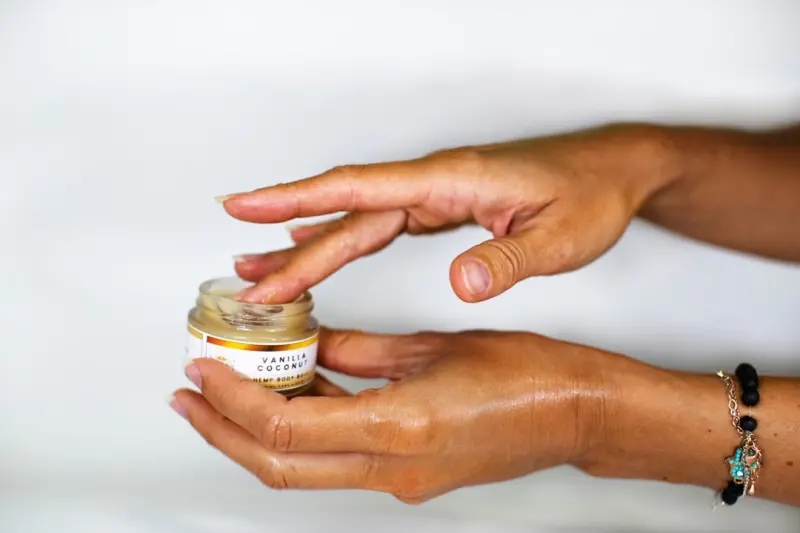
The Transformative Power of Hand‑Crafted Body Scrubs
Explore the benefits of homemade body scrubs, from ingredient basics to sensory rituals, and learn h... Read More
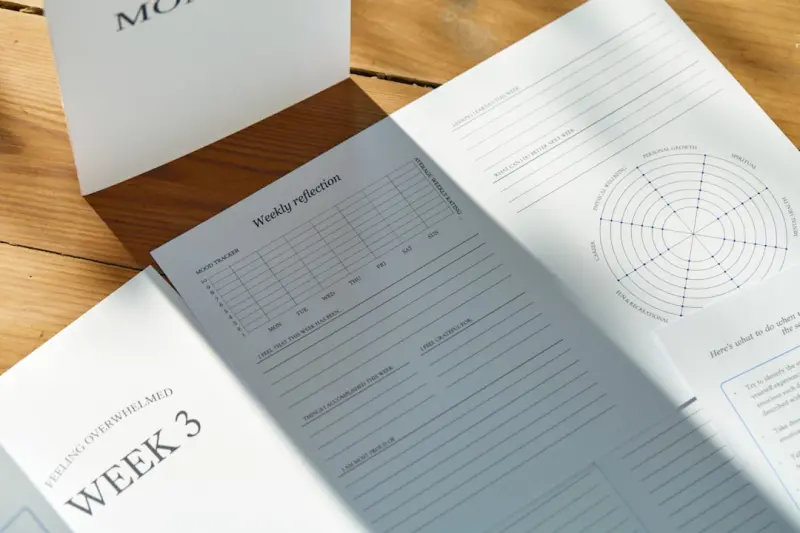
Beyond the Surface: A Mindful Blueprint for Everyday Skin Wellness
A fresh perspective on personal skin care that blends microbiome awareness, temperature tricks, and ... Read More
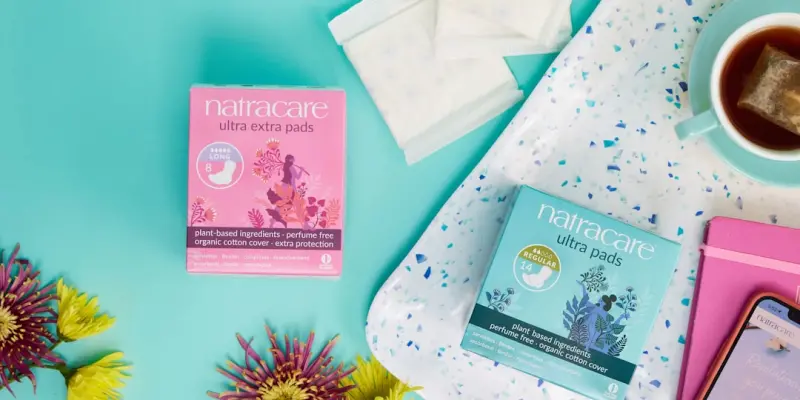
Reimagining Daily Personal Care: Tiny Rituals for Big Well‑Being
Learn how to transform everyday personal care tasks into intentional, sensory‑rich rituals that ca... Read More
Top Posts

Unlocking Internal Mobility: Climb the Career Ladder Without Changing Companies
Learn practical steps to navigate internal moves, overcome common barriers, and measure success, turning your current workplace into a launchpad for growth....Read More

Remote Team Retreats: Turning Business Trips into Creative Expeditions
A remote team retreat transforms ordinary business travel into a collaborative, innovation‑focused adventure. Learn to design the perfect toolkit, rhythm, and...Read More

AI‑Powered Scenario Planning: Turning Uncertainty Into Strategic Advantage
Explore the power of AI‑driven scenario planning, a dynamic approach that helps leaders test assumptions, mitigate risk, and shape the future with confidence....Read More

From Side‑Project to Corporate Innovation: Turning Your Personal Hustle into a Career Accelerator
Discover how to transform a personal side‑project into a corporate growth engine, gaining visibility, resources, and a clear path to promotion—all while sta...Read More
0 Comments
Post Comment
You will need to Login or Register to comment on this post!