

The Sensory Layering Method: A Fresh Take on Personal Care
When I first walked into a boutique that marketed “holistic skincare,” I expected a line of exotic oils and a serene yoga class. What I found instead was a carefully choreographed symphony of textures, aromas, and sounds—all designed to turn a routine into a ritual. That moment sparked a personal experiment: What if personal care could be approached like a piece of music, with layers that build, resolve, and leave you feeling balanced?
In my years of writing about wellness, productivity, and the occasional tech‑driven habit, I’ve noticed a glaring gap. We obsess over the what—the product, the brand, the ingredient list—but we rarely explore the how of the experience. The Sensory Layering Method invites you to design your own multi‑dimensional self‑care routine that engages sight, smell, sound, touch, and even taste, turning everyday moments into personal celebrations.
Why Layering Matters
Think about a great song. The intro draws you in, the verses build tension, the chorus delivers the payoff, and the bridge adds a twist before the final refrain. If a single note can evoke an emotion, imagine what a full arrangement can achieve. The same principle applies to personal care. By stacking complementary sensations, you amplify each element’s benefit, creating a cascade of positive feedback that resonates throughout your day.
Here are three core reasons why layering works:
- Neuro‑chemical synergy: Engaging multiple senses triggers the release of dopamine, serotonin, and oxytocin, fostering a deeper sense of well‑being.
- Memory anchoring: When a scent or sound consistently follows a particular activity, your brain learns to associate that cue with calm or focus, making it easier to slip into the desired state.
- Customization: Layering lets you tailor routines to mood, time of day, or even the season, ensuring relevance and freshness.
Building Your Personal Care Symphony
The method breaks down into four stages: Prep, Core, Elevate, and Close. Below, I’ll walk you through each stage with concrete ideas you can start implementing tonight.
1. Prep – Setting the Stage
Before you even touch a product, consider the environment. Light, temperature, and background sound lay the groundwork for the rest of the routine.
- Lighting: Soft, warm bulbs or a Himalayan salt lamp can reduce melatonin suppression, preparing your body for relaxation.
- Ambient sound: A low‑volume ambient playlist—think gentle rain, distant waves, or binaural beats—helps lower cortisol. I often use a guided audio cue that signals it’s time for self‑care.
- Air quality: A quick spritz of eucalyptus or a small indoor plant can boost oxygen flow, sharpening your senses for the routine ahead.
2. Core – The Main Act
This is where you apply your primary skincare or grooming products. Choose items that feel like the “melody” of your routine—consistent, reliable, and pleasant.
- Texture play: Alternate between a silky serum and a velvety cream to keep tactile interest alive. The contrast keeps the brain engaged, preventing the habit from feeling like a chore.
- Scent pairing: Pair a citrus cleanser with a lavender moisturizer. The bright top note of citrus awakens, while lavender grounds you for the next step.
- Temperature: Warm your facial oil slightly between your palms; the gentle heat helps deeper penetration, turning a simple application into a mini‑massage.
3. Elevate – Adding the Bridge
Now’s the time for “extras” that elevate the experience without adding bulk. Think of these as the bridge in a song—unexpected but delightful.
- Micro‑massage: Use a jade roller or a gua sha stone for a two‑minute facial massage. The subtle pressure boosts circulation and signals the brain to release endorphins.
- Sound cue: After the massage, play a single chime or a short nature clip. This auditory cue tells your nervous system that you’re entering a deeper relaxation phase.
- Mindful breath: Inhale for four counts, hold for four, exhale for six. This simple rhythm aligns with the physical sensations, creating a unified experience.
4. Close – The Final Refrain
Finish with a calming act that signals the end of the routine and reinforces the benefits you just earned.
- Hydration sip: A small glass of room‑temperature water with a slice of cucumber or mint rehydrates and adds a subtle taste dimension.
- Light fragrance: A dab of a light, natural perfume on pulse points offers a lingering scent that reminds you of the calm you just cultivated.
- Reflective note: Jot down a quick gratitude line in a journal. This mental anchor helps lock in the positive neuro‑chemical state.
Case Study: From Chaotic Mornings to a Harmonized Routine
One of my clients, a remote project manager named Maya, used to treat mornings as a frantic sprint: coffee, teeth‑brushing, hurried shower, and straight to the laptop. The result? Frequent burnout and a lingering sense of “being on autopilot.”
We introduced the Sensory Layering Method, starting with a three‑minute prep phase: dimmed lights, a soft instrumental playlist, and a brief aromatherapy diffusing peppermint. For the core, she swapped her standard cleanser for a foaming gel infused with rosemary—an invigorating scent that paired with a lightweight moisturizer. The elevate stage added a 30‑second jade roller session, followed by a single chime from her phone. Finally, she closed with a sip of warm lemon water and a one‑sentence gratitude note.
Within two weeks, Maya reported a 30% increase in perceived energy and a measurable drop in stress markers (as per her wearable’s HRV data). Her morning routine felt less like a race and more like a personal concert—a reminder that intentional layering can turn even the busiest schedules into moments of self‑care.
Integrating Tiny Habit Upgrades
For those who fear a massive overhaul, start small. The concept of tiny habit upgrades aligns perfectly with sensory layering. Add a single element—like a scented candle—before your usual shower, and gradually build from there. The key is consistency; once a cue is embedded, the brain automatically anticipates the reward.
Restorative Night Routines for Better Recovery
Evening care deserves its own arrangement. While many focus on “cleaning” skin before bed, consider the whole sensory landscape:
- Dim the lights an hour before sleep to encourage melatonin production.
- Introduce a soundscape of low‑frequency tones or a white‑noise fan.
- Apply a calming serum with ingredients like chamomile or oat extract, then follow with a light facial mist that smells of lavender.
- Finish with a restorative night routine—perhaps a short meditation or a gratitude journal entry.
These steps not only improve skin health but also signal to the nervous system that it’s time to unwind, leading to deeper, more restorative sleep.
Choosing Sustainable, Multi‑Sensory Products
When curating your sensory palette, prioritize products that respect the environment. Many brands now offer biodegradable packaging, refillable containers, and responsibly sourced ingredients. Look for certifications like “ECOCERT” or “USDA Organic.” A sustainable product not only feels good on the skin but also aligns with a broader sense of care—for yourself and the planet.
Tech‑Enhanced Sensory Layering
While the method is fundamentally analog, technology can act as a subtle conductor. Smart mirrors can display gentle lighting cues, while connected diffusers release scents based on a schedule you set. Wearable devices can alert you when it’s time to transition to the next layer, ensuring you stay in rhythm without mental effort.
Common Pitfalls and How to Avoid Them
Over‑stimulating the senses. Adding too many strong scents or loud sounds can become overwhelming. Stick to one dominant scent per routine and keep ambient volume low.
Skipping the prep stage. Jumping straight to product application eliminates the opportunity to prime your nervous system, reducing the overall impact.
Inconsistency. The brain needs repeated exposure to form strong associations. Treat each layer as a habit you repeat daily, even if the full routine takes just ten minutes.
Conclusion: Your Personal Care Symphony Awaits
Personal care isn’t just a checklist; it’s an art form waiting to be composed. By embracing the Sensory Layering Method, you transform mundane tasks into immersive experiences that nourish body, mind, and spirit. Start with a single cue—perhaps a calming scent in your bathroom—and let the layers build. Before long, you’ll find that the rhythm of your routine becomes a source of resilience, creativity, and joy, echoing far beyond the mirror.

Jessica Gills is a freelance writer carving a niche for herself by empowering others through her words. With a focus on careers, self-development, and business, she helps readers navigate the complexities of the modern professional landscape.
Related Posts
Zero‑Waste Personal Care: Crafting a Minimalist Routine That Feels Luxe
A personal story of decluttering bathroom cabinets leads to a guide on zero‑waste personal care, f... Read More

When Night Falls: Synchronizing Sleep and Personal Care for a Radiant Tomorrow
Discover a rhythm‑based evening routine that respects your circadian rhythm, using simple steps li... Read More
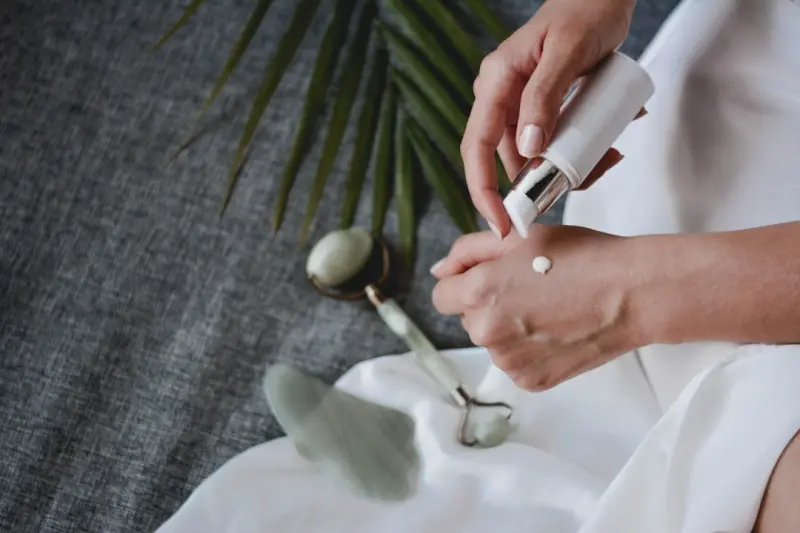
Seasonal Skincare Strategies: Adapting Your Personal Care Routine to Nature’s Rhythms
Learn to adapt your personal care routine to nature’s cycles, using a modular toolkit, microbiomeâ... Read More
Top Posts

Designing a Multi‑Sensory Garden: How to Engage Sight, Sound, Touch, Smell, and Taste at Home
Transform your backyard into a sensory sanctuary by layering texture, sound, fragrance, taste, and lighting. This guide offers practical steps for homeowners to...Read More
Hidden Home Hacks That Supercharge Your Daily Productivity
Learn seven subtle, science‑backed tweaks—from lighting and airflow to smart storage and night routines—that transform any home into a productivity‑boos...Read More

From Data to Delight: How Generative AI is Rethinking Customer Experience
Generative AI is changing the customer experience game by creating personalized, context‑aware interactions that feel human. This post shows how to integrate,...Read More

Sketching the World: How a Travel Journal Transforms Your Adventures
Explore the power of a travel sketchbook: from mindful observation to lasting legacy, this guide shows how drawing on the road enriches every adventure....Read More
0 Comments
Post Comment
You will need to Login or Register to comment on this post!