
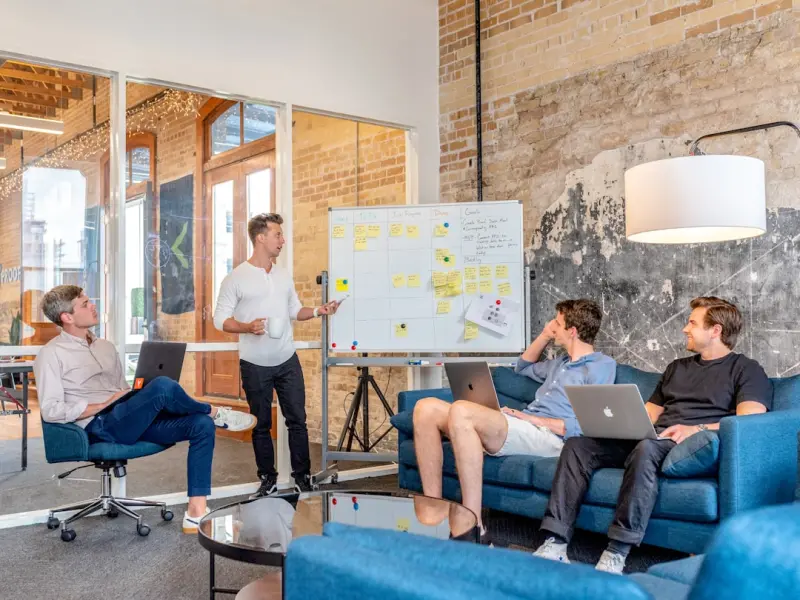
When I first swapped my corporate office for a hammock in a Bali co‑working space, I expected a brief escape—a chance to sip fresh coffee and watch the sunrise over rice paddies before diving back into the inbox. What I didn’t anticipate was how a well‑designed remote team retreat could become the catalyst for a seismic shift in how we create, collaborate, and innovate. Today, I’m sharing the playbook I’ve refined over dozens of trips, turning ordinary business travel into a purposeful, high‑impact adventure that fuels both the bottom line and the soul.
Why a Remote Team Retreat Is More Than a Fancy Off‑Site
Traditional off‑sites often feel like a forced break: a conference room with a view, a day of ice‑breaker games, and a half‑hearted attempt at “team building.” A remote team retreat, by contrast, re‑imagines the very structure of work. It blends the freedom of travel with the rigor of project milestones, creating a living laboratory where ideas can be tested in real time.
- Immersive environment: The change of scenery forces your brain out of autopilot.
- Shared experiences: Navigating a foreign market together builds trust faster than any corporate retreat agenda.
- Immediate feedback loops: You can prototype, test, and iterate on ideas while the local culture provides fresh data points.
Think of the retreat as a travel lab mindset—a space where curiosity is the operating system.
Designing the Mobile Collaboration Toolkit
Before you board the plane, you need a kit that lets you stay connected without sacrificing the travel experience. Here are the essentials I never leave home without:
- Unified communication hub: A single platform (Slack, Teams, or a custom solution) that consolidates chat, video, and file sharing.
- Portable power: High‑capacity power banks, solar chargers, and a multi‑port USB hub keep devices alive during long train rides.
- Secure VPN: Protect company data on public Wi‑Fi and maintain compliance with industry regulations.
- Lightweight hardware: A compact laptop with a detachable keyboard, a tablet for sketching ideas, and noise‑cancelling headphones for focus.
- Digital whiteboard: Tools like Miro or FigJam enable real‑time brainstorming, no matter where your team is stationed.
And because packing can become a logistical nightmare, I always adopt a capsule wardrobe approach. Fewer clothes mean lighter luggage, which translates to more room for the tools that truly matter.
The Rhythm of Work and Exploration
One of the biggest myths about remote retreats is that work has to dominate the day, or that adventure is a side‑show. The secret is a rhythm that respects both:
- Morning focus sprint (2‑3 hours): Tackle high‑priority tasks while the brain is fresh and the time zone is still conducive to stakeholder communication.
- Midday immersion: Step out for a local market tour, a cooking class, or a guided hike. This isn’t a break; it’s a research expedition that fuels creative thinking.
- Afternoon sync (1 hour): Regroup, share discoveries, and adjust project backlogs based on the morning’s insights.
- Evening reflection: A brief journal session or a group debrief to capture the day’s learnings before sleep.
This cadence keeps productivity high while granting the mental space needed for genuine discovery.
Local Integration as a Team‑Building Exercise
When you involve the team in authentic local experiences, you get two benefits at once: cultural competence and deeper interpersonal bonds. Here are three activities that consistently deliver results:
- Community service projects: Partner with a local nonprofit for a day of hands‑on work—whether planting mangroves, teaching English, or helping at a food bank. The shared sense of purpose transcends office politics.
- Collaborative cooking sessions: Hire a local chef to guide the team through a traditional dish. Cooking together requires communication, timing, and trust—mirroring project dynamics.
- Storytelling circles: Gather in a quiet courtyard and invite each member to share a personal travel anecdote or a lesson learned from the current trip. This practice surfaces hidden strengths and fosters empathy.
These experiences act as informal “sprints,” producing tangible outcomes (a planted tree, a delicious meal) while reinforcing the soft skills that drive high‑performing teams.
Measuring Success: Beyond the Standard KPI
Traditional metrics—revenue, project completion—don’t fully capture the value of a remote retreat. I recommend a balanced scorecard that includes:
| Metric | How to Capture |
|---|---|
| Creative output | Number of new concepts prototyped, patents filed, or design mock‑ups generated. |
| Team cohesion | Pre‑ and post‑retreat surveys measuring trust, communication clarity, and satisfaction. |
| Learning acquisition | Skills workshops attended, language phrases learned, cultural insights documented. |
| Productivity variance | Comparison of sprint velocity before and after the retreat. |
| Well‑being index | Self‑reported stress levels, sleep quality, and overall happiness. |
When you see spikes in creative output and well‑being, you’ve likely unlocked the “travel‑powered productivity” effect.
Common Pitfalls and How to Dodge Them
Even the most meticulously planned retreat can hit snags. Here are the usual suspects and my mitigation tactics:
- Over‑scheduling: Resist the urge to cram every hour with meetings. Preserve “open space” for spontaneous exploration.
- Technology fatigue: Schedule regular “offline windows” where devices are stowed, and the team engages purely with the environment.
- Cultural faux pas: Conduct a quick cultural briefing before departure—key greetings, etiquette, and any dress codes for sacred sites.
- Logistical chaos: Use a shared travel itinerary app (TripIt, Google Sheets) to keep flight details, accommodation, and local transport transparent.
- Budget blowout: Set clear per‑person spending caps and allocate a contingency fund for unexpected opportunities (e.g., a local festival ticket).
Addressing these ahead of time turns potential disruptions into learning moments.
Scaling the Model: From One Team to the Whole Organization
If a single team can achieve breakthroughs, imagine the ripple effect across the entire company. Here’s a roadmap for scaling:
- Pilot program: Choose a cross‑functional group to run the first retreat. Document outcomes rigorously.
- Knowledge hub: Create an internal wiki where teams upload post‑trip reports, templates, and best‑practice videos.
- Retreat ambassadors: Identify enthusiastic participants who can mentor others and champion the model.
- Budget integration: Allocate a recurring line item in the annual budget for “Strategic Travel & Innovation.”
- Feedback loop: Conduct quarterly reviews to refine the framework, ensuring it evolves with the company’s needs.
By institutionalizing the retreat, you embed travel‑driven innovation into the corporate DNA.
Final Thoughts: The Journey Is the Destination
Remote team retreats aren’t a luxury; they’re a strategic lever that aligns purpose, creativity, and performance. When you give your team the freedom to explore new streets, taste unfamiliar flavors, and collaborate outside the confines of a cubicle, you unlock a well‑spring of ideas that can’t be manufactured in a boardroom.
So, the next time you schedule a quarterly planning session, ask yourself: What would happen if we turned that meeting into a journey? Pack your capsule wardrobe, bring your travel lab mindset, and watch the road become your most powerful boardroom.

Brad Hays is a freelance writer known for his versatile skill set and ability to craft compelling content across a wide range of industries.
Related Posts

The Art of Unplugged Adventures: Reclaiming Travel in a Hyper‑Connected World
Lauren Miller shares her personal journey of traveling without a smartphone, offering practical step... Read More

Turn Your Seatback into a Classroom: A Business‑Travel Learning Blueprint
Discover a practical four‑step system to transform travel downtime into powerful professional deve... Read More
How Travel Journaling Turns Fleeting Moments Into Lasting Memories
Explore why a travel journal is your best travel companion, how to choose the right medium, and tips... Read More
Top Posts

Reclaiming Calm: Intentional Digital Boundaries for Mental Wellness
A practical guide to setting intentional digital boundaries, using playful curiosity and AI tools to reduce stress, boost focus, and improve overall mental well...Read More
Crafting Calm: How Hand‑Made Activities Rewire Stress
Discover the science behind tactile activities such as knitting, origami, and beadwork, and learn practical ways to integrate these handcrafts into daily routin...Read More

Flavor Trails: How to Turn Every Trip into a Culinary Expedition
Discover how to turn any journey into a deliberate culinary expedition by mapping seasonal ingredients, cooking with locals, and documenting flavors for lasting...Read More
Digital Minimalism for Mental Clarity
Digital minimalism helps you reclaim mental clarity by intentionally pruning tech distractions, setting boundaries, and fostering offline rituals that reduce an...Read More
0 Comments
Post Comment
You will need to Login or Register to comment on this post!