
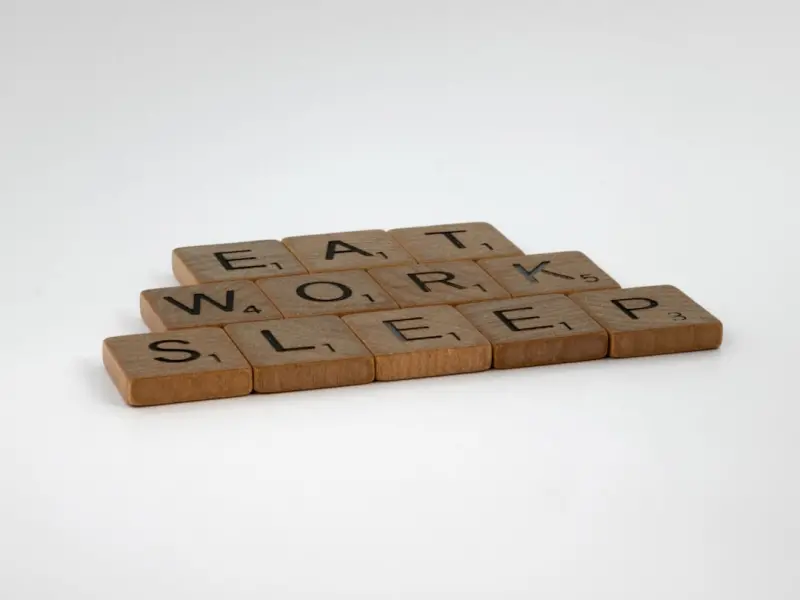
Why a Four‑Day Week Is More Than a Perk
Employers are finally treating the four‑day workweek as a strategic lever rather than a fleeting perk, and the data is beginning to prove why. Companies that have experimented with a compressed schedule report a measurable boost in output, with teams delivering the same or higher quality work in fewer calendar days, debunking the old myth that “more hours equal more results.” When employees have an extra day to recharge, creativity spikes, deadlines are met faster, and the organization’s bottom line quietly improves.
Productivity Gains: The Science Behind the Shorter Week
Research from leading productivity labs shows that when workers know they have limited time, they cut the fluff and focus on high‑impact tasks, a phenomenon psychologists call “Parkinson’s Law” in reverse. The result is a leaner workflow where meetings are trimmed, emails are consolidated, and deep work sessions become the norm, leading to a 20‑30% increase in measurable output for many firms. This efficiency isn’t a fluke; it’s a direct consequence of intentional time‑management and clear priorities.
Well‑Being Becomes a Competitive Advantage
Beyond the spreadsheets, the four‑day model delivers a profound uplift in mental health, sleep quality, and overall life satisfaction, turning well‑being into a tangible business asset. Employees who return after a long weekend report lower stress levels, fewer sick days, and a stronger sense of loyalty, which translates into lower turnover costs for the organization. In a talent market where burnout is a leading reason for departures, the extra day off becomes a decisive factor in candidate decisions.
Attracting Top Talent in a Tight Labor Market
When the competition for skilled workers intensifies, the promise of a three‑day weekend can tip the scales in an employer’s favor, especially among millennials and Gen Z who prioritize work‑life harmony. Companies that openly advertise a four‑day schedule see a surge in applications, often attracting candidates who would otherwise overlook the role. Integrating micro‑internships into recruitment pipelines further amplifies this appeal, giving prospects a taste of the flexible culture before they even sign a contract.
Career Growth Within a Condensed Schedule
Critics argue that fewer days on the clock limit development opportunities, yet the opposite often occurs as employees become more intentional about learning. With a dedicated “growth day” built into the week, professionals can pursue certifications, mentorship, or cross‑functional projects without sacrificing personal time. This intentional upskilling not only accelerates individual careers but also creates a pipeline of internal talent ready to step into leadership roles.
Redesigning Workflows with Intelligent Tools
Transitioning to a four‑day model requires more than cutting a day; it demands a redesign of processes, and that’s where technology shines. Leveraging AI‑driven career navigation platforms can map skill gaps, recommend micro‑learning modules, and automate routine tasks, freeing up human capacity for strategic work. By aligning intelligent tools with a shorter week, organizations ensure that every hour counts and that career trajectories stay on an upward trajectory.
Real‑World Success Stories: From Start‑Ups to Fortune 500s
Several forward‑thinking firms have already reaped the rewards of a four‑day schedule, reporting not just higher employee satisfaction but also measurable gains in revenue per employee. A mid‑size tech start‑up saw a 15% lift in client satisfaction scores after adopting the model, attributing the improvement to fresher minds and sharper problem‑solving abilities. Meanwhile, a large manufacturing conglomerate reduced overtime costs by 40% while maintaining production quotas, proving that the approach scales across industries.
Practical Steps to Pilot a Four‑Day Workweek
Companies eager to test the waters should start with a transparent pilot, selecting a cross‑functional team and setting clear performance metrics to evaluate success. Communicate expectations up front, redesign meeting cadences, and empower teams to experiment with batch‑working techniques that maximize focus. After a 12‑week trial, analyze data on output, employee sentiment, and customer impact before deciding on a broader rollout.
Looking Ahead: The Future of Work Is Both Shorter and Smarter
The four‑day workweek is poised to become a cornerstone of modern employment strategy, marrying the desire for personal time with the relentless drive for business excellence. As more organizations adopt this model, the ripple effect will reshape how we think about career progression, talent retention, and workplace culture. Embracing the extra day isn’t just a humane gesture—it’s a competitive imperative that can propel both employees and companies into a more productive, fulfilled future.

When it comes to the world of blogging and writing, Rose DesRochers is a name that stands out. Her passion for creating quality content and connecting with her audience has made her a trusted voice in the industry. Aside from her skills as a writer and blogger, Rose is also known for her compassionate nature.
Related Posts
Green Workspaces: How My Garden Desk Is Revolutionizing Employment
Jimmy Damon shows why the garden desk isn’t just a trend—it’s a catalyst for a greener, more p... Read More

Why Portfolio Careers Are the Next Big Shift in Employment
Portfolio careers are redefining employment by letting professionals combine multiple roles and proj... Read More

Cultivating Career Growth: Why Garden Desks Are the Future of Employment
Explore the rise of garden desks as a game‑changing tool for career resilience, creativity, and we... Read More
Top Posts

Reclaiming Play: How Adult Fun Fuels Mental Well‑Being
Discover why integrating playful activities into daily routines can rewire the brain, improve mood, and enhance productivity, offering a fresh, science‑backed...Read More

Turning Your Backyard into a Productivity Oasis
A garden desk isn’t just furniture—it’s a lifestyle upgrade that merges work, wellness, and home harmony. Learn to craft a backyard oasis that fuels produ...Read More

Let the Sun In: Light Exposure as a Daily Health Hack
Natural light is a powerful, free tool for strengthening immunity, improving mood, and enhancing sleep. This guide shows how to integrate sunlight into daily ro...Read More

Re‑Engineering Your Mental Safety Net for Remote Knowledge Workers
A practical framework for knowledge workers to create cognitive buffers, micro‑recovery rituals, and social anchor points, turning remote work stress into sus...Read More
0 Comments
Post Comment
You will need to Login or Register to comment on this post!