

There’s a silent revolution happening in the way professionals think about travel, and it’s not about ticking off the most‑photogenic spots or scoring the cheapest flight. It’s about treating every journey as a strategic, creative catalyst that reshapes how you work, lead, and innovate. I’ve been on the road for years—boarding trains at dawn, nesting in co‑working cafés in bustling capitals, and sleeping under desert stars—and each mile has taught me a new method for turning the chaos of movement into a disciplined advantage.
Travel‑First Thinking: Re‑engineering Your Workflow Before You Pack
Before you even consider what suitcase to bring, ask yourself: What is the core purpose of this trip? Most people default to “I need a break” or “I’m attending a conference.” Those are valid, but they’re surface‑level goals that leave the deeper potential untapped. In my experience, the most transformative trips start with a travel‑first mindset—a framework where the journey itself becomes an integral part of the project you’re trying to solve.
For example, a recent week‑long trek across the Scottish Highlands wasn’t just a retreat from the office; it was an immersive research sprint for a new sustainability product line. I mapped out the local energy practices, spoke with community leaders, and recorded ambient sounds that later became part of a brand story. By aligning the destination with a concrete objective, the trip morphed into a living prototype, not a detached vacation.
Designing a Portable Routine: The Power of Mini‑Habits on the Move
One of the biggest challenges of traveling is maintaining the habits that keep you sharp. I’ve found that the answer isn’t grand rituals but mini‑habits—tiny, repeatable actions you can perform anywhere. Think a five‑minute stretch before boarding, a one‑sentence journal entry after each meal, or a quick breathing exercise before a meeting.
These micro‑practices act as anchors, pulling you back into a state of focus when the surrounding environment threatens to pull you apart. They also dovetail beautifully with concepts from Unlocking Health Through the Simple Act of Breath, where controlled breathing can instantly lower cortisol and sharpen cognition. By embedding these bite‑sized rituals into your travel itinerary, you create a scaffolding that supports high‑performance thinking, regardless of time zone.
Leveraging Curiosity as Your Travel Compass
Curiosity isn’t just a personality trait; it’s a muscle you can train, and travel is the perfect gym. When you approach a new city not with a checklist but with genuine inquisitiveness, you unlock insights that most tourists never see. I treat each unfamiliar alleyway, market stall, or local conversation as a hypothesis to test.
In practice, this means asking “Why do locals prefer this mode of transport?” or “What cultural values shape the way this café designs its space?” These questions often lead to unexpected learnings—like discovering a community‑run bike‑share program that inspired a new feature for my company’s logistics platform. For a deeper dive into turning curiosity into a mental fitness tool, check out Curiosity as a Mental Fitness Tool. It’s a reminder that the more you ask, the more you train your brain to adapt and innovate.
Screen Sabbaticals: Disconnect to Reconnect with Creative Flow
Modern professionals are glued to screens, even when they’re on the road. The constant stream of emails, notifications, and social feeds can drown out the very inspiration you traveled to capture. My solution is a deliberate screen sabbatical each day—a block of time where I step away from every digital device.
This isn’t a vague “turn off your phone” suggestion; it’s a structured practice. I schedule a two‑hour window after lunch where I wander without GPS, sketch the skyline, or simply sit on a bench and observe. During these moments, the brain enters a default mode network that fosters divergent thinking and problem‑solving. The concept aligns with the ideas explored in Screen Sabbaticals, underscoring how intentional disconnection fuels deeper, more original insights.
Smart Packing: The Minimalist’s Toolkit for Maximum Impact
When you strip down to the essentials, you free up mental bandwidth for creativity. My packing philosophy follows the “one‑item‑one‑purpose” rule: every piece of gear must serve at least two functions. A lightweight scarf doubles as a blanket on a chilly train, a foldable laptop stand becomes a portable desk, and a multi‑tool replaces an entire toolbox.
Beyond the physical, there’s a digital minimalist approach. I curate a travel‑specific app suite: a note‑taking app for observations, a translation tool for quick cultural immersion, and a task manager that syncs with my home office. By keeping the digital ecosystem lean, I reduce cognitive overload and maintain a clear focus on the trip’s primary objectives.
Turning Travel Into a Learning Lab: Skill‑Based Exploration
Travel offers a natural laboratory for skill development—whether it’s honing public speaking by presenting at a local meetup, sharpening negotiation skills in bustling markets, or refining design thinking through rapid prototyping with local artisans. I treat each destination as a live case study for a specific competency I want to advance.
Before heading to Berlin, I set a goal to practice multilingual networking. I prepared three conversation starters in German and aimed to exchange business cards with at least five professionals. The result? Not only did I improve my language fluency, but I also secured two potential partnership leads for my startup. This intentional, skill‑focused approach transforms travel from a leisure activity into a structured professional development sprint.
Building a Travel‑Inspired Personal Brand
In today’s hyper‑connected world, your personal brand is an ever‑evolving narrative, and travel provides compelling chapters. By documenting your journeys—through thoughtful blog posts, concise video snippets, or a curated photo series—you signal adaptability, cultural intelligence, and a growth mindset to peers and recruiters alike.
But authenticity matters. I avoid the glossy “Instagram‑ready” aesthetic and instead focus on raw storytelling: the moment a local chef taught me a family recipe, the frustration of a missed train, the quiet triumph of solving a logistical puzzle on the fly. These genuine moments resonate more deeply and position you as a relatable thought leader who lives the values they espouse.
Future‑Proofing Your Travel Strategy: Embrace Hybrid Mobility
The landscape of work is shifting toward hybrid models, and travel is evolving alongside it. Companies now offer “work‑from‑anywhere” stipends, and digital nomad visas are popping up worldwide. To stay ahead, I adopt a forward‑thinking travel strategy: I blend short‑term immersive experiences with longer remote‑work stays, creating a rhythm that balances exploration with deep work cycles.
This hybrid mobility allows me to maintain momentum on long‑term projects while still feeding my curiosity engine. For instance, I spent three weeks in Lisbon co‑working with a local tech hub, then took a weekend trek to the nearby Alentejo region to reset and gather fresh inspiration. The alternation between focused output and exploratory input keeps my ideas fresh and my productivity high.
Conclusion: Make Travel a Strategic Asset, Not an Afterthought
Travel is more than a pause button; it’s a strategic lever that, when pulled deliberately, can amplify creativity, sharpen skills, and reinforce your personal brand. By adopting a travel‑first mindset, embedding mini‑habits, leveraging curiosity, scheduling screen sabbaticals, and treating each destination as a skill‑development lab, you turn every trip into a high‑impact investment in yourself.
The next time you book a flight, ask yourself: “What intentional advantage will this journey give me?” If you answer that question with clarity and purpose, you’ll discover that the world isn’t just a backdrop for leisure—it’s a dynamic workshop for the next level of your professional evolution.

Tyler Johnson is a seasoned freelance writer with a keen eye for detail and a passion for crafting compelling narratives. His years of experience have honed his ability to adapt his style to suit diverse client needs and project requirements.
Related Posts
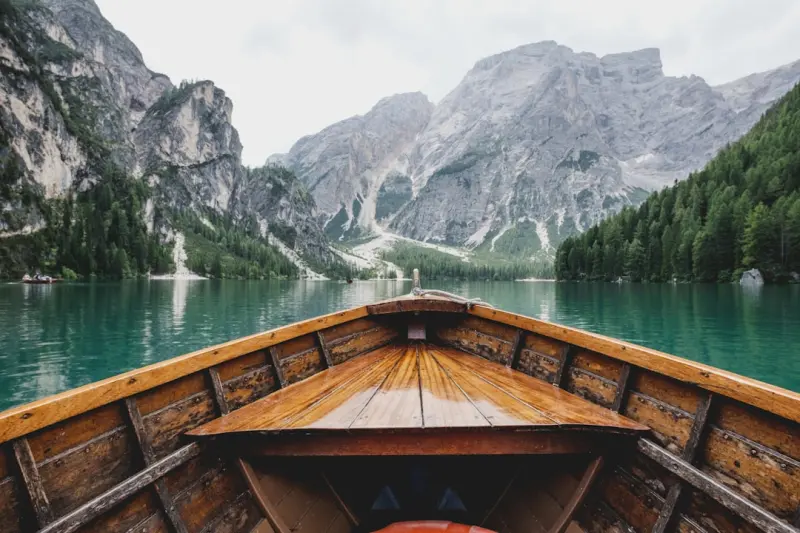
Rail Revival: Why Trains Are the New Frontier for Conscious Travelers
Discover how rail travel blends sustainability, community, and mindful experiences, turning the jour... Read More

Turning Every Stop into a Collaborative Lab: The Future of Hyper‑Local Travel
Hyper‑local immersion pods, biometric travel mapping, and time‑banked hospitality are redefining... Read More

Culinary Time Travel: Tasting History on the Road
Discover a fresh travel angle that treats food as a time machine—learn to map historic dishes, pac... Read More
Top Posts
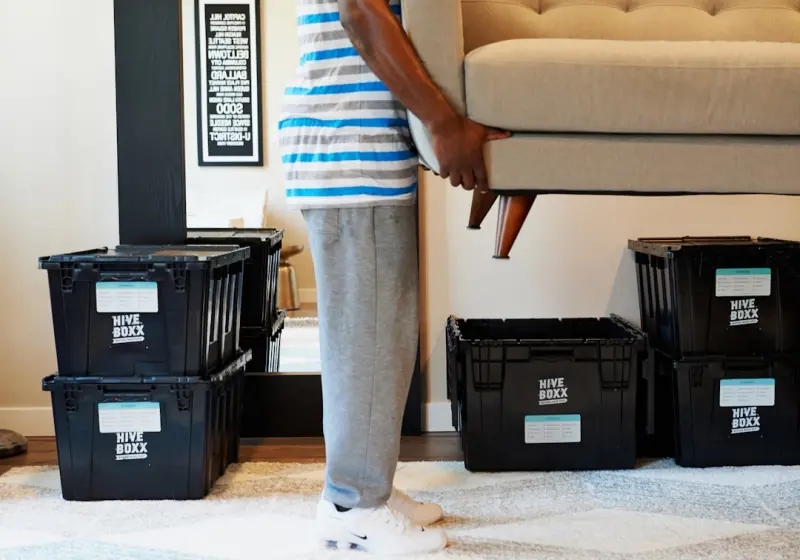
Smart Storage Strategies to Transform Small Spaces
Learn how to turn vertical space, multipurpose furniture, and simple labeling into powerful storage solutions that keep your home organized, sustainable, and st...Read More
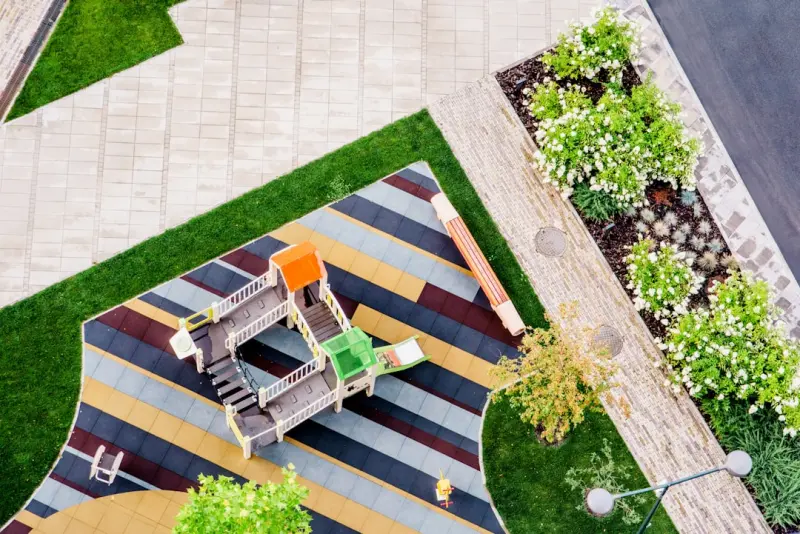
Designing a Multi‑Sensory Garden: How to Engage Sight, Sound, Touch, Smell, and Taste at Home
Transform your backyard into a sensory sanctuary by layering texture, sound, fragrance, taste, and lighting. This guide offers practical steps for homeowners to...Read More

Soundscapes for the Soul: Curating Audio to Calm the Mind
Explore the power of curated audio environments—natural, ambient, and binaural—to lower stress, sharpen focus, and improve sleep, all backed by neuroscience...Read More

Fermented Skincare: DIY Probiotic Rituals for Radiant Skin
Explore the science and simple recipes behind fermented skin‑care, learn how probiotics can transform your routine, and adopt a zero‑waste, DIY approach for...Read More
0 Comments
Post Comment
You will need to Login or Register to comment on this post!