
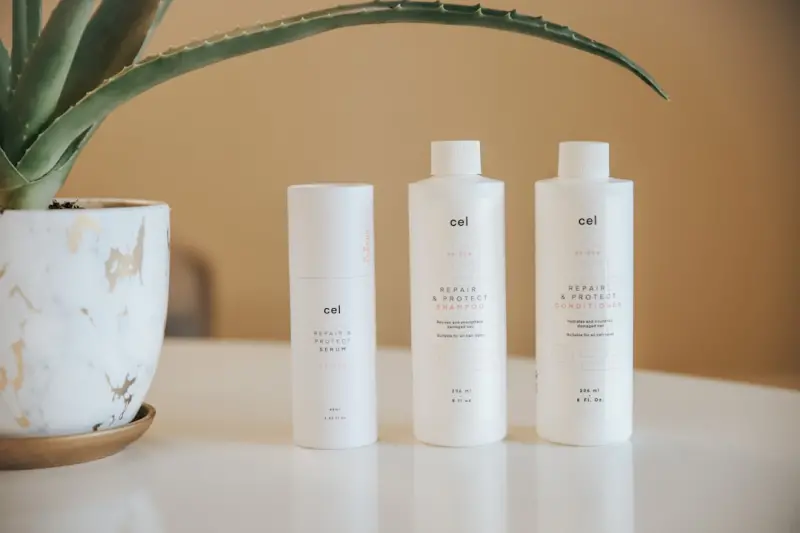
When I first stood in the sterile aisle of a high‑end pharmacy, clutching a bottle of shampoo that promised “silky smoothness for every strand,” I felt a pang of disappointment. The label was generic, the claims were vague, and the result? A fleeting moment of satisfaction that quickly evaporated under the weight of my own hair’s stubbornness. That experience sparked a personal quest: what if the products we slather on our heads, faces, and bodies could be as unique as our fingerprints?
Enter the Age of DNA‑Driven Haircare
DNA testing has long been the domain of ancestry enthusiasts and medical researchers. Yet, in the past few years, a quiet revolution has been unfolding in the world of personal care. Companies are now leveraging genetic insights to craft hair‑care regimens that speak directly to the biological nuances of each individual. This is not about vanity; it’s about aligning product chemistry with the very code that governs keratin structure, oil production, and scalp health.
Imagine a scenario where, after a simple cheek swab, a digital platform analyses genes linked to:
- Keratin strength – determining whether your hair is prone to breakage.
- Sebum regulation – influencing oiliness and scalp balance.
- Melanin production – affecting natural hair colour and UV sensitivity.
- Inflammatory response – guiding the need for soothing versus stimulating ingredients.
The output? A personalized formula that might include a higher concentration of biotin for weak strands, a targeted blend of antioxidants for UV‑sensitive hair, or a gentle, sulfate‑free cleanser for those with an overactive scalp.
Why Genetics Trumps One‑Size‑Fits‑All
Traditional hair‑care advice—“use a clarifying shampoo once a week,” “apply a deep conditioner monthly”—is based on population averages. While useful as a starting point, these guidelines ignore the genetic diversity that dictates how each scalp and strand reacts to external stimuli. A study published in the Journal of Dermatological Science highlighted that genetic variations can account for up to 35% of the differences in oil production among individuals.
When a product is calibrated to your DNA, the formulation can:
- Reduce unnecessary ingredients that may cause irritation.
- Optimize active compounds for maximum absorption.
- Anticipate long‑term changes, such as age‑related thinning.
This precision not only enhances efficacy but also minimizes waste—both in terms of product quantity and environmental impact. Fewer trial‑and‑error purchases mean fewer plastic bottles languishing in landfills.
From Lab to Bathroom Shelf: The Workflow
The journey from a DNA sample to a bottle on your bathroom shelf involves several critical steps:
- Sample Collection & Sequencing – A non‑invasive swab is sent to a certified lab. Using next‑generation sequencing, the lab identifies key markers related to hair biology.
- Data Interpretation – Proprietary algorithms translate raw genetic data into actionable insights. Think of this as the “personal knowledge graph” of your hair, where each node represents a trait and each edge reflects interaction.
- Formulation Design – Cosmetic chemists, guided by the algorithm, craft a bespoke blend. Ingredients are selected for their compatibility with your genetic profile, and concentrations are fine‑tuned.
- Manufacturing & Packaging – Small‑batch production ensures freshness and reduces overstock. Sustainable packaging options, such as biodegradable bottles, often accompany these premium lines.
- Feedback Loop – Users can log outcomes (e.g., reduced breakage, improved shine). This real‑world data feeds back into the algorithm, continuously refining future formulations.
This loop mirrors the concept discussed in Your Personal Knowledge Graph, where data constantly evolves to better serve the individual.
Beyond Hair: A Holistic View of Personal Care
While hair is an obvious starting point—visible, tactile, and culturally significant—the same DNA‑centric methodology is expanding into skin, oral health, and even fragrance preferences. The notion of “personalized skin microbiome” has already taken hold (Cultivating a Friendly Skin Microbiome), and the next logical step is to align those microbiome‑friendly strategies with your genetic predispositions.
Consider these emerging intersections:
- DNA‑based sunscreen – Tailoring UV filters based on your melanin‑related genes.
- Genetic oral care – Adjusting fluoride levels and antimicrobial agents according to susceptibility to cavities.
- Fragrance genomics – Curating scent profiles that trigger positive emotional responses linked to your olfactory receptor genes.
Such integrations herald a future where your entire routine—morning, noon, night—is orchestrated by a singular, data‑rich portrait of you.
Addressing the Skepticism
It’s natural to wonder: “Is this just a marketing gimmick?” The answer lies in transparency. Reputable providers publish:
- The specific genes they analyze (e.g., FGFR2 for hair thickness, APOE for oxidative stress susceptibility).
- Peer‑reviewed research underpinning each ingredient‑gene match.
- Clear privacy policies outlining how genetic data is stored, anonymized, and ultimately destroyed.
Moreover, many companies partner with academic institutions to validate their claims. A recent collaboration between a leading genetics lab and a hair‑care startup demonstrated a 22% reduction in split ends after eight weeks of DNA‑tailored treatment, compared to a control group using standard products.
Practical Tips for Early Adopters
If you’re intrigued but hesitant, start small:
- Research the Provider – Look for certifications, third‑party lab results, and clear data‑privacy statements.
- Start with a Single Product – A personalized shampoo or conditioner lets you gauge effectiveness without a huge upfront investment.
- Track Your Results – Keep a simple journal (or use a habit‑tracking app) to note changes in texture, shine, and scalp comfort.
- Stay Informed – Follow emerging research, especially studies that compare genetic‑guided products to conventional ones.
Remember, personalization is a spectrum. Even if you opt for a hybrid approach—mixing a DNA‑customized base with a universally loved fragrance—you’re still moving toward a more intentional routine.
The Environmental Angle
Beyond personal benefits, DNA‑driven personal care aligns with sustainability goals. By reducing the “one‑size‑fits‑all” waste cycle, manufacturers can shift to:
- Smaller production runs, lowering carbon footprints.
- Ingredient sourcing that matches demand, minimizing over‑harvesting.
- Packaging that reflects actual usage volume, cutting down excess plastic.
When the consumer base collectively embraces precision, the industry’s entire supply chain becomes leaner and greener. This is a tangible win‑win for both individuals and the planet.
Looking Ahead: The Convergence of Tech and Tactile Care
The next frontier isn’t just DNA; it’s the fusion of multiple data streams—genomics, microbiome profiling, lifestyle analytics, and even real‑time sensor feedback from smart brushes or scalp‑monitoring headbands. Imagine a future where your smart mirror detects humidity levels, cross‑references them with your genetic predisposition to frizz, and adjusts your product recommendation on the fly.
Such a holistic ecosystem would echo the principles of Let the Sun In, where environmental factors are seamlessly woven into daily health practices. The key difference is the added layer of biological specificity, turning vague “good habits” into data‑driven rituals that truly resonate with your body’s chemistry.
Final Thoughts: Embrace the Experiment
Personal care has always been an intimate act—an everyday ritual that tells a story about who we are and who we aspire to become. By inviting our DNA into the conversation, we’re not discarding tradition; we’re enhancing it with a scientific compass that points directly to our individual needs.
Whether you decide to dive headfirst into a fully customized regimen or simply dip a toe into the DNA‑based market, the underlying message is clear: the future of personal care is personal. It’s a future where the products we love are not just aesthetically pleasing but biologically harmonious, delivering results that feel as natural as the hair on our heads.

Paul Flynn is a versatile freelance writer equipped with a diverse skillset and a portfolio that reflects his wide-ranging interests and expertise. From crafting compelling website copy and engaging blog posts to delivering in-depth articles and meticulously researched reports, Flynn demonstrates a remarkable ability to adapt his writing style to suit various audiences and purposes.
Related Posts

The Soundtrack to Glowing Skin: How Auditory Care Transforms Your Routine
Explore the power of sound in personal care. Learn easy audio hacks to calm the mind, enhance skin h... Read More

Beyond the Mirror: Data‑Driven Skincare for a Smarter Routine
A deep dive into using wearable sensors, humidity monitors, and smart home devices to create a dataâ... Read More

The Unseen Power of Sensory Micro‑Rituals in Everyday Personal Care
A deep dive into the world of sensory micro‑rituals—simple, bite‑size actions that leverage li... Read More
Top Posts

The Invisible Load: Uncovering Silent Stress in Modern Work
The Invisible Load is a quiet, pervasive stress that stems from constant connectivity, performance visibility, and purpose ambiguity. This post reveals how to i...Read More

Unlocking Career Growth Through Peer Skill Swaps
Learn why peer‑to‑peer skill swaps are the secret weapon for career growth, how to launch a swap program, and the measurable benefits for employees and orga...Read More

Garden Desk Revolution: Jimmy Damon’s Guide to the Hottest Home & Garden Trend
Jimmy Damon reveals how his garden desk transforms workspaces with nature, blending sustainability, productivity, and style for the ultimate home & garden trend...Read More

Light, Air, and Flow: Reimagining Home Environments for Everyday Energy
Discover practical ways to harness natural light, create purposeful airflow, and design multi‑functional light zones that turn any home into a daily source of...Read More
0 Comments
Post Comment
You will need to Login or Register to comment on this post!