
Ever notice how a favorite song can instantly transport you back to a specific moment? That same magic lives in the everyday rituals we call personal care. By treating each step—whether it’s washing your hands, brushing your teeth, or applying moisturizer—as a scene in a larger narrative, you can turn routine into a powerful tool for mood regulation, focus, and long‑term resilience. This approach, which I like to call sensory storytelling, blends psychology, neuroscience, and a dash of creativity to reshape how you experience yourself throughout the day.
The Science Behind Sensory Memory
Our brains are wired to store experiences not just as facts, but as rich tapestries of sights, sounds, smells, textures, and even tastes. This is known as episodic memory. When a sensory cue repeats consistently, it becomes a strong anchor point that can be recalled with ease. Think of the faint scent of citrus that signals the start of a morning workout, or the cool, smooth glide of a facial cleanser that signals the transition from work mode to personal time. These cues trigger neural pathways that prime your body for the associated state—energized, relaxed, or focused.
Researchers have found that the hippocampus, the brain’s memory hub, works in tandem with the sensory cortex to embed these multisensory snapshots. When you deliberately pair a specific scent or texture with a personal care action, you’re essentially programming a “mental shortcut.” Later, a simple whiff of that scent or the feel of that texture can instantly cue the desired emotional state, even amidst a chaotic day.
Designing Your Personal Care Narrative
Creating a sensory story isn’t about adding more steps to an already busy schedule; it’s about reframing the steps you already take. Below is a step‑by‑step framework to help you design a narrative that feels intentional and rewarding.
- Identify Your Core Themes: Choose a few emotional goals you want to support—calm, focus, confidence, or creativity. These become the “genres” of your story.
- Map Existing Rituals: List daily personal care actions (e.g., toothpaste, shower, skincare). Note the default sensory elements (smell, texture, sound) for each.
- Curate Sensory Enhancements: Introduce new sensory cues that align with your themes. This could be a lavender‑scented body wash for calm, a minty toothpaste for focus, or a silky serum for confidence.
- Sequence for Flow: Arrange the enhanced rituals in an order that builds narrative momentum, much like chapters in a novel. Begin with grounding (e.g., a warm shower), move toward energizing (e.g., a citrus facial mist), and finish with a reflective cue (e.g., a soft, fragrance‑free hand cream).
- Anchor With Consistency: Use the same sensory cues every day for at least three weeks. Consistency is key to forming strong neural pathways.
- Reflect and Adjust: Periodically assess how each cue feels. If a scent feels stale or a texture becomes irritating, swap it out. The narrative should evolve with you.
Case Study: From Mundane to Memorable
Let’s walk through a real‑world example. Maya, a remote project manager, found herself drifting through her mornings, often skipping breakfast and diving straight into emails. She felt scattered and low on energy.
Using the sensory storytelling framework, Maya identified “focus” and “grounded calm” as her core themes. She then mapped her existing rituals:
- Cold splash of water on her face
- Quick brush of her teeth
- Skipping breakfast
She introduced three sensory enhancements:
- A peppermint‑infused facial mist after washing her face, delivering a crisp scent that awakens the mind.
- A smooth, charcoal‑based toothpaste that provides a cool, tingling sensation, reinforcing alertness.
- A slow‑breathing, warm tea ritual with a cinnamon stick, adding a comforting aroma and gentle sound of the kettle.
She sequenced them: splash water → peppermint mist → brush teeth → sip tea while reviewing her day’s priorities. Within two weeks, Maya reported a noticeable lift in concentration and a more intentional start to her workday.
Integrating Technology Without Overcomplicating
While the core of sensory storytelling is low‑tech, a subtle digital layer can enhance consistency. For instance, a simple habit‑tracking app can send gentle reminders to use your curated scents or textures at the right times. The goal is to keep the technology invisible—just a quiet nudge—so the experience remains rooted in the senses, not in screens.
The Role of Environment in Your Narrative
Physical surroundings amplify or undermine your sensory cues. A cluttered bathroom, a harsh fluorescent light, or a noisy countertop can distract from the story you’re trying to tell. Take a moment to audit the spaces where you practice personal care:
- Lighting: Warm, dimmable lights create a soothing backdrop for evening routines, while bright, cool light can boost alertness in the morning.
- Soundscape: Soft instrumental music or nature sounds can provide a consistent auditory thread that ties the narrative together.
- Organization: Keep the tools you need—brushes, creams, scents—visible and within arm’s reach. Visual order reinforces mental order.
Beyond the Body: Extending Narrative to Digital Interactions
Personal care doesn’t stop at the bathroom sink. The same storytelling principles can be applied to your digital workspace. For example, a short, tactile break—like squeezing a stress ball infused with a calming scent—before checking emails can serve as a “chapter transition,” signaling a shift from personal to professional mode.
Similarly, you can embed mini‑rituals into virtual meetings: a quick, grounding breath paired with a visual cue (like a small plant on the desk) can reset attention and improve presence. By weaving these micro‑moments throughout your day, you maintain narrative continuity, reducing the mental fatigue that often accompanies remote work.
Potential Pitfalls and How to Avoid Them
While sensory storytelling is powerful, there are common missteps to watch out for:
- Over‑stimulating the Senses: Too many strong scents or textures can become overwhelming. Stick to one primary cue per ritual.
- Inconsistent Application: Skipping a cue weakens the neural association. Aim for consistency, especially during the habit‑formation window (21‑30 days).
- Ignoring Personal Preference: What calms one person may irritate another. Tailor cues to your own sensory preferences, not trends.
- Relying Solely on External Tools: The narrative should ultimately reside in your mind, not on a gadget. Use tech as a helper, not a crutch.
Measuring the Impact: Simple Metrics
To evaluate whether your sensory story is delivering benefits, track these simple indicators:
- Mood Shifts: Use a quick 1‑5 rating before and after each ritual.
- Focus Duration: Log how long you can stay on a task without distraction after completing your routine.
- Physical Feedback: Notice changes in skin texture, hair health, or energy levels that correlate with your new cues.
- Consistency Rate: Aim for at least 80% adherence over a month; higher consistency usually yields stronger neural pathways.
Scaling Your Narrative: From Solo to Team
One of the unexpected benefits of sensory storytelling is its scalability. If you find the approach valuable, consider sharing it with colleagues or your household. A shared scent (like a citrus diffuser) can create a collective sense of focus during group work sessions. Or, a common “transition” cue—such as a brief hand‑massage before a meeting—can harmonize team energy, fostering a subtle but measurable boost in collaboration.
Future Directions: Personal Care as a Narrative Platform
Looking ahead, the intersection of neuroscience, design, and personal care will likely produce new tools—smart scent diffusers that sync with calendar events, texture‑changing fabrics that respond to stress levels, or AI‑curated scent playlists that adapt to your mood in real time. While these technologies are on the horizon, the fundamental principle remains the same: intentional, sensory‑rich storytelling can reshape how we experience ourselves every day.
Start small, stay consistent, and watch as the chapters of your personal care narrative begin to rewrite the story of your day—one scent, one texture, one mindful pause at a time.

Tyler Johnson is a seasoned freelance writer with a keen eye for detail and a passion for crafting compelling narratives. His years of experience have honed his ability to adapt his style to suit diverse client needs and project requirements.
Related Posts
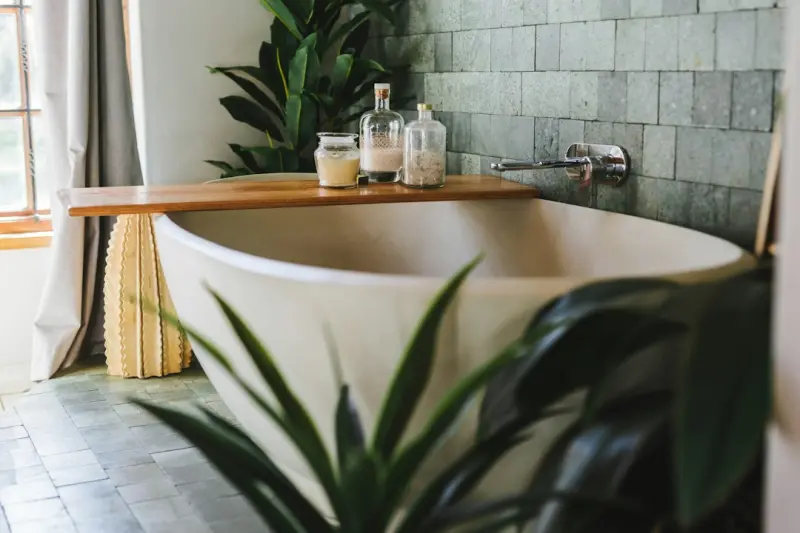
Designing a Bathroom Sanctuary: Mindful Rituals for Everyday Personal Care
Turn your bathroom from a functional space into a daily sanctuary using light, scent, sound, texture... Read More
The Unexpected Skin Benefits of a Digital Detox
A deep dive into how blue‑light exposure, stress hormones, and screen habits affect your skin, and... Read More

Reimagining Personal Care: Turning Routine into a Mind‑Body Reset
Personal care becomes a powerful reset when each step is treated as a mindful micro‑ritual, paired... Read More
Top Posts
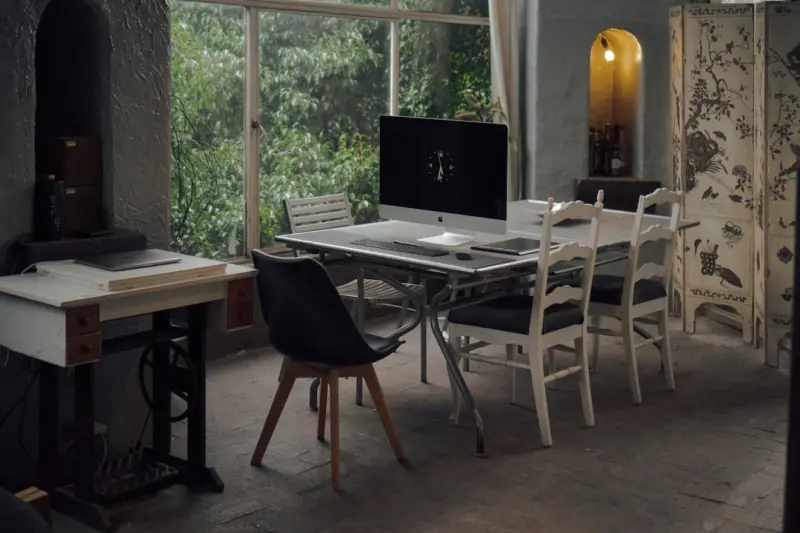
Upcycled‑Furniture Home Office: Turning Second‑Hand Finds Into a Productivity Hub
Discover a step‑by‑step plan to create a high‑performing home office using reclaimed furniture. From sourcing pieces to ergonomic setup, this guide blends...Read More

Digital Declutter: Rewiring Your Mind for Calm in a Hyper‑Connected World
Learn how intentional screen‑free pauses, storytelling, and playful creativity can transform chronic digital stress into lasting mental calm and resilience....Read More

Why Employee Experience Platforms Are the New Competitive Edge
Employee experience platforms have evolved from simple benefits portals into holistic, AI‑driven systems that anticipate employee needs, boost retention, and ...Read More

Eating With Your Clock: The Science of Chrononutrition
Chrononutrition reveals that when you eat matters as much as what you eat. By syncing meals with your body’s internal clock, you can improve metabolism, stabi...Read More
0 Comments
Post Comment
You will need to Login or Register to comment on this post!