
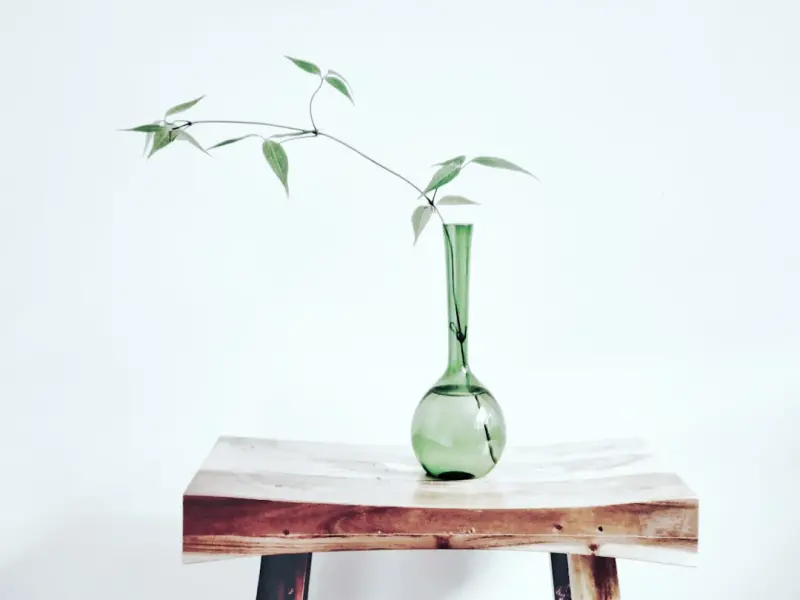
The Joy of Upcycling at Home
Imagine walking through a living space where every object tells a story of renewal, where a reclaimed wooden crate becomes a chic side table and a stack of weathered pallets transforms into a sleek coffee centerpiece; that vision is not a distant dream but a tangible reality waiting to unfold in your own home, and I’ve discovered that the process of giving new life to forgotten items awakens a quiet confidence that reverberates through every room. I first fell in love with upcycling during a summer stint in a tiny coastal cottage, where limited square footage forced me to become inventive, and I quickly realized that the thrill of hunting for discarded treasures at flea markets, curbside sales, and thrift stores is matched only by the satisfaction of watching those finds evolve into functional art that reflects my personality. Upcycling isn’t merely a hobby; it’s a sustainable design philosophy that blends creativity with responsibility, allowing you to reduce waste, save money, and curate a home aesthetic that feels authentically yours without ever sacrificing style or comfort.
Finding the Right Materials
Before you dive into any project, take a moment to assess the spaces in your home that could benefit from a fresh infusion of character, because the most successful upcycled pieces often emerge from items that already sit on the periphery of daily life, waiting patiently for a second chance to shine; start by scanning your garage, attic, or even the back of your closet for sturdy wood, metal frames, glass jars, or fabric remnants that have been gathering dust, and consider the condition, dimensions, and inherent textures of each piece as clues to what they could become. I recommend keeping a small notebook or a digital note app handy, jotting down measurements, material types, and potential color schemes, while also snapping a quick photo to capture the raw beauty of the object before any transformation begins—this simple habit not only streamlines the planning phase but also fuels your imagination as you match each find with a purpose‑driven design concept. Finally, don’t overlook community resources such as local recycling centers, construction sites, or neighborhood “freecycle” groups, where you can often acquire high‑quality components like reclaimed barn wood or vintage metal brackets at little to no cost, turning the act of sourcing into a rewarding treasure hunt that sets the stage for truly unique home décor.
Project One: Pallet‑Made Coffee Table
One of my favorite starter projects is converting a pair of reclaimed wooden pallets into a sturdy, stylish coffee table that anchors a living room while echoing a rustic charm, and the process begins with selecting pallets that are in good condition, free of rot, and have a consistent grain pattern that will lend visual harmony once sanded; after cleaning the pallets with a gentle scrub and allowing them to dry, I sand each board down to a smooth finish, then arrange them in a double‑layer layout, securing the top and bottom layers with discreet brackets for added stability. To elevate the piece, I added a sleek glass top that protects the wood from everyday spills while preserving the natural texture underneath, and I finished the surface with a matte, low‑VOC polyurethane that enhances durability without sacrificing the organic feel. For inspiration on how to blend such natural elements with modern interiors, you might explore the ideas presented in Vertical Garden Mastery, which demonstrates how simple, nature‑inspired designs can coexist beautifully with contemporary living spaces.
Project Two: Crate‑Based Wall Storage
Transforming vintage wooden crates into a functional wall‑mounted storage unit offers a quick way to declutter while adding a touch of industrial elegance to any room, and the first step involves selecting crates of uniform size and weathered finish, then reinforcing each with corner braces to ensure they can bear the weight of books, plants, or decorative objects; I sand the surfaces just enough to smooth splinters, then apply a soft white chalk paint that both highlights the wood’s grain and creates a subtle backdrop for the items you’ll display. Once the paint is dry, I arrange the crates in a staggered pattern on a plywood backing, securing them with sturdy screws and adding hidden brackets that keep the units flush against the wall, creating a seamless visual flow. A final touch of copper pipe brackets not only serves as a decorative accent but also provides an extra layer of support for heavier pieces. This project aligns perfectly with the ethos of Sustainable DIY Outdoor Living, illustrating how eco‑friendly practices can be woven into indoor décor to produce stylish, responsible solutions.
Project Three: Bottle‑Light Pendants
Reimagining empty glass bottles as pendant lights injects a whimsical, handcrafted glow into kitchens, dining rooms, or even hallway alcoves, and the journey starts with gathering bottles of varying shapes—think amber beer bottles, clear soda bottles, or elegant wine decanters—that you can clean thoroughly and remove any labels; after ensuring each bottle is free of residue, I drill a small hole near the base to thread a copper cord, then attach a simple socket and LED bulb, which not only provides energy efficiency but also keeps the heat output low enough to protect the glass. To create a cohesive look, I selected bulbs with a warm, amber hue that complements the natural tones of the glass, and I arranged the pendants at differing heights along a sturdy wooden dowel, allowing the light to cascade softly across the room while casting interesting shadows that add depth and intrigue. This understated yet impactful upgrade demonstrates how a handful of everyday items can become focal points, proving that design brilliance often resides in the simplest of transformations.
Styling Tips for a Cohesive Upcycled Look
When integrating upcycled pieces into your home, aim for a balanced palette that ties the reclaimed elements together with the existing décor, and one effective strategy is to select a dominant color—such as a muted sage, soft ivory, or deep charcoal—and echo that hue across textiles, wall paint, and smaller accessories, ensuring the new items feel like natural extensions of the space rather than isolated statements; I find that layering textures—combining smooth glass, rugged wood, and sleek metal—adds visual interest while preventing the room from feeling monotonous. Additionally, consider the scale of each piece; a large pallet table should be offset by smaller, delicate accents like the bottle‑light pendants, creating a rhythm that guides the eye comfortably through the room. Finally, don’t forget to incorporate personal touches—perhaps a family photograph framed in reclaimed wood or a handmade woven rug—that reinforce the story behind each upcycled item, turning your home into a living narrative of creativity and sustainability.
Beyond the Living Room: Expanding Upcycling Throughout the Home
The principles of upcycling can extend far beyond the common gathering spaces, inviting you to reimagine bedrooms, bathrooms, and even entryways with the same spirit of ingenuity; for instance, repurposing an old wooden ladder as a decorative towel rack in the bathroom not only saves space but also adds a rustic charm, while a set of reclaimed drawer pulls can give new life to plain kitchen cabinets with a touch of vintage flair. I also love turning an abandoned door into a headboard that anchors the bedroom with character, sanding it down, staining it to match the bedding, and adding simple brackets for easy installation, creating a focal point that feels both bold and intimate. In smaller apartments, a set of hanging planters fashioned from reclaimed tin cans can bring greenery to vertical surfaces without sacrificing floor space, and a refurbished wooden crate can serve as a portable bedside organizer that keeps books, glasses, and a charging station within arm’s reach. By viewing every room as a canvas for sustainable creativity, you continuously discover fresh opportunities to blend function with art, reinforcing the idea that a thoughtfully upcycled home is a dynamic, ever‑evolving sanctuary.
Sharing Your Upcycled Journey
Once you’ve completed a few projects, I encourage you to share the transformation with friends, family, or an online community, because the act of documenting your process—through photos, short videos, or even a simple blog post—creates a ripple effect that inspires others to embark on their own sustainable design adventures, and you’ll often receive valuable feedback, tips, or material suggestions that can enhance future creations; I personally love posting before‑and‑after shots on social media, using hashtags that celebrate upcycling and home décor, which not only showcases your handiwork but also connects you with a network of like‑minded creators. If you’re looking for additional inspiration or want to dive deeper into the broader conversation about responsible living, consider checking out Digital Badges Insight, where the discussion of personal growth and skill recognition mirrors the empowerment you experience when mastering DIY projects. Ultimately, every piece you repurpose adds a chapter to your home’s story, and by sharing that narrative you invite others to write theirs, cultivating a community where creativity, sustainability, and personal expression flourish hand in hand.

When it comes to the world of blogging and writing, Rose DesRochers is a name that stands out. Her passion for creating quality content and connecting with her audience has made her a trusted voice in the industry. Aside from her skills as a writer and blogger, Rose is also known for her compassionate nature.
Related Posts
The Secret Life of Soil: Turning Your Yard into a Living Laboratory
Discover a fresh approach to gardening by treating your yard as a living laboratory. Learn to test s... Read More
From Lawn to Larder: Growing a Food‑First Landscape
A practical guide to turning a typical lawn into an edible garden, covering planning, plant selectio... Read More
Garden Desk Magic: Transforming Home Life, Work, and Wellness
A garden desk isn’t just a workspace; it’s a sanctuary where home life, work, and wellness conve... Read More
Top Posts

Rewiring Your Body Clock: Simple Strategies to Align with Your Natural Rhythm
Learn how to harness natural light, meal timing, movement, and mindful tech use to reset your circadian rhythm, enhancing energy, focus, and sleep quality....Read More

Light‑Infused Living: How Sunlit Spaces Elevate Your Health
Natural light isn’t just a design trend—it’s a powerful health tool. Explore the science behind sunlight’s impact on hormones, cognition, and immunity, ...Read More

Why Micro‑Learning is the Secret Sauce for Modern Employee Growth
Micro‑learning, with its bite‑size modules and flexible delivery, is reshaping how companies develop talent. This post explores its impact on hybrid work, n...Read More

Strategic Napping: The Underrated Power Move for Modern Professionals
A brief, well‑timed nap aligns with our natural circadian dip, offering a science‑backed boost in alertness, memory, and overall health—turning a simple p...Read More
0 Comments
Post Comment
You will need to Login or Register to comment on this post!