
Revamping Curb Appeal: The Power of Seasonal Plant Boxes
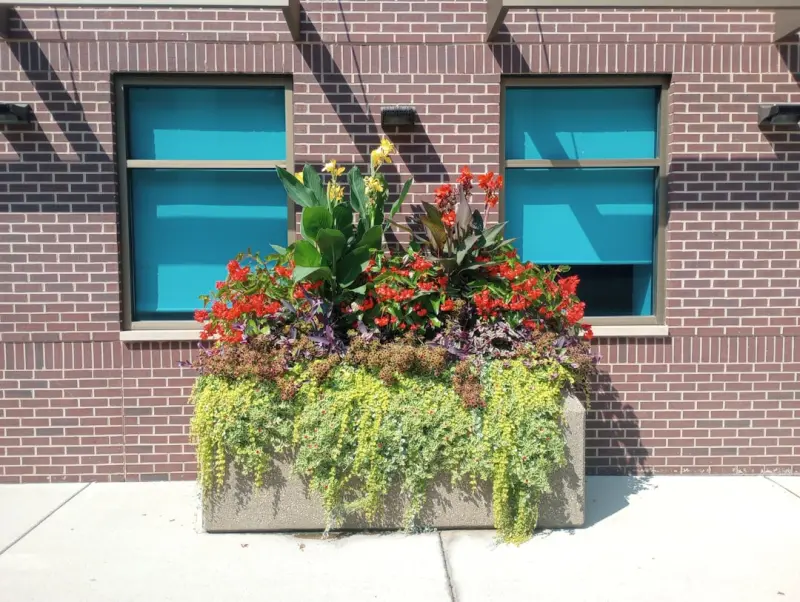
When you pull up to a house, those first few seconds dictate whether a passerby feels intrigued, indifferent, or inspired, and a strategically designed front‑yard ensemble can tip the scale toward awe rather than apathy, especially when the centerpiece is a series of well‑chosen plant boxes that change with the seasons; I’ve spent countless weekends swapping pots, tweaking color palettes, and watching neighbors pause to snap photos, because a seasonal plant box isn’t just a decorative afterthought—it’s a narrative that tells the story of your style, climate, and willingness to experiment. The magic lies in treating each box as a miniature stage, selecting a backdrop of evergreen structure, then layering annuals, perennials, and even a touch of ornamental grass to create depth, texture, and surprise as the weeks roll by, and by planning a planting calendar that aligns bloom times with local weather patterns you guarantee visual interest from early spring tulips to late‑fall ornamental cabbage. To keep the look polished and sustainable, I gravitate toward reclaimed wooden crates, repurposed metal troughs, or even upcycled pallets—materials that echo the eco‑friendly home renovation ethos while adding rustic charm, and I finish each container with a weather‑resistant liner, a well‑draining soil mix, and a slow‑release fertilizer that feeds the plants for weeks without constant attention.
Choosing the right containers begins with understanding the architectural language of your home; a sleek, modern façade pairs best with minimalist concrete planters or powder‑coated steel boxes, while a cottage‑style residence welcomes weathered wood and wrought‑iron accents that whisper of nostalgia, and the size of each box should reflect both the scale of the front door and the visual weight you wish to distribute across the pathway, ensuring that no single element overwhelms the composition. Once the vessels are in place, the plant selection becomes a dance of color theory, foliage form, and seasonal rhythm—think chartreuse hellebores for early spring, vivid orange coneflowers at midsummer, and deep‑purple heathers as frost approaches, interspersed with evergreen rosemary or dwarf boxwood to provide year‑round structure; by grouping plants with complementary water and light needs you simplify maintenance while still achieving a garden that feels curated and intentional. Finally, the rotation schedule is your secret weapon for staying ahead of the curve: every four to six weeks, pull the fading annuals, trim back the perennials, refresh the soil, and introduce a new set of seedlings, documenting each change in a simple spreadsheet or garden journal so you can track what thrives, what needs tweaking, and how each color story evolves, turning your curb appeal into a living, breathing gallery that invites compliments season after season.
Beyond aesthetics, seasonal plant boxes offer practical benefits that often go unnoticed; they act as natural insulation for the foundation, help manage runoff by absorbing rainwater, and can even deter pests when you incorporate aromatic herbs like lavender, thyme, or sage, creating a fragrant barrier that keeps unwanted insects at bay while delighting the senses of anyone who walks by. To maximize these functional perks, I recommend placing a shallow layer of decorative mulch on top of the soil—it not only conserves moisture and suppresses weeds but also adds a polished finish that ties the entire front yard together, and pairing the boxes with low‑profile edging or a simple gravel path ensures a clean transition from sidewalk to garden, reducing tripping hazards and enhancing accessibility for all visitors. As you experiment, don’t be afraid to think outside the box—literal and figurative—by integrating small decorative elements such as vintage garden statues, reclaimed lanterns, or even a weather‑proof chalkboard that invites guests to leave a friendly note, turning a simple curbside feature into an interactive experience that reflects your personality, fosters community connection, and ultimately boosts the perceived value of your property.
Lighting the Way: Solar‑Powered Fixtures for a Nighttime Wow
As daylight fades, the true character of your front yard emerges, and nothing amplifies that transformation more dramatically than thoughtfully placed solar‑powered lighting that casts gentle glows, highlights architectural details, and guides visitors safely to the front door without a single electric bill; I’ve experimented with everything from discreet path lights to bold, oversized lanterns, discovering that the key to a cohesive nighttime aesthetic lies in layering light sources to create depth, drama, and subtlety in equal measure. The first layer consists of low‑profile step lights or recessed curb lights that provide functional illumination for pathways and driveways, ensuring safety while setting a baseline brightness; the second layer introduces uplights or spotlights aimed at architectural features—think a stone column, a textured brick wall, or a striking door—adding visual interest and drawing the eye upward, and the final layer incorporates accent lights such as solar‑powered string lights draped over a pergola or placed within the seasonal plant boxes, infusing the space with a festive, welcoming ambience that feels both intentional and effortless. By selecting fixtures with adjustable heads, you retain the flexibility to reposition beams as plants grow or as you change the layout, and choosing warm‑tone LEDs over harsh white light ensures the illumination feels natural, cozy, and inviting, especially on crisp evenings when a soft amber glow can make your home appear like a sanctuary rather than a showroom.
When it comes to powering these lights, modern solar technology has leaped far beyond the clunky garden stakes of the past; today’s panels are sleek, efficient, and can be discreetly hidden beneath mulch, integrated into decorative stone bases, or even mounted on the back of a railing, allowing you to harvest daylight without compromising aesthetics, and the built‑in lithium‑ion batteries store enough charge to keep lights glowing well after sunset, even on overcast days; I personally favor fixtures with built‑in motion sensors for security‑focused areas, as they conserve energy by activating only when movement is detected, yet I also love the romance of a timer‑controlled “dusk‑to‑dawn” setting that ensures every fixture awakens at the same moment, creating a harmonious illumination that feels choreographed. Pairing solar lighting with other garden tech can yield surprising synergies—integrate the same solar panels that power your lights with the smart irrigation system you’ve installed, so a single renewable energy source fuels both moisture management and nighttime ambiance, reducing overall maintenance and reinforcing your commitment to sustainable living.
Installation is surprisingly straightforward, and even DIY‑novices can achieve professional‑grade results with a few basic tools; start by mapping out the areas you want illuminated, marking the exact spots for each fixture, then dig shallow holes just deep enough to accommodate the base of the solar unit, ensuring the panel faces true south (or north in the Southern Hemisphere) for optimal sun exposure, and once the unit is seated, fill the hole with compacted soil, test the sensor or timer function, and step back to admire the soft radiance that now defines your entryway after dark. Maintenance is minimal—periodic cleaning of the solar panel surface with a damp cloth removes dust and debris that could impede charging, and a quick check of the battery health every six months ensures the lights will continue to perform reliably; by treating your lighting as an evolving design element rather than a set‑and‑forget utility, you’ll find endless opportunities to swap fixtures, experiment with color‑changing LEDs for seasonal celebrations, or add new layers of illumination as your front‑yard narrative expands, keeping the visual experience fresh and engaging for both you and your visitors.
Entertaining Outdoors: Designing Instagram‑Worthy Backdrops
In today’s social‑media‑driven world, a front yard that doubles as a photo‑ready backdrop can elevate everyday moments into shareable memories, and the secret to achieving that “Instagram‑ready” vibe lies in blending purposeful design with personal flair, creating spaces that feel both styled and lived‑in; I’ve learned that the most compelling scenes are those that balance bold focal points—like a striking painted door or a whimsical garden sculpture—with softer, textural layers such as hanging fabrics, patterned rugs, and a curated assortment of potted plants, all arranged to guide the eye naturally toward the house’s entry. Begin by selecting a unifying color scheme that complements your home’s exterior—soft neutrals paired with a pop of teal, for instance—then introduce accent pieces that echo those hues, such as a set of weather‑proof throw pillows on a bench, a reclaimed wooden sign with a welcoming phrase, or a collection of mismatched yet coordinated lanterns that can be swapped out seasonally; these elements act as visual anchors, giving photographers and guests clear points of interest while allowing the space to feel intentionally arranged rather than overly staged.
Furniture choices play a pivotal role in transforming a functional front porch into a stylish vignette; I gravitate toward pieces that blend comfort with durability—think a low‑profile, reclaimed‑wood coffee table topped with a glass surface for easy cleaning, paired with cushioned outdoor chairs upholstered in fade‑resistant fabric, and a fold‑out swing or hammock that adds a touch of whimsy without sacrificing practicality; incorporating upcycled items not only aligns with the upcycling mindset but also gives each piece a story, and adding a few strategic planters—perhaps a tall, sculptural agave beside the swing or a cluster of dwarf citrus trees flanking the entry steps—introduces vertical interest and a burst of fragrance that enhances both the visual and olfactory experience. Don’t overlook the power of textiles; a weather‑proof rug with a bold pattern can define the gathering zone, while outdoor‑grade curtains or sheer drapes hung from a simple rod create a sense of intimacy and movement, especially when a gentle breeze catches them, and seasonal accessories—like a pumpkin arrangement in autumn or a garland of fresh pine in winter—keep the backdrop fresh and relevant throughout the year.
Finally, think about the storytelling potential of interactive elements that invite guests to engage with the space, turning a simple photo op into a memorable experience; a small chalkboard sign where visitors can leave a quick note, a DIY photo booth frame crafted from reclaimed pallet wood, or a set of vintage suitcases stacked as a side table each add personality and encourage interaction, while subtle lighting—such as battery‑operated fairy lights tucked into the plant boxes or a solar‑powered lantern on the table—provides a soft glow for evening gatherings, ensuring your front yard remains photogenic day or night. By treating your entrance as a living canvas—one that evolves with the seasons, reflects your personal taste, and incorporates sustainable practices—you not only boost curb appeal but also create a welcoming stage for celebrations, casual drop‑ins, and those spontaneous selfie moments that keep friends and followers talking, ultimately turning your home’s façade into a dynamic extension of your lifestyle.

Jimmy Damon loves to right on a large scale of topics with all things Canadian as this Montreal die hard loves hockey. fishing and sports.
Related Posts
From Lawn to Laptop: The Garden Desk Trend That's Boosting Home Life
A garden desk isn’t just a piece of furniture—it's a lifestyle upgrade that merges outdoor bliss... Read More

DIY Upcycled Planters: Turning Household Waste into Garden Art
Learn to turn discarded items into eye‑catching planters, blend art with sustainability, and keep ... Read More

Harvest the Yard: Building a Year‑Round Edible Landscape
Discover how to turn any backyard into a thriving edible landscape with practical planning, diverse ... Read More
Top Posts

Shared Gear, Shared Stories: The Rise of Portable Adventure Rentals
Gear‑sharing hubs are transforming travel by letting explorers rent high‑tech adventure gear, reducing weight, cost, and environmental impact while fosterin...Read More

Transform Your Living Space into a Sensory Sanctuary Without Breaking the Bank
Learn how to turn ordinary rooms into calming, energizing sanctuaries using simple lighting, scent, texture, and organization tricks that won’t strain your bu...Read More

Why Garden Desks Are Becoming the Ultimate Employment Edge
Explore how garden desks are reshaping modern employment, enhancing focus and creativity while offering a sustainable, nature‑infused workspace....Read More
Why Garden Desks Are the Secret Weapon for Modern Employment
Explore the benefits of garden desks for modern employment—productivity, wellness, and creativity—all from a personal, hands‑on perspective....Read More
0 Comments
Post Comment
You will need to Login or Register to comment on this post!