
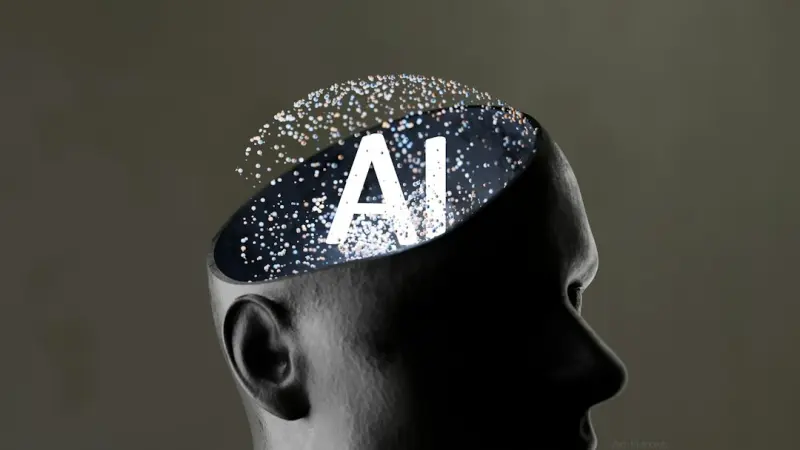
AI‑Infused Knowledge Hubs: Turning Data Into Actionable Insight for Teams
When I first stepped into a fast‑growing SaaS startup, the most common phrase I heard was, “We have data, but we can’t make sense of it.” It felt like sitting in a library where every book is written in a language you don’t speak. Fast forward a few months, and the conversation has shifted to how we can let the data speak for itself. That’s where AI‑infused knowledge hubs come into play—a quiet yet powerful transformation that’s redefining collaboration, decision‑making, and even the culture of B2B organizations.
Why Traditional Knowledge Management Falls Short
Traditional knowledge‑management systems were built for an era when information was static. They relied on manual tagging, hierarchical folders, and periodic updates. The result? Knowledge silos, outdated documents, and a perpetual chase after “the latest version.” In a world where product releases happen weekly and market signals shift daily, those systems are more hindrance than help.
- Search friction: Employees spend minutes—sometimes hours—digging through irrelevant results.
- Context loss: A sales deck from six months ago might not reflect the newest pricing model.
- Low adoption: When the tool feels like a burden, teams bypass it entirely.
Enter AI. By learning from usage patterns, language nuances, and real‑time data streams, AI can turn a static repository into a living, breathing knowledge hub that evolves with your organization.
Core Pillars of an AI‑Driven Knowledge Hub
Building an AI‑infused hub isn’t about slapping a chatbot onto an existing wiki. It requires a holistic approach that blends technology, process, and people.
1. Semantic Understanding
Instead of keyword matching, modern language models grasp the meaning behind queries. Ask, “What’s the latest pricing tier for mid‑market customers?” and the hub pulls the exact policy, the supporting rationale, and even related case studies—all in seconds.
2. Real‑Time Contextualization
Data doesn’t sit in a vacuum. An AI hub continuously ingests feeds from product releases, support tickets, and market news, stitching them together. When a new feature rolls out, the hub automatically updates relevant onboarding guides, sales playbooks, and internal FAQs.
3. Proactive Recommendations
Imagine receiving a nudge that a competitor just announced a feature similar to yours, along with a suggested response playbook. AI can surface these insights before anyone even asks, turning reactive teams into proactive strategists.
4. Adaptive Learning Paths
Onboarding new hires used to be a one‑size‑fits‑all checklist. Today, AI curates personalized learning journeys based on a newcomer’s role, prior experience, and even learning style—delivering the right content at the right moment.
5. Trust & Governance
Enterprise AI must be auditable. Robust version control, source attribution, and bias detection ensure that the knowledge hub remains a trustworthy source, not a black box.
From Silos to Symphonies: Real‑World Impact
Let’s walk through a typical day in a company that’s fully embraced an AI knowledge hub.
Morning Brief
At 8:30 am, the sales team receives a concise AI‑generated briefing: “Top three accounts showing increased intent on feature X; suggested outreach scripts; recent support tickets indicating a pain point you can address.” This isn’t a generic report; it’s a snapshot stitched from CRM, support logs, and product analytics.
Product Development Sync
During the sprint planning meeting, the product manager asks, “What’s the sentiment around our new UI redesign?” The hub instantly surfaces sentiment analysis from user surveys, beta tester comments, and social media chatter, complete with confidence scores. The team can prioritize tweaks without spending hours on manual research.
Customer Success Check‑In
A support engineer receives a recommendation: “Client ABC just opened a ticket about X; here’s a knowledge article that resolved a similar issue for a peer, plus a short video walkthrough.” The resolution time drops dramatically, and the customer feels heard.
Continuous Learning Loop
Every interaction feeds back into the AI model. When a team member flags an outdated article, the system updates the source, notifies all impacted stakeholders, and adjusts future recommendations accordingly.
Implementation Blueprint
Transitioning to an AI‑infused hub can feel daunting, but breaking it into manageable phases helps keep momentum.
- Audit Existing Assets: Catalog all current knowledge sources—wikis, PDFs, recordings. Identify gaps and redundancies.
- Choose the Right Foundation: Platforms that support plug‑and‑play language models, robust APIs, and fine‑tuning capabilities are essential.
- Start Small, Scale Fast: Pilot with a single department (e.g., sales enablement). Gather feedback, refine the model, then roll out to other teams.
- Embed Governance Early: Define data ownership, version control policies, and audit trails from day one.
- Champion Adoption: Offer micro‑training, showcase quick wins, and celebrate early adopters to build a culture of trust.
Measuring Success
Unlike traditional tools where adoption metrics are binary, AI knowledge hubs demand nuanced KPIs:
- Time‑to‑Insight: Average minutes saved per query.
- Resolution Rate: Percentage of support tickets closed with AI‑suggested content.
- Content Freshness Index: Ratio of up‑to‑date vs. stale documents.
- Employee Satisfaction: Survey scores on ease of finding information.
Tracking these metrics helps justify investment and uncovers opportunities for further optimization.
Integrating with Existing AI Initiatives
If your organization already leverages AI in other domains, the knowledge hub can become a central nervous system that unifies those efforts. For instance, the same language model powering your chatbot can also power the hub’s semantic search, creating consistency across touchpoints.
To see an example of AI acting as a collaborative partner in product development, check out our piece on AI as a design partner. It illustrates how generative models can co‑create assets—a principle that translates directly into dynamic knowledge creation.
Potential Pitfalls and How to Avoid Them
Even the most sophisticated AI can stumble if not guided properly.
Over‑Automation
Relying solely on AI to generate content can lead to generic or inaccurate information. Keep a human‑in‑the‑loop for critical updates, especially those involving compliance or legal nuance.
Bias Amplification
Language models inherit biases from training data. Regular audits and diverse data sources mitigate this risk, ensuring the hub reflects the full spectrum of your organization’s voice.
Data Silos Persist
If data pipelines aren’t integrated, the hub will only see a fragment of reality. Invest in robust connectors to CRM, ERP, and other enterprise systems.
Change Fatigue
Introducing new technology without clear communication can overwhelm teams. Pair rollout with storytelling—show how the hub solves real pain points, not just a tech upgrade.
Future Horizons: What’s Next for AI Knowledge Hubs?
We’re standing at the cusp of several exciting developments:
- Multimodal Retrieval: Combining text, video, and audio in a single query—ask “Show me the demo for feature Y” and get a short clip alongside the transcript.
- Predictive Insight Generation: AI not only answers questions but also predicts upcoming information needs based on project timelines and market trends.
- Cross‑Organizational Learning: Secure federated models that allow knowledge sharing between partner companies without exposing raw data.
As these capabilities mature, the knowledge hub will evolve from a repository to a strategic intelligence engine—anticipating needs, surfacing opportunities, and empowering every employee to act with confidence.
Final Thoughts
The shift from static documentation to AI‑infused knowledge hubs isn’t just a tech upgrade; it’s a cultural renaissance. It demands humility—acknowledging that we don’t have all the answers—and curiosity, to constantly refine the system based on real‑world feedback. When done right, the hub becomes a shared brain, turning fragmented data into collective wisdom.
If you’re wondering how AI can also serve personal development within your organization, our article on AI coaching for career growth offers practical insights. The same principles of personalization and proactive recommendation apply, whether you’re upskilling or delivering a client solution.
In the end, the true power of AI lies not in replacing human expertise but in amplifying it—making the right knowledge available at the right moment, to the right person.

Amanda is a passionate writer exploring a kaleidoscope of topics from lifestyle to travel and everything in between.
Related Posts

AI as the Silent Mentor for Enterprise Learning
Generative AI can act as a silent mentor, transforming static repositories into interactive assistan... Read More

When Ambient AI Becomes the Invisible Hand of Your Workflow
Ambient AI turns everyday workspaces into responsive, low‑friction environments that anticipate ne... Read More

When Algorithms Listen: The Rise of AI Empathy in the Workplace
AI empathy engines turn everyday digital signals into real‑time insights, helping leaders act with... Read More
Top Posts

Sleep Smarter: Night‑time Strategies for a Sharper Day
A practical guide to mastering sleep through light management, breathwork, consistent rituals, and a sleep‑optimized bedroom, helping you wake up refreshed an...Read More

Transform Your Backyard into a Productive Oasis with a Garden Desk
Explore the rise of garden desks and learn how to create a stylish, eco‑friendly outdoor workspace that enhances focus, well‑being, and your home garden’s...Read More

The Joy of Unplanned Wandering: How Serendipity Fuels Deeper Travel Experiences
Explore why letting go of strict itineraries and following curiosity leads to unforgettable travel moments and lasting memories....Read More
The Untapped Power of Internal Talent Marketplaces
An internal talent marketplace turns static job listings into dynamic opportunity cards, matching real‑time skill data with project needs, boosting agility, i...Read More
0 Comments
Post Comment
You will need to Login or Register to comment on this post!