

When I first heard the phrase “mental health dashboard,” I imagined a sleek, corporate‑style interface full of graphs and KPIs—something you’d see on a wall in a tech startup’s war room. My brain, however, immediately balked. “Mental health isn’t a spreadsheet,” I thought. And yet, as a lifelong advocate for turning abstract well‑being concepts into concrete, repeatable habits, I’ve found that a dashboard isn’t about reducing the soul to numbers. It’s about giving you a clear, compassionate view of the invisible currents that shape your daily experience, so you can steer with intention instead of drifting into overwhelm.
Why Data Can Be a Friend, Not a Foe
We live in an era that glorifies metrics. Click‑through rates, conversion funnels, and quarterly revenue targets dominate boardrooms, while personal wellness often remains an anecdotal footnote. The problem isn’t the data itself; it’s the lack of a systematic approach that translates feeling‑based experiences into something observable and, importantly, actionable.
Think of the last time you felt “off” at work. You might have blamed a bad night’s sleep, a looming deadline, or a difficult conversation. The truth is usually a blend of several invisible variables—sleep quality, caffeine intake, emotional spillover from a personal relationship, even the ambient temperature of your home office. Without a way to see those pieces together, you’re left guessing, and guessing rarely leads to sustainable change.
By treating mental health like any other performance metric—tracking, reflecting, and iterating—you gain two critical superpowers. First, you create a feedback loop that catches early warning signs before they become crises. Second, you empower yourself to experiment with small, low‑risk adjustments and see in real time which ones actually lift your mood or sharpen your focus.
Designing the Dashboard: Core Pillars to Track
Building a mental health dashboard doesn’t require a Ph.D. in data science. Start with three foundational pillars that capture the most influential aspects of well‑being: mood, energy, and boundary integrity. Each pillar can be measured in a way that feels natural to you.
- Mood: Use a simple 5‑point scale (1 = very low, 5 = very high) or an emoji set (😞, 😐, 🙂, 😊, 😄). Log the rating at consistent times—first thing in the morning, after lunch, and before bed—to spot diurnal patterns.
- Energy: Rate physical stamina and mental sharpness separately. You might find that you have high physical energy but low mental clarity after a long screen session, indicating a need for a cognitive break.
- Boundary Integrity: This is the often‑overlooked metric that tracks how well you stick to your self‑imposed limits. Did you say “no” to an extra meeting? Did you respect your “no‑email after 8 pm” rule? Mark each instance with a check or a brief note.
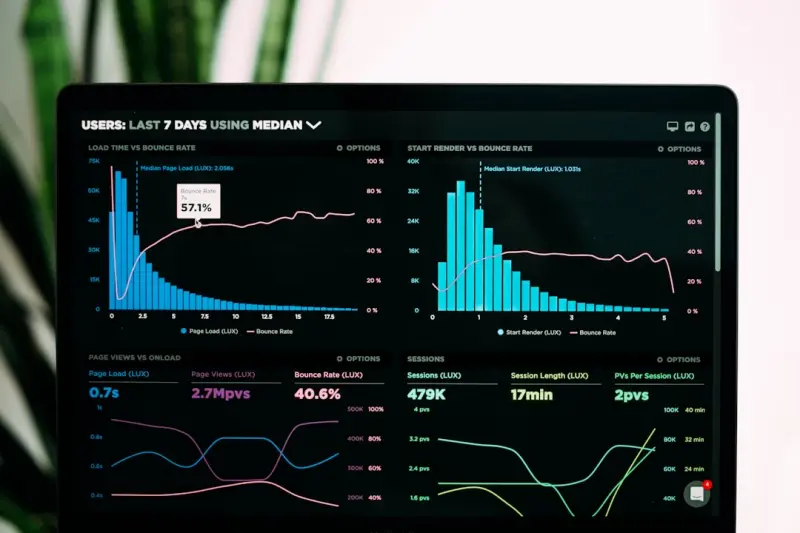
Once you have these data points, you can plot them on a weekly heat map or a simple line chart. The visual cue—color‑coded bands of green, yellow, and red—instantly tells you where you’re thriving and where you might need a tweak.
Integrating the Dashboard with Your Existing Routines
Data collection feels like an extra task, but it can be woven seamlessly into habits you already practice. Here are three low‑effort integration ideas:
- Morning Ritual Sync: Pair your mood check with your coffee brew. As the kettle whistles, pull out your phone or notebook and record the first data point.
- Midday Micro‑Pause: Use a calendar reminder to pause for two minutes, glance at your energy rating, and note any distractions that have crept in.
- Evening Reflection Ritual: Before you log off, review your boundary integrity for the day. Celebrate the wins (that meeting you declined) and flag the slip‑ups (late‑night scrolling).
These tiny moments become anchor points, turning data capture from a chore into a mindful pause. Over time, you’ll notice that the act of logging itself brings a subtle, grounding awareness—an added mental health benefit that’s hard to quantify but impossible to ignore.
Leveraging External Resources for Better Insight
While your personal dashboard is the centerpiece, you don’t have to reinvent every wheel. Existing research and tools can enrich your understanding. For instance, the connection between sleep and cognitive resilience is well‑documented. A deep dive into strategic sleep design reveals practical steps—like temperature control, blue‑light limitation, and sleep‑consistent routines—that can be added as sub‑metrics within your energy pillar.
Nature, too, offers a powerful reset button. If you have a backyard or access to a park, consider integrating a brief “sensory reset” into your day. A walk in a sensory garden (or any green space) can be logged as a “nature boost” flag, helping you correlate how exposure to natural stimuli impacts both mood and energy.
From Insight to Action: The Iterative Loop
Collecting data is only half the journey. The real magic happens when you translate patterns into experiments. Suppose your heat map shows a consistent dip in energy on Tuesday afternoons, coinciding with a weekly status meeting. Your hypothesis might be: “The meeting’s length drains mental stamina.” To test, you could propose a 15‑minute agenda, add a five‑minute silent reflection at the end, or even shift the meeting to a different time slot.
Track the outcome for a month. If the energy dip lessens, you’ve validated a change. If not, iterate—perhaps the issue is the content, not the timing. This scientific method of hypothesis‑testing turns vague frustration into concrete, repeatable improvement cycles.
Addressing the Emotional Weight of Self‑Tracking
It’s natural to feel a twinge of vulnerability when you start quantifying emotions. The fear of “judging” yourself can creep in, turning a supportive tool into a source of anxiety. To keep the dashboard compassionate, embed two safeguards:
- Non‑Judgmental Language: Replace “bad day” with “learning opportunity.” Your notes should read like a supportive coach, not a harsh auditor.
- Celebratory Metrics: Include a “wins” column where you record even the smallest successes—a five‑minute meditation, a lunch break taken without guilt, a boundary upheld.
These practices ensure the dashboard remains a partner in growth rather than a punitive scoreboard.
Scaling the Dashboard for Teams (Optional)
If you find personal success, consider sharing the framework with a small group—perhaps your department or a peer support circle. The key is anonymity and voluntary participation; the goal isn’t to compare scores but to foster a culture where mental health data is treated with the same respect as project metrics.
A team dashboard can surface collective trends—like a shared dip in energy during a product launch—prompting group‑level interventions such as shared mindfulness breaks or rotating “focus hours” where meetings are paused.
Final Thoughts: Turning the Invisible Into the Visible
Creating a mental health dashboard is an invitation to bring the same clarity, curiosity, and iterative spirit that drives successful businesses to the most personal aspect of our lives. It doesn’t strip away the humanity of mental health; it amplifies it by giving you a mirror you can actually look at, understand, and improve upon.
In a world that constantly demands our attention, the ability to pause, record, and act on our inner state becomes a competitive advantage—not for the market, but for the most valuable asset you have: yourself.

When it comes to the world of blogging and writing, Rose DesRochers is a name that stands out. Her passion for creating quality content and connecting with her audience has made her a trusted voice in the industry. Aside from her skills as a writer and blogger, Rose is also known for her compassionate nature.
Related Posts

Playful Productivity: Turning Structured Play into a Mental Health Super‑Tool
This article explores how intentional, short‑duration play can reset the brain, reduce stress, and... Read More
Micro‑Tuning Your Mind: How Tiny Practices Outsmart Everyday Stress
Explore how small, intentional practices—like micro‑reset breaths, sensory anchors, and narrativ... Read More

Reclaiming Calm: Intentional Digital Boundaries for Mental Wellness
A practical guide to setting intentional digital boundaries, using playful curiosity and AI tools to... Read More
Top Posts

Evening Garden Retreat: Light, Water, and Comfort After Dusk
Discover how to transform your backyard into a soothing evening retreat using layered lighting, gentle water features, comfortable seating, and smart organizati...Read More
Design Your Own Mental Health Dashboard
A step‑by‑step guide to building a personal mental health dashboard, turning mood, energy, and stress scores into actionable insights that improve focus, re...Read More

AI as the Invisible Co‑Pilot for Strategic Decision‑Making
AI is evolving from a tool that creates content to a silent partner that filters noise, predicts outcomes, and offers prioritized recommendations, enabling lead...Read More

Beyond Tourism: Crafting Meaningful Journeys Through Community‑Driven Experiences
Explore a fresh travel mindset that prioritizes authentic community immersion, ethical volunteering, and sustainable mobility for richer, more meaningful journe...Read More
0 Comments
Post Comment
You will need to Login or Register to comment on this post!