
Rewilding Your Living Space: A Guide to Natural Home Design
When I first stepped into my childhood home, the scent of damp pine and the gentle chorus of crickets outside the kitchen window felt like an invitation to pause. That moment sparked a quiet obsession: how can we invite the untamed, restorative qualities of nature back into our modern homes without sacrificing comfort or style? In this article, I’ll share the principles, practical steps, and surprising benefits of rewilding your living space—a trend that’s gaining momentum among designers, sustainability enthusiasts, and anyone yearning for a deeper connection to the natural world.
Why Rewilding Matters in a Digitally Saturated World
Our daily lives are increasingly mediated by screens, artificial lighting, and climate‑controlled environments. While technology has brought undeniable convenience, it’s also created a sensory disconnect that can affect mood, focus, and even physical health. Research shows that exposure to natural elements—whether a view of foliage or the texture of a living wall—can lower stress hormones, improve cognitive performance, and boost overall well‑being. Rewilding is more than a design fad; it’s a deliberate response to the physiological need for biophilic experiences.
The Core Pillars of Natural Home Design
- Raw Material Authenticity: Opt for reclaimed wood, raw stone, and unprocessed fibers that retain their natural imperfections.
- Living Elements: Integrate plants, moss, and even small water features that breathe life into static interiors.
- Organic Light & Shadow: Embrace natural daylight, diffused through sheer fabrics or strategic window placement, to create a dynamic play of light.
- Ecological Footprint: Choose sustainably sourced products and upcycled decor to minimize environmental impact.
- Sensory Texture: Incorporate tactile surfaces—think rough bark accents, woven grass mats, and earthen plaster walls—to engage the sense of touch.
Step‑by‑Step: Transforming a Conventional Room into a Rewilded Retreat
1. Conduct a Site Audit
Begin by assessing the room’s orientation, natural light availability, and existing structural constraints. Note windows that receive the most sunlight, potential wall spaces for vertical gardens, and any areas where moisture might accumulate. This audit will inform your plant selections and material choices.
2. Choose a Dominant Natural Theme
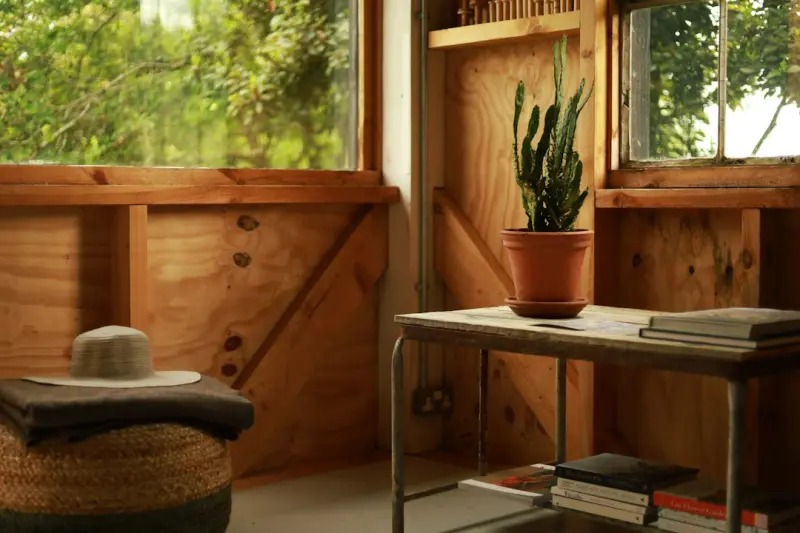
Whether you’re drawn to a forest understory, a desert oasis, or a coastal dune, selecting a cohesive theme helps streamline decisions. For a forest feel, prioritize deep greens, earthy browns, and layered foliage. For a desert vibe, lean on succulents, warm terracotta, and coarse sand‑textured rugs.
3. Source Sustainable Materials
Visit local salvage yards, reclaimed‑material markets, or online platforms that specialize in responsibly harvested timber. Look for certifications such as FSC for wood or recycled content labels for glass and metal. These choices not only reduce waste but also add a story to each piece—a narrative that resonates with visitors.
4. Install Living Walls or Pocket Gardens
Vertical greenery can transform an otherwise blank wall into a living tableau. If structural load is a concern, opt for lightweight pocket planters that can be mounted on a modular grid. Mix trailing vines with compact foliage to create depth. For inspiration, check out the year‑round edible oasis guide, which offers practical tips on integrating productive plants into limited spaces.
5. Embrace Natural Light Management
Install sheer curtains or bamboo blinds that filter sunlight without blocking it entirely. Consider light‑reflective surfaces—such as pale stone or whitewashed walls—to amplify daylight penetration. In rooms where direct sun is scarce, incorporate full‑spectrum LED fixtures that mimic natural sunlight, but use them sparingly to preserve the authenticity of the experience.
6. Add Water Elements Thoughtfully
A small tabletop fountain or a recirculating pebble pond can introduce soothing auditory cues. Ensure the water source is efficient; a closed‑loop system reduces waste while delivering the calming murmur of flowing water. Position the feature near seating areas to enhance relaxation.
7. Curate a Palette of Natural Textures
Layer textures by mixing woven baskets, linen throws, and raw wool rugs. Incorporate tactile wall treatments like clay plaster or bark cladding. These surfaces invite touch and reinforce the sensory connection to the outdoors.
8. Integrate Purpose‑Built Furniture
Select pieces that serve multiple functions—think a reclaimed wooden bench with hidden storage for gardening tools, or a coffee table made from a salvaged tree trunk that doubles as a planter base. Multi‑use furniture maximizes space while reinforcing the sustainability ethos.
9. Adopt a Maintenance Routine
Living design requires ongoing care. Establish a weekly schedule for watering, pruning, and checking soil health. Use smart moisture sensors that alert you via a phone app when plants need attention, ensuring you maintain the vibrancy of your indoor ecosystem without over‑watering.
10. Celebrate the Evolution
Unlike static décor, a rewilded space evolves with seasons. Capture its transformation through photos or a simple journal. Sharing the journey with friends or online communities can inspire others and deepen your own appreciation for the living environment you’ve cultivated.
Choosing the Right Plant Palette
Plants are the heart of any natural home design. To avoid overwhelming maintenance, select species that thrive in indoor conditions and complement your chosen theme.
- Shade‑Loving Ferns: Ideal for low‑light corners, they add a soft, feathery texture.
- Air‑Purifying Species: While we’ve covered indoor air quality elsewhere, plants like the snake plant or peace lily also contribute aesthetically.
- Succulents & Cacti: Perfect for sun‑filled windowsills, they require minimal watering.
- Herbs: Basil, mint, and rosemary not only smell wonderful but also offer culinary benefits.
When you’re uncertain about plant compatibility, consult a local nursery or use smartphone apps that diagnose lighting conditions and recommend suitable flora. Remember that the goal is to create a balanced ecosystem, not a chaotic jungle.
Technology That Enhances, Not Distracts
Smart home devices can support rewilding without compromising its ethos. For instance, automated drip irrigation systems can be programmed to water vertical gardens at optimal intervals, conserving water while freeing you from daily manual tasks. Likewise, climate‑controlled vents can maintain humidity levels favorable for moss walls.
It’s crucial to choose technology that serves the natural design, not the other way around. A discreet, energy‑efficient system integrates seamlessly, preserving the visual serenity of the space.
Case Study: From Urban Apartment to Miniature Forest
One of my recent projects involved a compact loft with limited natural light. By installing a custom-built, lightweight living wall using modular pockets, we introduced a mix of pothos, philodendron, and ferns. A reclaimed wood shelving unit doubled as a planter stand for herbs, while a reclaimed stone accent wall added a tactile focal point.
We paired the greenery with a small, recirculating water feature placed beneath a window seat, creating a gentle soundscape. The final result was a room that felt like a forest clearing—quiet, inviting, and full of life. Residents reported improved sleep quality and a heightened sense of calm, underscoring the tangible benefits of rewilding.
Balancing Aesthetics and Sustainability
Critics sometimes argue that natural design can become a superficial aesthetic trend, detached from genuine ecological responsibility. To avoid this pitfall, anchor your choices in measurable sustainability criteria: prioritize materials with low embodied carbon, select locally sourced items to reduce transport emissions, and choose plants that are native or well‑adapted to indoor environments to minimize the need for chemical interventions.
By documenting your material sourcing and plant care practices, you create a transparent narrative that demonstrates authentic commitment—something increasingly valued by conscious consumers and renters alike.
Future Trends: The Rise of Bio‑Responsive Interiors
Looking ahead, the integration of living systems with responsive technology will deepen the relationship between occupants and their environments. Imagine walls that adjust humidity based on plant health, or floor panels that generate micro‑electricity from the natural movement of soil microbes. While still emerging, these innovations promise to blur the line between architecture and ecology, making rewilded spaces not just beautiful but also self‑sustaining.
For now, the most accessible path is to start small—add a moss terrarium on your desk, hang a basket of herbs in the kitchen, or replace a synthetic rug with a woven jute runner. Each step contributes to a larger movement toward homes that breathe, grow, and thrive alongside us.
Conclusion: Your Invitation to Rewild
Rewilding isn’t a radical overhaul reserved for luxury estates; it’s an adaptable philosophy that can be woven into apartments, townhouses, or even office cubicles. By honoring raw materials, inviting living elements, and leveraging subtle technology, you can craft a sanctuary that nurtures both body and mind.
Take the first step today: identify one area in your home that could benefit from a splash of green or a reclaimed wooden accent. As you watch the space evolve, you’ll discover that the most profound transformations often begin with a single, intentional choice.

Laura Wilson is a freelance writer specializing in the dynamic and ever-evolving field of health. With a passion for translating complex medical information into accessible and engaging content, Laura brings a wealth of knowledge and a fresh perspective to topics ranging from preventative care and nutrition to cutting-edge research and innovative treatments.
Related Posts

Cultivating a Home Apothecary: The Art of Growing Medicinal Herbs Indoors
Learn to build a stylish indoor apothecary, grow medicinal herbs year‑round, and turn fresh botani... Read More
Designing a Year‑Round Sensory Garden That Feeds the Soul
Discover how to craft a multi‑season sensory garden that engages the senses, supports mental calm,... Read More
Why My Garden Desk Became the Heartbeat of Home Living
A garden desk turned my backyard into a thriving creative hub, where sunlight fuels focus, nature sp... Read More
Top Posts

Why Structured Sabbaticals Are the Secret Weapon for Modern Companies
A strategic look at how structured sabbaticals can reduce turnover, accelerate innovation, and boost employee engagement, turning planned time‑off into a powe...Read More
From Lawn to Larder: Growing a Food‑First Landscape
A practical guide to turning a typical lawn into an edible garden, covering planning, plant selection, soil health, water conservation, and community sharing fo...Read More
Cultivating Success: How My Green Workspace Transforms Home & Garden Living
Jimmy Damon reveals how turning a garden desk into a green workspace reshapes productivity and home living, offering practical tips and inspiring stories for su...Read More

Cultivating a Living Wall: A Homeowner’s Guide to Green Air and Calm Spaces
Learn step‑by‑step how to turn a blank wall into a thriving living mural that improves indoor air, adds natural fragrance, and offers a calming visual escap...Read More
0 Comments
Post Comment
You will need to Login or Register to comment on this post!