
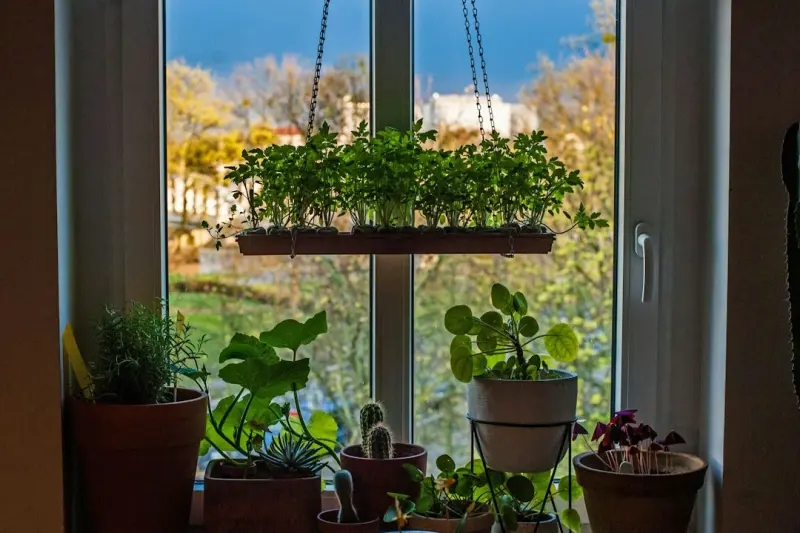
Imagine stepping onto your porch and feeling the pulse of the earth beneath your feet, the scent of thriving herbs mingling with fresh rain, and a quiet confidence that your garden is doing more than looking pretty—it’s actively healing the planet. This isn’t a distant utopia reserved for eco‑activists with acres of land. It’s a movement that’s gaining momentum in suburban backyards, city balconies, and even high‑rise apartments. Regenerative home gardening flips the script on traditional landscaping: instead of merely managing a space, you nurture a living system that enriches soil, supports biodiversity, and returns tangible benefits to your kitchen table.
Why Regenerative Gardening Matters
At its core, regenerative gardening is about working with nature’s own processes to rebuild the health of your soil. Conventional lawns often rely on synthetic fertilizers, heavy mowing, and chemical pest controls, which can degrade soil structure, suppress beneficial microbes, and create a dependency loop of inputs. In contrast, a regenerative approach focuses on increasing organic matter, fostering microbial diversity, and designing plant communities that support each other. The payoff is profound: richer, more resilient soils that hold water better, sequester carbon, and produce healthier plants with fewer external inputs.
Building Soil Health from Scratch
Before you plant the first seed, ask yourself: what does my soil need? A quick texture test (feel a handful of damp soil; it should crumble easily) and a simple pH strip can reveal whether you’re dealing with compacted clay, sandy drainage, or something in between. From there, the following steps lay a solid foundation:
- Organic Matter Boost: Add a layer of well‑composted organic material—think kitchen scraps, leaf litter, or finished compost. This feeds soil microbes and improves structure.
- Cover Crops: Plant nitrogen‑fixing legumes (like clover or vetch) in off‑seasons. They protect the soil from erosion, suppress weeds, and naturally enrich nitrogen levels.
- Mulching: A thick mulch blanket of wood chips, straw, or shredded leaves conserves moisture, moderates temperature, and slowly releases nutrients as it breaks down.
These practices are low‑tech, cost‑effective, and can be scaled to any space, from a 10‑square‑foot balcony to a sprawling suburban lot.
Designing Multi‑Functional Garden Spaces
Regenerative gardens aren’t just functional—they’re beautiful. The trick is to blend aesthetics with ecological purpose. Consider these design principles:
- Layered Planting: Mimic natural forest strata by arranging tall fruit trees, medium‑height shrubs, and low‑lying herbs. This maximizes vertical space and creates habitats for pollinators and beneficial insects.
- Edible Ornamentals: Choose plants that are both decorative and edible—such as ornamental kale, rainbow chard, or variegated nasturtiums. Their bold colors add visual interest while providing fresh produce.
- Rain Gardens: Direct runoff from roofs or driveways into a shallow depression planted with moisture‑loving species. This captures water, filters pollutants, and creates a miniature wetland ecosystem.
By thinking in terms of “function + flair,” you turn every square foot into a thriving micro‑habitat that supports your family’s meals and the local ecosystem.
Low‑Tech Smart Composting: Turning Kitchen Waste into Black Gold
Composting is often touted as the cornerstone of regenerative gardening, but many homeowners shy away due to perceived complexity. The truth is, a well‑managed compost bin can be as simple as a rotating drum or a three‑bin system in a corner of your garage. Here’s a straightforward method:
- Separate Greens and Browns: Greens (fruit peels, coffee grounds) are nitrogen‑rich; browns (dry leaves, shredded newspaper) provide carbon. Aim for a 1:2 ratio.
- Maintain Moisture: The pile should feel like a wrung‑out sponge. Add water if it looks dry, or more browns if it’s too soggy.
- Turn Regularly: Every week or two, stir the pile to introduce oxygen, which speeds up decomposition and prevents foul odors.
Within three to six months, you’ll have dark, crumbly compost ready to enrich your garden beds. The best part? You close the nutrient loop by feeding the soil with what would otherwise be waste, reducing landfill contributions and greenhouse gas emissions.
Seasonal Planning: Planting for Climate Resilience
One of the biggest challenges for home gardeners is navigating unpredictable weather patterns. The solution lies in a flexible, season‑by‑season planting calendar that emphasizes native and climate‑adapted varieties. Start by mapping out your hardiness zone and noting the first frost date. Then, follow these guidelines:
- Early Spring: Focus on cool‑season crops such as peas, spinach, and radishes. Pair them with cover crops to protect the soil.
- Mid‑Summer: Shift to heat‑tolerant herbs like rosemary, sage, and thyme. Their deep roots help break up compacted soil.
- Fall: Plant root vegetables (beets, carrots) and garlic for a winter harvest. Mulch heavily to insulate the soil.
By rotating crops and selecting varieties that thrive under local conditions, you reduce the need for supplemental watering and chemical interventions, reinforcing the regenerative loop.
Community Impact: Sharing Surplus and Knowledge
Regenerative gardening isn’t an isolated hobby; it’s a catalyst for community building. When your garden produces more than your family can consume, consider these avenues to spread the abundance:
- Neighborhood Exchanges: Set up a small “seed swap” at a local park or community center. Swapping heirloom varieties preserves genetic diversity and fosters neighborly connections.
- Food Hubs: Donate excess produce to food banks, shelters, or schools. Many organizations appreciate fresh, locally grown items and can distribute them efficiently.
- Workshops: Host informal workshops on composting, soil testing, or seasonal planting. Teaching others reinforces your own knowledge and multiplies the regenerative impact.
These actions turn a private garden into a public good, amplifying the environmental benefits beyond your own plot.
Tools & Technology: When Digital Helpers Meet Dirt
While the ethos of regenerative gardening emphasizes low‑tech solutions, the right digital tools can streamline data collection and decision‑making. For example, a simple soil moisture sensor paired with a smartphone app can alert you when irrigation is truly needed, preventing over‑watering. Similarly, a weather‑forecast integration can help you time planting or protect vulnerable crops from unexpected frosts.
For those who love data, explore how AI as your personal knowledge alchemist can aggregate your garden logs, climate data, and plant performance metrics into actionable insights. Even more advanced, some gardeners are experimenting with a strategic co‑pilot for gardeners—an AI assistant that suggests optimal planting dates, companion plant pairings, and pest‑management strategies based on real‑time data. These tools enhance, rather than replace, the hands‑on intuition that makes gardening rewarding.
Putting It All Together: Your First Regenerative Project
Ready to dive in? Start small—a 4‑by‑4‑foot raised bed in a sunny corner can serve as a pilot. Follow this step‑by‑step checklist:
- Test your soil pH and texture.
- Add a 2‑inch layer of compost and a 3‑inch layer of mulch.
- Plant a mix of nitrogen‑fixing legumes (e.g., beans) and fast‑growing greens (e.g., lettuce).
- Install a basic moisture sensor linked to your phone.
- Set up a compost bin nearby for kitchen scraps.
- Document growth, water usage, and any pest observations in a simple spreadsheet or app.
- After harvest, return the plant residues to the soil as mulch, close the nutrient loop, and celebrate the cycle.
Within a single growing season, you’ll witness the tangible benefits of regenerative practices: richer soil, fewer weeds, healthier produce, and a deeper connection to the natural rhythms of your own property. As you expand, the principles remain the same—work with nature, prioritize soil health, and let each element of your garden serve multiple purposes.
Regenerative home gardening is more than a trend; it’s a practical response to the ecological challenges of our time, translated into the everyday act of planting a seed, turning compost, and sharing the harvest. By embracing these principles, you transform your outdoor space into a resilient, productive, and beautiful ecosystem that feeds both body and soul.

Amanda is a passionate writer exploring a kaleidoscope of topics from lifestyle to travel and everything in between.
Related Posts
Why My Backyard Garden Desk Became My Home’s Productivity Hub
Transform your home life with a garden desk: boost productivity, improve health, and create a vibran... Read More
Vertical Gardens: Transforming Small Urban Spaces Into Lush Living Walls
Living walls bring the outdoors inside, even in the tiniest apartments. Learn step‑by‑step how t... Read More

Designing a Year‑Round Patio Oasis: From Sun to Snow
Discover how to transform any patio into a year‑round oasis with durable flooring, weather‑proof... Read More
Top Posts

The Healing Power of Laughter: Turning Everyday Humor into Health Benefits
Explore the science behind why laughter boosts immunity, reduces stress, and protects heart health, and learn actionable ways to make humor a daily health habit...Read More

Zero‑Waste Personal Care: Transform Your Bathroom into a Sustainable Sanctuary
Discover a step‑by‑step blueprint for turning your bathroom into a zero‑waste sanctuary, featuring refillable systems, multi‑purpose products, and habit...Read More

Travel as a Personal Branding Expedition: Crafting Your Professional Narrative on the Road
A fresh look at travel, this post shows how journeys can be leveraged to shape your personal brand, build authentic connections, and turn experiences into caree...Read More

When Your Morning Routine Feels Like a Spa: The Science of Multisensory Personal Care
Discover how to elevate daily grooming by engaging all five senses—texture, temperature, aroma, sound, and biofeedback—turning routine personal care into a ...Read More
0 Comments
Post Comment
You will need to Login or Register to comment on this post!