
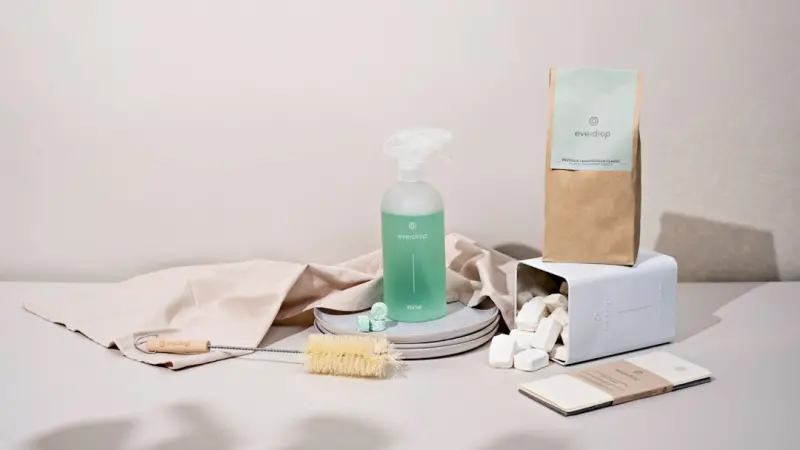
Why Zero‑Waste Personal Care Is the Next Big Thing
When I first walked into a boutique that sold refillable shampoo stations, I felt like I’d stumbled into a secret club. The scent of lavender‑scented liquid mingled with the soft hum of a low‑flow faucet, and the attendant handed me a sleek, amber‑tinted bottle that looked more like a piece of modern art than a toiletry container. That moment sparked a question I keep coming back to: how can we enjoy the comforts of personal care without leaving a trail of waste behind?
In an era where sustainability has moved from niche to necessity, the bathroom remains one of the most overlooked frontlines. From single‑use plastic tubes to disposable cotton pads, the average person tosses hundreds of grams of waste each year before the day ends. Yet the good news is that a shift toward a zero‑waste bathroom isn’t about sacrificing quality—it’s about redesigning rituals so they serve both body and planet.
Reimagining the Basics: Refills, Reusables, and Rethought Rituals
Let’s break down the core categories of personal care and see how a zero‑waste mindset can transform each.
- Hair care – Ditch the plastic bottles in favor of reusable glass dispensers. Many eco‑friendly stores now offer bulk shampoo and conditioner. Pair them with a silicone cap that fits most bottles to keep the product fresh and prevent spills.
- Skin care – Switch to solid bar versions of your favorite cleansers, moisturizers, and even sunscreen. These bars often come wrapped in biodegradable paper or a reusable tin. For liquid formulas you can’t live without, consider a mini indoor herb garden that lets you brew fresh rosewater or chamomile hydrosols on demand.
- Oral hygiene – Bamboo toothbrushes and toothpaste tablets eliminate the need for plastic tubes. The tablets dissolve in water, creating a paste that works just as well as conventional toothpaste.
- Shaving & grooming – Replace disposable razors with a high‑quality safety razor and a stainless steel shaving mug. Reuse a single blade until it truly dulls, then recycle it responsibly.
- Feminine care – Reusable menstrual cups and organic cotton cloth pads are not only gentler on the body but also drastically cut waste.
Each small swap compounds over time, turning your bathroom into a low‑impact sanctuary.
The Power of Plant‑Based Toiletries
Plants are the original chemists. From the soothing properties of aloe vera to the antibacterial strength of tea tree oil, botanicals offer potent alternatives to synthetic ingredients. Here’s how to bring them home:
- DIY Herbal Hair Rinse – Boil dried rosemary, sage, and nettle in water, let it steep, strain, and pour into a refillable bottle. This concoction not only adds shine but also strengthens follicles without the plastic packaging.
- Homemade Facial Toner – Combine equal parts witch hazel (organic, alcohol‑free) and distilled water, then add a few drops of lavender essential oil. Store in a glass spray bottle and you have a refreshing, zero‑waste toner.
- Natural Deodorant – Mix coconut oil, shea butter, arrowroot powder, and a blend of essential oils. Whip it up in a small tin and you’ve got a creamy, aluminum‑free deodorant.
These recipes are not just environmentally friendly; they also give you full control over what touches your skin, eliminating hidden irritants that often lurk in mass‑produced products.
Designing a Zero‑Waste Bathroom That Feels Luxurious
Luxury isn’t defined by excess—it’s defined by intention. A thoughtfully designed bathroom can feel like a spa, even with the most minimalistic approach.
- Smart Storage – Use sleek, wall‑mounted glass jars for cotton balls, swabs, and makeup brushes. Pair them with a discreet invisible storage solution that hides clutter while keeping essentials within arm’s reach.
- Living Elements – Install a vertical garden of air‑purifying ferns or pothos on a spare wall. Not only do they improve indoor air quality, but they also add a soothing green backdrop for your morning routine.
- Natural Light – If possible, replace heavy curtains with a sheer linen panel that lets daylight filter in. Sunlight boosts mood and can even help keep mold at bay in damp spaces.
- Minimalist Aesthetics – Choose a neutral palette—think soft greys, warm woods, and matte black fixtures. A clutter‑free visual environment reduces stress and makes it easier to maintain a zero‑waste system.
The goal isn’t to create a sterile space, but rather a nurturing environment that encourages mindful self‑care.
Building a Routine That Reinforces Sustainability
Switching products is only half the battle. The real transformation happens when you embed sustainability into your daily habits.
- Audit Your Products – Take stock of every item in your bathroom. Identify which ones are single‑use or non‑recyclable and prioritize replacements.
- Set Refill Reminders – Use a simple phone alarm or a habit‑tracking app to remind you when a refill is due. Most bulk stations offer discounts for regular customers.
- Mindful Usage – Apply a pea‑sized amount of product, especially with powerful concentrates like essential oils. Over‑application not only wastes product but can irritate the skin.
- Rinse with Purpose – Instead of running water continuously, fill a bucket or basin for rinsing hair or face. This can cut water use by up to 30% in a typical shower routine.
- Recycle & Compost – Separate any biodegradable waste (e.g., cotton pads, paper towels) for composting. Recycle metal caps and glass containers according to local guidelines.
Over time, these habits become second nature, and you’ll notice a tangible reduction in waste output.
The Ripple Effect: From Personal Care to Corporate Culture
While this post is rooted in personal practice, the principles extend to the workplace. Companies can champion zero‑waste bathroom initiatives by:
- Providing refill stations in office restrooms.
- Offering reusable personal care kits in employee welcome packs.
- Hosting workshops on DIY toiletries and sustainable grooming.
When leaders model these behaviors, they set a cultural tone that resonates beyond the office walls. The ripple effect can inspire employees to bring these practices home, amplifying the environmental impact.
Overcoming Common Challenges
Transitioning isn’t without its hurdles. Here’s how to navigate the most frequent obstacles:
- “I don’t have time to make my own products.” – Start small. Replace one product at a time, such as switching to a solid shampoo bar. As you get comfortable, expand to DIY recipes.
- “I’m worried about effectiveness.” – Look for reputable brands that source high‑quality, organic ingredients. Many zero‑waste products undergo the same rigorous testing as conventional ones.
- “I can’t find refill stations nearby.” – Online bulk retailers have surged, offering eco‑friendly packaging and door‑to‑door delivery. Consider joining a local zero‑waste co‑op if available.
- “I’m not sure what to do with empty containers.” – Embrace the “invisible storage” mindset: repurpose jars for cotton swabs, toothbrushes, or even as mini planters.
Each challenge is an opportunity to innovate and personalize your routine further.
Measuring Your Impact
Seeing the numbers can be motivating. Use a simple spreadsheet to log:
- Number of plastic bottles eliminated per month.
- Weight of waste diverted from landfills.
- Cost savings from bulk purchases versus single‑use items.
After a few months, you’ll likely discover that you’re saving not just the planet, but also a decent chunk of money—proof that sustainability and savings are not mutually exclusive.
Conclusion: Your Bathroom, Your Statement
Adopting a zero‑waste personal care routine is more than an eco‑friendly checkbox; it’s a declaration that you value intentionality, health, and the future of our planet. By rethinking how we store, use, and replenish everyday toiletries, we can transform a mundane space into a hub of mindful luxury.
So the next time you reach for a shampoo bottle, imagine it as a vessel for change—a simple act that, when multiplied across thousands of households, becomes a powerful wave of sustainability.

Jimmy Anand is a content creator that gets inspired by many aspects of life, internet or whatever inspires him at that moment. When he's not online he's gaming and when he is not gaming he is online trolling discussion boards.
Related Posts

Micro‑Meditation Meets Grooming: Transform Your Personal Care Rituals
Learn to fuse micro‑meditation, scent, light, and temperature into a simple, sustainable grooming ... Read More

Heat‑Infused Personal Care: Turning Warmth Into Your Daily Wellness Ally
Discover the science and practical steps behind using everyday heat tools—from warm washcloths to ... Read More
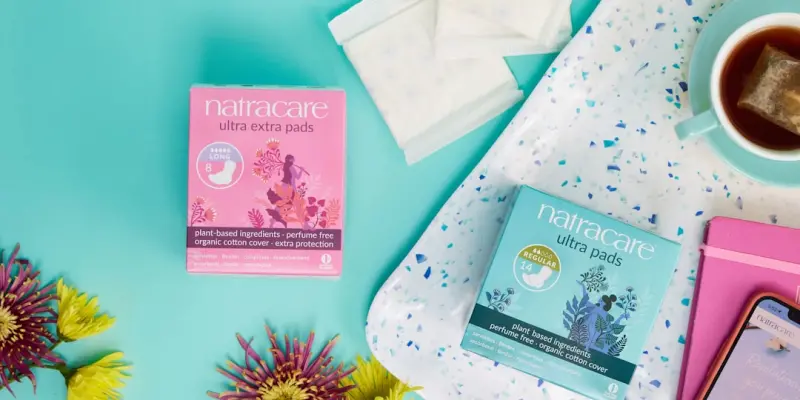
Reimagining Daily Personal Care: Tiny Rituals for Big Well‑Being
Learn how to transform everyday personal care tasks into intentional, sensory‑rich rituals that ca... Read More
Top Posts

When AI Hallucinations Slip Into SaaS: Guarding Trust and Revenue
AI hallucinations can silently erode trust in B2B SaaS platforms. This post explores why they happen, their hidden costs, and a step‑by‑step playbook—RAG,...Read More
Why My Garden Desk Became the Heartbeat of Home Living
A garden desk turned my backyard into a thriving creative hub, where sunlight fuels focus, nature sparks ideas, and every task feels like a breath of fresh air....Read More

Storytelling for Stress Relief: Rewrite Your Inner Narrative
Explore practical storytelling exercises that rewire the brain’s stress response, integrate narrative practices at work, and combine scent and herb rituals fo...Read More

Cold‑Powered Performance: Turning Chill Into Competitive Edge
Jimmy Anand explores the science behind deliberate cold exposure, offering a step‑by‑step guide to integrate chill into daily routines for sharper focus, be...Read More
0 Comments
Post Comment
You will need to Login or Register to comment on this post!