
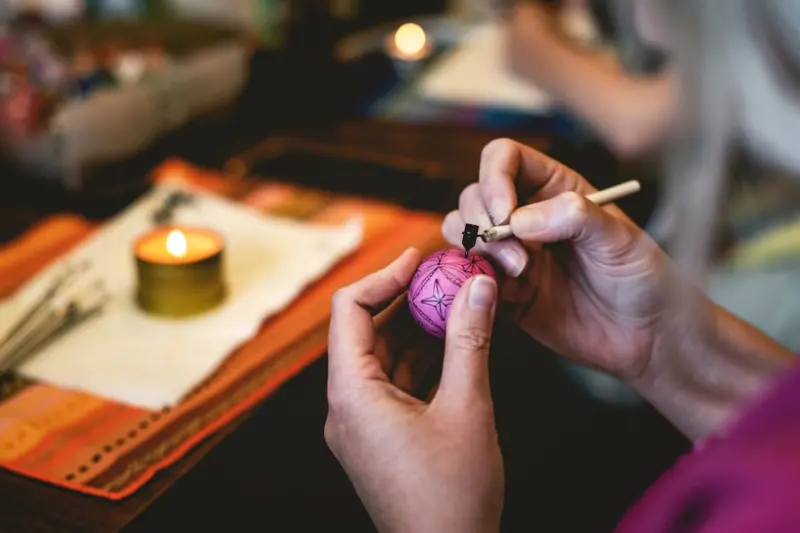
Why a Personal Care Sanctuary Beats a Quick Fix
In a world that glorifies speed, most of us treat personal care like a checkbox: splash water on our face, grab a moisturizer, and dash out the door. That approach works for the moment, but it leaves a lingering sense of incompleteness. The real power of self‑care lies not in the products you use, but in the intentional space you create for yourself—a sanctuary that supports your mental, emotional, and physical well‑being every single day.
The Psychology Behind Routine and Identity
Every habit you repeat writes a tiny story about who you are. When you decide to spend five minutes each morning aligning your posture, breathing, and thoughts, you’re silently telling yourself, “I am worthy of calm.” Research in behavioral psychology shows that consistent, meaningful rituals reinforce a positive self‑concept, reduce stress, and improve focus. The key is to design rituals that feel authentic, not imposed.
Instead of copying someone else’s “morning routine,” ask yourself:
- What sensations make me feel grounded?
- Which moments of the day are most chaotic, and how can I insert a pause?
- What values do I want my self‑care practice to reflect?
Answering these questions transforms a mundane activity into a purposeful anchor.
Designing the Physical Corner: Light, Texture, and Aroma
The environment you step into shapes your mindset. A well‑curated corner can become a miniature retreat that you look forward to visiting. Consider three foundational elements:
- Light. Natural daylight boosts serotonin, while warm amber lighting in the evening signals relaxation. A simple adjustable lamp with a dimmer can shift the mood from energizing to soothing with a single twist.
- Texture. Soft fabrics—think plush towels, a woven rug, or a velvet cushion—invite tactile comfort. When your fingertips graze these textures, your nervous system receives calming cues that help lower cortisol.
- Aroma. Scents act as powerful triggers for memory and emotion. A small diffuser with eucalyptus or sandalwood can clear mental fog, while citrus blends invigorate creativity. Rotate scents seasonally to keep the experience fresh.
These three layers work together like a quiet symphony, each instrument reinforcing the others.
The Power of Intentional Touch
Touch is one of the most underutilized tools in personal care. A brief self‑massage can release muscle tension, improve circulation, and signal to your brain that you’re in a safe, nurturing space. Here are three simple techniques you can incorporate without buying expensive equipment:
- Cold‑Warm Contrast. Splash your face with cool water, then follow with a warm compress on your shoulders. The temperature shift activates the parasympathetic nervous system, promoting relaxation.
- Acupressure Points. Pressing gentle pressure on the space between your thumb and index finger for 60 seconds can alleviate headaches and improve mental clarity.
- Rolling Massage. A small wooden roller (or even a smooth glass bottle) glides across your forearms and calves, stimulating lymphatic flow and reducing swelling after a long day at the desk.
These practices cost little but yield a profound sense of grounding.
Mindful Consumption: Choosing Products That Align With Your Values
Modern consumers face a dizzying array of personal‑care products, many of which are marketed on superficial promises. Instead of chasing the latest hype, adopt a mindful consumption mindset:
- Read ingredient lists for transparency. Avoid parabens, sulfates, and synthetic fragrances that can irritate skin and disrupt hormonal balance.
- Support brands that prioritize sustainability—think biodegradable packaging, refillable containers, or cruelty‑free testing.
- Test a product on a small patch before full use. This simple step can prevent costly reactions and waste.
When your product choices reflect your ethical standards, the act of applying them becomes a reaffirmation of who you are, not just a fleeting indulgence.
Seasonal Adaptation: Rotating Elements to Keep the Sanctuary Fresh
Just as nature cycles through seasons, your personal sanctuary should evolve. A static environment can become stale, reducing its impact over time. Here’s how to refresh your space without a full overhaul:
- Swap Textiles. Replace a heavy blanket with a lighter throw as the weather warms.
- Rotate Scents. Use peppermint in the winter for clarity, then shift to lavender in the summer for calm.
- Adjust Lighting. Introduce a sunrise lamp in the colder months to mimic natural light, and switch to a soft amber bulb when days grow longer.
This fluid approach keeps the sanctuary feeling intentional rather than static.
Community & Sharing: The Ripple Effect of Personal Care
Personal care isn’t a solitary act; it can foster connection. Invite a friend or colleague to join you for a “wellness hour” once a month. Share your favorite DIY mask recipe, exchange a favorite playlist, or simply sit together in silence. These shared moments amplify the benefits of your individual practice and cultivate a culture of mutual support.
When you model a thoughtful routine, you inspire others to consider their own habits, creating a ripple effect that extends far beyond your own corner.
Future Trends: Biophilic Integration Without the Herb Wall
While vertical gardens have become popular, there’s a subtler way to bring nature indoors—biophilic design. This involves integrating natural elements such as stone, wood, and water features that don’t require intensive upkeep. A small tabletop fountain, a driftwood sculpture, or a pebble tray for your feet can evoke the calming presence of the outdoors without the complexity of a full‑scale garden.
Pair these elements with natural fibers and earth‑tone colors, and you’ll notice an immediate shift in mood—your sanctuary will feel anchored in something larger than the four walls.
Technology as a Companion, Not a Dominator
Modern tools can enhance, not replace, the human aspect of personal care. For example, personal care wearables can track hydration levels, sleep quality, and even skin temperature, offering data that helps you fine‑tune your rituals. The key is to treat these insights as guidance rather than a strict rulebook. Use the information to experiment, not to dictate every move.
Similarly, humor remains a surprisingly effective health booster. A quick read of a funny article or a short comedy clip can lower cortisol, improve mood, and even enhance immune function. If you’re looking for a gentle reminder of this, consider exploring simple health hacks that incorporate laughter into your day.
Putting It All Together: A Sample Daily Sanctuary Routine
To illustrate how these concepts intertwine, here’s a concise, adaptable routine you can try:
- Morning Light & Breath (5 min). Open your curtains, sit on a soft cushion, and inhale deeply for four counts, exhale for six. Let the natural light fill the space.
- Touch Activation (3 min). Perform a quick self‑massage on your temples and jaw to release tension.
- Hydration Check (2 min). Use a wearable or a simple water bottle reminder to log your intake.
- Midday Reset (5 min). Light a citrus diffuser, close your eyes, and practice a brief body scan.
- Evening Wind‑Down (10 min). Dim the lights, switch to a warm amber lamp, enjoy a short comedy clip, and finish with a cool‑warm facial contrast.
Adapt the timings to suit your schedule; the goal is consistency, not perfection.
Conclusion: Your Sanctuary Is a Living Extension of You
When you design a personal care sanctuary, you’re not just decorating a space—you’re cultivating an environment that reflects your values, supports your mental health, and reinforces your identity. It’s a dynamic practice that evolves with you, inviting you to pause, breathe, and reconnect with the most important person in your life: yourself.

Tyler Johnson is a seasoned freelance writer with a keen eye for detail and a passion for crafting compelling narratives. His years of experience have honed his ability to adapt his style to suit diverse client needs and project requirements.
Related Posts

Zero-Waste Personal Care: A Practical Guide to Sustainable Routines
A step‑by‑step guide to adopting a zero‑waste personal care routine, featuring essential swaps... Read More
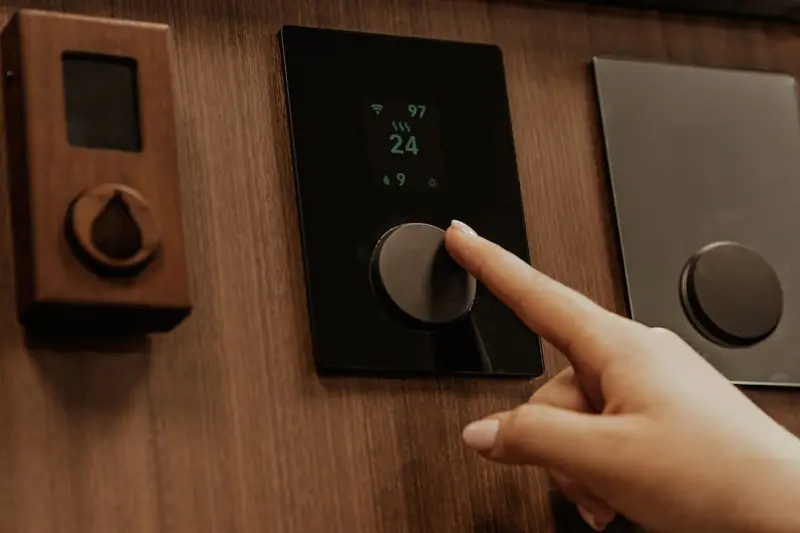
Crafting a Sensory Sanctuary: How Touch, Temperature, and Scent Elevate Personal Care
Learn how to build a daily sensory sanctuary using texture, temperature, and fragrance, turning ordi... Read More
Personal Care Rituals That Actually Stick
A deep dive into creating sustainable personal care rituals, blending mindfulness, sensory cues, and... Read More
Top Posts
Turning Every Trip Into a Personal Innovation Lab
Learn to treat each journey as a lab for personal growth. From hypothesis crafting to reflective storytelling, this guide shows you how to turn travel into a po...Read More

Outdoor Workspaces: Redefining the Employee Experience
Explore the rise of outdoor workspaces, the science behind their productivity boost, and actionable tips for turning your backyard into a thriving garden desk o...Read More

How to Create a Pollinator‑Friendly Garden That Thrives All Season
Discover how to transform any outdoor space into a pollinator sanctuary with plant selections, vertical solutions, DIY habitats, and seasonal care tips that sup...Read More
From My Garden Desk: Rose DesRochers on the New Era of Employment
Rose DesRochers shares how a garden office reshaped her career, blending nature with productivity, and offers insight into the evolving world of remote work....Read More
0 Comments
Post Comment
You will need to Login or Register to comment on this post!