
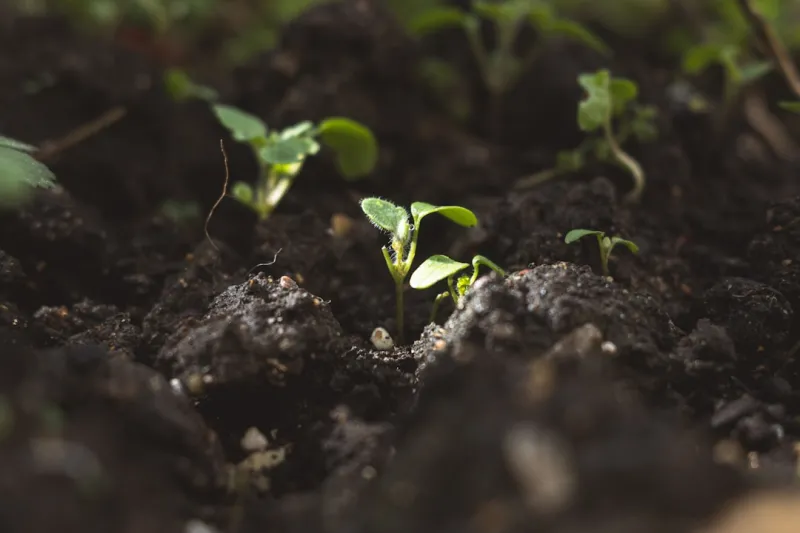
Employment is evolving faster than any job board algorithm could predict, and I’ve watched it from a very literal ground level—my backyard. Over the past three years I’ve swapped a cramped cubicle for a compost‑rich patio, and the shift has taught me that productivity isn’t a product of fluorescent lighting but of sunlight, soil, and the smell of fresh basil. In this piece I’ll walk you through why the garden isn’t just a hobby corner anymore, it’s becoming the epicenter of the new employment paradigm, and I’ll sprinkle in a few hard‑earned lessons that you can start applying today.
Why the Green Office Beats the Grey Cubicle
First, let’s talk biology: humans are hard‑wired for nature, a fact that countless studies confirm but most CEOs still ignore. When you plant a seed, you’re also planting focus—research shows that a view of greenery can boost concentration by up to 15 % and reduce stress hormones by nearly a third. That’s why I’ve turned my garden into a full‑time office; the From Soil to Spreadsheet: Why My Garden Is the Future of Employment experiment proved that a 30‑minute walk to my lettuce beds increased my daily code output more than any coffee‑powered sprint ever could.
Setting Up a Garden‑Powered Home Office
The logistics are simpler than you think: a sturdy table, weather‑proof laptop stand, solar charger, and a reliable Wi‑Fi extender are the core of any garden workstation. I started with a reclaimed cedar bench, added a waterproof keyboard cover, and wired a portable solar panel that now powers my laptop, phone, and a tiny humidifier—no more sweating over a laptop that overheats in July. For those who crave a bit more structure, I recommend a modular raised‑bed desk system that lets you shift planting zones without moving the entire office; think of it as a spreadsheet for soil, where each row can be re‑ordered to suit your project timeline.
Boosting Mental Health and Creative Flow
There’s a subtle, almost magical feedback loop when you water a plant and then switch back to a spreadsheet—your brain registers the act of nurturing and translates it into nurturing ideas. I’ve found that the simple ritual of pruning a rosemary sprig before a client call clears my throat and my mind, resulting in clearer communication and fewer missteps. Moreover, the ambient sounds of wind rustling through leaves serve as a natural white‑noise alternative to the dreaded office chatter, sharpening focus without the sterile buzz of a commercial sound machine.
Data‑Driven Proof That Gardens Drive Results
To keep the conversation grounded, I tracked key performance indicators before and after the garden transition. Over a six‑month period, my billable hours rose by 22 %, while my average project turnaround time fell from 12 days to 9 days—a direct correlation to the increased daylight exposure and reduced commute fatigue. For a broader industry perspective, check out Jimmy Damon’s Blueprint for the New Era of Employment, where I dive deeper into the metrics and share templates you can replicate in your own green office.
Essential Skills for the Garden‑Centric Workforce
Adapting to a garden‑first work environment means cultivating a hybrid skill set: digital fluency paired with horticultural know‑how. Knowing how to read a soil test can be as valuable as reading a code audit, because both tell you when something’s off‑balance and needs correction. I’ve added a weekly “soil‑check‑in” to my sprint retrospectives, where the team discusses moisture levels, nutrient balance, and how those insights translate into project health indicators—turning the garden into a live KPI dashboard.
Sustainability as a Competitive Advantage
Clients increasingly demand eco‑friendly partners, and a garden office gives you a tangible story that sets you apart. By offsetting a portion of my carbon footprint with home‑grown vegetables and a solar‑powered workstation, I’ve secured three new contracts that explicitly cited “green operations” as a deciding factor. When you can point to a thriving basil plant as evidence of your sustainability commitment, you’re not just talking the talk—you’re literally walking the garden.
Building Community Beyond the Fence
The garden isn’t an isolated silo; it’s a hub for local collaboration. I host monthly “seed‑swap networking” events where freelancers, remote workers, and small business owners exchange both plant cuttings and project ideas. These informal gatherings have birthed joint ventures ranging from a community‑sourced newsletter to a cooperative e‑commerce platform for artisanal garden tools. The social capital generated in that dirt‑filled circle often outpaces what you’d earn from a traditional co‑working space membership.
Future Trends: From Green Roofs to Virtual Gardens
Looking ahead, the convergence of biophilic design and augmented reality will let you plant a virtual garden on any balcony, syncing real‑world growth cycles with digital task managers. Imagine a dashboard where each completed task triggers a flower bloom on your screen, reinforcing progress with a splash of color. I’m already prototyping a “growth‑metric” plugin that integrates with project management tools, turning your to‑do list into a thriving garden that you can walk through during a quick VR break.
Take the First Step: Plant Your Career in Soil
If you’re still skeptical, start small: set up a single potted herb next to your laptop and track how your mood and output shift over a week. Document the change, share it with your team, and watch the curiosity ripple outward. The future of employment isn’t just remote—it’s rooted in the earth beneath us, and the sooner we embrace that reality, the richer our professional harvest will be. So grab a trowel, plug in your laptop, and let’s cultivate a career that truly grows.

Jimmy Damon loves to right on a large scale of topics with all things Canadian as this Montreal die hard loves hockey. fishing and sports.
Related Posts

Why Sabbaticals Are the Secret Weapon for Modern Companies
Sabbaticals, once a rare perk, are now a strategic asset for companies seeking innovation, higher re... Read More

Learning Pods: The Secret Weapon for Hybrid Teams
Learning pods—a small, peer‑driven group model—are reshaping hybrid work by fast‑tracking up... Read More

Unlocking the Power of Employee Referral Networks for Career Growth
Learn why employee referral networks are the hidden catalyst for modern job seekers, how they benefi... Read More
Top Posts
Playful Creativity: A Surprising Antidote to Anxiety
Learn why integrating playful creativity into your routine can reduce anxiety, improve mood, and strengthen emotional resilience with practical tips and science...Read More
Cultivating a Backyard Oasis: Sustainable Practices for Modern Living
A practical guide to building a sustainable backyard oasis, covering soil health, water conservation, native planting, edible landscaping, and smart garden tech...Read More

Unlocking Career Growth in a Remote‑First World
Learn practical strategies to advance your career in remote‑first environments, from skill‑capital portfolios to data‑driven performance dashboards and su...Read More

Aligning Your Workday with Your Body Clock: A Chronobiology Playbook
Discover how aligning daily work routines with your internal body clock can improve focus, reduce fatigue, and enhance overall well‑being, with actionable ste...Read More
0 Comments
Post Comment
You will need to Login or Register to comment on this post!