
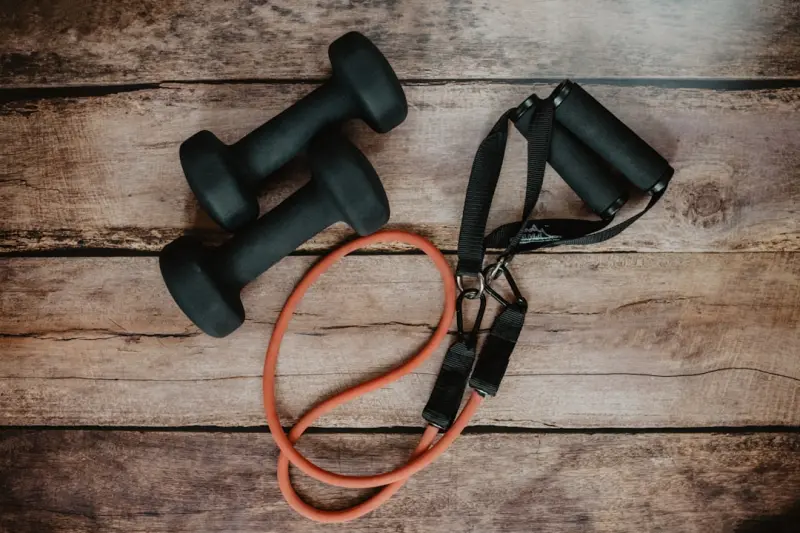
Why Tiny Moves Matter More Than You Think
When I first transitioned to a fully remote role, my days blended into a seamless stream of back‑to‑back video calls, inbox sprints, and the occasional snack break. I thought I was staying “active” because I was standing up for conference calls, but my neck, lower back, and overall energy told a different story. It was only after a friend nudged me to try mindful travel habits on a weekend hike that I realized the power of micro‑movements—those deliberate, bite‑sized bursts of activity that can be woven into any schedule without a major time commitment.
Micro‑movements are not a new fitness fad; they’re a physiological reality. Our bodies are designed for frequent, low‑intensity motion. When we sit for hours on end, muscles begin to atrophy, circulation slows, and stress hormones rise. Conversely, short bursts of movement—standing, stretching, walking a few steps—reset these pathways, improve blood flow, and release endorphins. The result? Better focus, lower stress, and a healthier spine—all without carving out a full workout block.
The Science Behind the Small
Research from occupational health specialists shows that every five minutes of standing or light activity can counteract the metabolic penalties of prolonged sitting. A landmark study from the University of Queensland demonstrated that participants who performed 2‑minute “activity breaks” every 30 minutes experienced a 30% reduction in post‑prandial glucose spikes compared to those who stayed seated.
On a neurological level, micro‑movements stimulate the vagus nerve, which helps regulate heart rate variability (HRV)—a key marker of stress resilience. Simple actions like rolling shoulders, ankle pumps, or a quick desk‑side squat activate proprioceptive pathways, sending a signal to the brain that the body is safe and capable. This “movement feedback loop” lowers cortisol, sharpens attention, and even improves mood.
How to Build Micro‑Movement Habits Into Your Day
Below are practical, research‑backed strategies you can start using immediately. Each one is designed to take less than a minute, requires no special equipment, and can be done in a typical home or office setting.
- The 1‑Minute Stretch Set: Set a timer for 60 seconds every hour. During that minute, perform a series of stretches—neck tilts, wrist flexor extensions, seated spinal twists, and hamstring lifts. The goal is range of motion, not intensity.
- Desk‑Side Calf Pumps: While waiting for a download or during a brief pause in a meeting, rise onto the balls of your feet and lower slowly. Do 15–20 repetitions. This engages the calf muscle pump, enhancing venous return to the heart.
- Chair‑Squat Intervals: Stand up, sit back down without using your hands, and repeat 8–10 times. This simple squat strengthens the quadriceps and glutes, supporting lower‑back health.
- Micro‑Walks: Whenever you receive an email that doesn’t require an immediate reply, stand up and walk to the kitchen, the hallway, or even just around your workspace. Accumulate 5–10 minutes of walking over the course of the day.
- Breath‑Sync Movements: Pair a gentle arm raise with a deep inhale, and lower the arms while exhaling. This synchronizes movement with diaphragmatic breathing, boosting oxygenation and calming the nervous system.
Integrating these actions consistently creates a rhythm that your body will start to anticipate, turning micro‑movement into an automatic reflex rather than a conscious effort.
Tech Tools That Nudge You Forward
While the core idea is low‑tech, modern wearables can amplify the habit loop. Devices that monitor HRV, steps, or even posture can send gentle reminders when you’ve been stationary for too long. I personally use a wristband that vibrates after 45 minutes of inactivity, prompting me to complete a micro‑movement sprint. The data visualizations also help you see the cumulative impact—an extra 2,000 steps or 30 minutes of active time each week can translate into measurable health benefits.
Another handy tool is the nature‑infused movement breaks. If you have a balcony, backyard, or even a sunny window sill, set a small potted plant as a “movement marker.” Every time you water it, do a quick set of stretches or a squat. The visual cue ties the act of caring for a plant to caring for your body.
Overcoming the “I’m Too Busy” Obstacle
One of the most common mental blocks is the belief that you simply don’t have time. The truth is, micro‑movements are designed to slot into moments you already have. Think of them as “productivity micro‑breaks” rather than extra tasks. Research shows that brief physical pauses can actually increase work output by up to 12% because they refresh mental circuits.
Try the following mindset shifts:
- Reframe the activity as a work‑related reset, not a leisure indulgence.
- Bundle movements with existing routines—stand up while waiting for a Zoom host to join, or stretch while the coffee brews.
- Track progress in a simple spreadsheet or habit‑tracking app, rewarding yourself after a week of consistent micro‑movement compliance.
Embedding Micro‑Movements in Corporate Culture
From a leadership perspective, encouraging micro‑movements can become a low‑cost wellness initiative. Companies can:
- Introduce “movement minutes” into meeting agendas, where participants stand up and stretch for a minute before diving into discussion.
- Provide standing desk options or under‑desk cycle trainers, making it easier for employees to switch postures.
- Launch internal challenges that celebrate the highest average daily micro‑movement count, turning health into a friendly competition.
When employees see that leadership values their physical well‑being, the ripple effect boosts morale, reduces sick days, and fosters a culture of holistic productivity.
Real‑World Stories: Micro‑Movements in Action
Below are a few anecdotes from professionals who have turned micro‑movement from a concept into a daily reality.
- Jenna, a product manager: She set a phone alarm for every 45 minutes. During each alert, she performed a 30‑second “desk‑yoga” flow. Within two weeks, her chronic lower‑back pain vanished, and she reported a clearer mind during sprint planning.
- Marcus, a software engineer: He programmed his IDE to flash a subtle color change after 60 minutes of coding. That cue prompted him to do ten ankle pumps and a quick neck roll. Over a month, his HRV improved, indicating better stress recovery.
- Lila, a remote marketer: She paired her coffee breaks with a brief walk around her apartment’s perimeter, using the time to brainstorm campaign ideas. The physical motion sparked creativity, leading to a 15% increase in click‑through rates for her latest email blast.
Micro‑Movement Myths Debunked
Let’s address some common misconceptions:
- “I need a full workout to see benefits.” False. While full workouts are valuable, micro‑movements provide unique advantages for circulation and neural reset that a single long session cannot replicate throughout the day.
- “Standing all day is enough.” Not quite. Prolonged standing can also lead to joint strain. The key is dynamic movement—changing positions, flexing muscles, and incorporating gentle stretches.
- “It’s only for desk‑bound workers.” No. Even those in physically demanding roles can benefit from brief, targeted movements that address repetitive strain or improve posture.
Putting It All Together: Your First Week Blueprint
To make micro‑movement a habit, start with a simple 7‑day plan:
- Day 1–2: Set a timer for every 60 minutes and perform a 1‑minute stretch set.
- Day 3–4: Add calf pumps during each break and incorporate a 30‑second breathing‑sync movement.
- Day 5–6: Introduce a desk‑side squat set after every meeting that lasts longer than 15 minutes.
- Day 7: Review your habit tracker. Celebrate consistency, and adjust the timing or variety of movements to keep it fresh.
By the end of the week, you should feel a noticeable lift in energy, a reduction in muscular stiffness, and perhaps even a subtle improvement in focus. The real power lies in making these actions automatic—so that your body and mind get the reset they need without you having to think about it.
Conclusion: Small Steps, Big Health Gains
Micro‑movements are a quiet, powerful ally in the pursuit of better health, especially for anyone juggling remote work, tight deadlines, and a never‑ending inbox. They’re inexpensive, easy to implement, and backed by solid science. By treating each tiny motion as an intentional act of self‑care, you cultivate a resilient body, a clearer mind, and a workday that feels less like a marathon and more like a series of refreshing sprints.
So the next time you feel the urge to scroll through another email or stare at a spreadsheet for the next hour, remember: a quick stretch, a calf pump, or a five‑second squat could be the missing piece that transforms your productivity and well‑being. Start small, stay consistent, and watch the cumulative benefits unfold—one micro‑movement at a time.

Amanda is a passionate writer exploring a kaleidoscope of topics from lifestyle to travel and everything in between.
Related Posts

Tuning Your Body: How Sound Waves Can Elevate Everyday Health
Explore the science behind sound healing, learn easy daily practices, and see how vibration can enha... Read More

Seasonal Reset: Aligning Your Body with Nature’s Rhythm for Better Health
Learn how a simple Seasonal Reset—adjusting light, temperature, food, movement, and digital habits... Read More
Cold Therapy at Work: Boost Energy and Immunity with Simple Chills
Integrating short bursts of cold—like a face splash or a quick ice‑water hand dip—into the wor... Read More
Top Posts

Reimagining Employee Referrals as a Collaborative Talent Co‑Op
Explore how turning traditional employee referrals into a collaborative talent co‑op can boost diversity, speed up hiring, and create a shared sense of owners...Read More
Daylight & Digital Boundaries: A Fresh Prescription for Mental Wellness
Explore a practical, science‑backed approach to mental health that combines daylight exposure with digital boundaries, offering simple habits to improve mood,...Read More
The Garden Revolution: How Green Workspaces Are Redefining Employment
Jimmy Damon reveals how turning your desk into a green oasis can transform productivity, mental health, and sustainability, ushering in a new era of employment....Read More

Wander with Wonder: Turning Every Trip into a Creative Adventure
Learn to transform every journey into a vivid, sensory-rich adventure—flexible planning, micro‑explorations, and sustainable souvenirs keep the wanderlust a...Read More
0 Comments
Post Comment
You will need to Login or Register to comment on this post!