
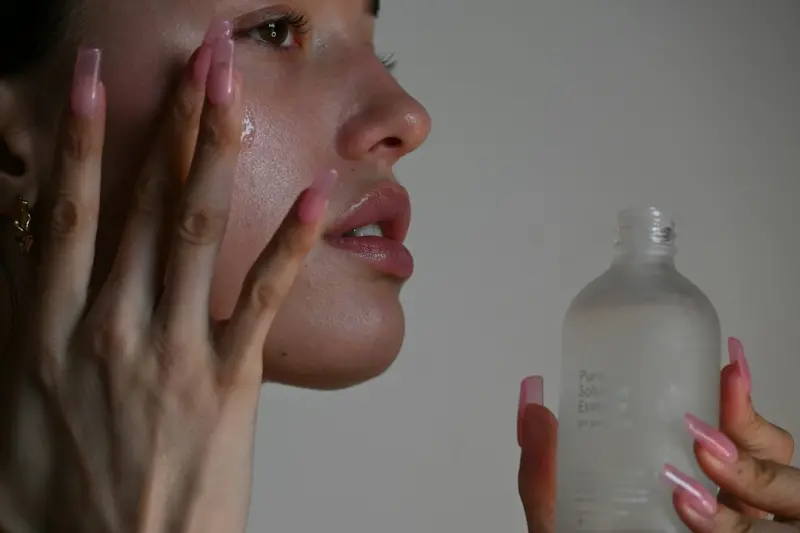
Why Personal Care Needs a Digital Upgrade
When I first stepped into a boutique skincare shop, I was greeted by rows of glossy bottles promising miracles. The promise felt familiar: “For flawless skin in just 30 days.” Yet, after a decade of juggling product experiments, I realized that most of those promises were built on generic formulas and marketing hype rather than real, individual data. The personal care industry has been stuck in a cycle of one‑size‑fits‑all solutions, and it’s time to break that loop.
Enter the age of data‑driven grooming. By combining real‑time skin analytics, AI‑powered recommendations, and intelligently tuned lighting, we can finally move beyond guesswork. In this post, I’ll walk you through the tools, the science, and the mindset shifts that let you treat personal care the way you treat any high‑performance system: with precision, feedback loops, and continuous iteration.
The AI Skin Scan Revolution
Modern smartphones now pack sensors that can capture high‑resolution images, depth data, and even subtle color variations. Companies have taken those capabilities and built AI models trained on millions of skin profiles. The result is a quick, at‑home skin scan that tells you:
- Hydration levels across different zones of your face.
- Oil production patterns that shift with diet or stress.
- Fine‑line density and elasticity trends over weeks.
- Sun damage index based on pigment changes.
Unlike a one‑time dermatologist visit, these scans can be performed daily or weekly, feeding a living dataset that evolves with you. The AI doesn’t just label your skin type; it predicts how it will react to upcoming variables—like a new supplement or a change in sleep schedule.
To get comfortable with this kind of AI interaction, I recommend exploring the fundamentals of AI‑assisted learning. A great starter is Your AI Learning Companion: Turning Curiosity into Mastery, which demystifies how intelligent systems learn from you and how you can guide them toward useful outcomes.
Virtual Dermatology Clinics: The New Front Desk
While AI skin scans give you data, you still need expert interpretation for complex concerns—think persistent acne, melasma, or eczema flare‑ups. Virtual dermatology platforms have emerged to fill that gap, offering video consultations backed by the same image analysis the AI provides. The workflow typically looks like this:
- You upload your latest scan and any relevant health metrics.
- The platform’s AI highlights areas of concern and suggests possible causes.
- A board‑certified dermatologist reviews the AI report alongside your history, then tailors a prescription or regimen.
- You receive a digital care plan that syncs with your personal dashboard.
This hybrid model reduces the friction of booking in‑person appointments and ensures that you’re always acting on the most up‑to‑date information. Moreover, the dermatologist’s notes become part of your longitudinal record, which the AI can reference for future recommendations.
Smart Lighting: More Than Just Ambiance
Most people think of lighting as a decorative element, but the spectrum and intensity of light directly influence skin health. Blue‑rich light in the morning helps regulate circadian rhythms, while red and near‑infrared wavelengths can stimulate collagen production and improve wound healing.
Integrating smart lighting into your grooming routine is a game‑changer. Imagine a bathroom mirror that automatically shifts to a cooler hue for a precise makeup application, then transitions to a warm, therapeutic glow while you apply night‑time serums. The Illuminating Wellness: How Light Shapes Energy, Mood, and Focus article dives deep into how light affects our biology, and the same principles can be harnessed for skin regeneration.
When you combine AI skin data with light‑tuned environments, you create a feedback loop: the AI tells you your skin’s current state, you adjust lighting to support recovery, and the next scan confirms the improvement.
The Personal Care Dashboard: Your Command Center
All these data streams—skin scans, dermatologist notes, lighting schedules, nutrition logs—need a single place to live. A personal care dashboard does exactly that. Think of it as a health app, but specialized for grooming. Core features include:
- Trend graphs showing hydration, oil, and elasticity over time.
- Product performance scores based on how each item affects your metrics.
- Alert system that notifies you when UV exposure spikes or when your skin is trending toward dryness.
- Integration hooks for smart mirrors, IoT dispensers, and even your calendar to align routine steps with your busiest days.
When you see that a particular serum improves elasticity by 12 % after two weeks, the dashboard can recommend extending its use or pairing it with a specific light setting. Conversely, if a product correlates with increased oil production, the system flags it for removal.
Building a Data‑Driven Routine From Scratch
Here’s a step‑by‑step blueprint to transition from “spray‑and‑pray” to a truly iterative personal care system:
- Baseline Scan: Perform a comprehensive AI skin analysis in the morning, after cleansing.
- Set Goals: Define measurable objectives—e.g., increase hydration by 15 % in 30 days, reduce visible redness by 20 %.
- Select Core Products: Choose a minimal set (cleanser, serum, moisturizer) and log each product’s active ingredients.
- Configure Lighting: Program your smart mirror to emit therapeutic wavelengths post‑application, based on your skin’s needs.
- Track & Iterate: Repeat scans every 3–4 days. The dashboard will automatically adjust product usage recommendations and lighting schedules.
- Professional Check‑In: Schedule a virtual dermatology session quarterly. Upload the accumulated data for a nuanced review.
- Refine: Add or remove products based on performance scores. Adjust lighting or supplement intake as needed.
By treating personal care like a software development sprint—plan, execute, measure, and iterate—you create a regimen that evolves with you instead of forcing you into a static routine.
Ethical Considerations and Data Privacy
All the benefits come with a responsibility to protect personal data. Your skin scan is a biometric identifier, and the associated health metrics are highly sensitive. Choose platforms that:
- Encrypt data both in transit and at rest.
- Offer clear consent mechanisms for data sharing with third parties.
- Provide an option to delete your entire data history on demand.
Look for compliance with standards like GDPR or CCPA, even if you’re not in those jurisdictions; they set a high bar for privacy. Remember, the more granular the data, the greater the insight—but also the higher the risk if mishandled.
The Future: Predictive Skincare and Biofeedback
We’re only scratching the surface. Emerging research is exploring wearable patches that continuously monitor skin pH, temperature, and moisture, feeding that data into AI models that can predict flare‑ups before they happen. Combine that with voice‑activated assistants that remind you to hydrate or suggest a quick micro‑massage, and you have a truly proactive personal care ecosystem.
In a few years, you might wake up to a gentle voice saying, “Your skin hydration is low. Let’s start with a misting routine and a 10‑minute red‑light session.” The system would have already cross‑referenced your sleep quality, recent diet, and even local weather patterns to make that recommendation.
Until then, the tools we have today—AI skin scans, virtual dermatology, smart lighting, and integrated dashboards—already empower you to move from guesswork to evidence‑based grooming. Embrace the data, respect the privacy, and let the feedback loops guide you toward healthier, more confident skin.

Robert Mathews is a professional content marketer and freelancer for many SEO agencies. In his spare time he likes to play video games, get outdoors and enjoy time with his family and friends .
Related Posts
Fermented Skincare: Harnessing the Gut‑Skin Axis for Natural Radiance
Explore the gut‑skin connection and learn simple fermented food recipes, DIY toners, and micro‑g... Read More

Transform Your Bathroom Into a Daily Wellness Retreat
Learn to create a calming bathroom sanctuary using color, scent, sound, and simple DIY skincare, tur... Read More

Heat‑Infused Personal Care: Turning Warmth Into Your Daily Wellness Ally
Discover the science and practical steps behind using everyday heat tools—from warm washcloths to ... Read More
Top Posts

The Power of Breath: Simple Techniques to Reset Your Body and Mind
Explore the science behind breathwork and learn three quick breathing patterns that can lower stress, enhance sleep, and support daily wellness—all without an...Read More
Scent, Sound, and Sensation: Rewiring Your Brain for Calm
Learn to harness scent and sound as everyday anchors, pairing them with breathwork to rewire stress responses and cultivate lasting calm....Read More

Passport to Purpose: Make Every Trip a Creative Engine
Discover a systematic approach to make every journey a catalyst for innovation, using micro‑journaling, portable creative tools, and AI‑curated knowledge hu...Read More

Chasing the Uncharted Railway: A Journey Through Forgotten Tracks
A traveler uncovers the charm of obscure train lines, sharing stories of spontaneous connections, historic echoes, and the art of minimalist adventure....Read More
0 Comments
Post Comment
You will need to Login or Register to comment on this post!