
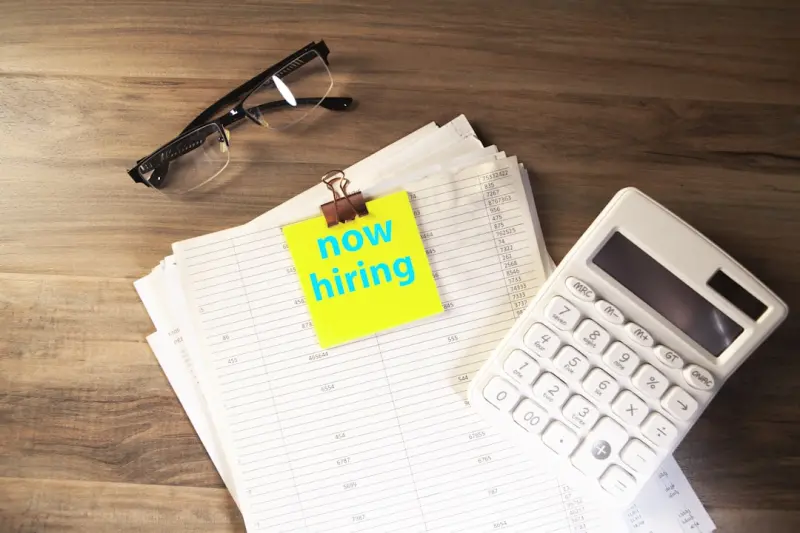
Redesigning the Employment Experience: From Job to Journey
When I first stepped into my third corporate role, I treated the position like a static job description—a set of duties, a salary, and a benefits package. Over time, that mindset cracked open, and I realized that work can be more like a living, evolving experience rather than a rigid contract. In today’s hyper‑connected economy, the traditional employee‑employer contract is being rewritten, and the people who thrive are those who view their career as a personal journey rather than a fixed endpoint.
Why the Old Employment Model Is Fading
The classic 9‑to‑5, climb‑the‑ladder narrative was built for an era of predictable market cycles and long‑term tenure. Today, three forces are eroding that foundation:
- Talent fluidity: Professionals switch roles, industries, and even career paths every few years, seeking purpose and growth over loyalty.
- Technology acceleration: AI, automation, and low‑code platforms are reshaping skill demands faster than any training program can keep up.
- Well‑being awareness: Burnout statistics and mental‑health research have forced companies to rethink how they support employees beyond paycheck and PTO.
When you combine these forces, the old “job for life” script no longer makes sense. The question becomes: How do we redesign the employment experience so it feels as intentional and rewarding as a well‑planned adventure?
1. Treat Your Role as a Personal Project
One of the most liberating shifts I made was to see my role not as a set of tasks handed down by a manager, but as a personal project with its own roadmap, milestones, and feedback loops. This mindset does three things:
- Creates ownership: You become the driver of outcomes instead of a passive executor.
- Encourages iteration: Just as a product team runs sprints, you can run quarterly “career sprints” to test new responsibilities or learning goals.
- Aligns purpose: By defining the why behind each deliverable, you connect daily work to your broader life narrative.
To get started, draft a simple “career canvas” that mirrors a startup’s business model canvas. Include sections for value proposition (what you bring), key activities (core responsibilities), learning experiments (new skills you’ll test), and success metrics (how you’ll measure impact). This canvas lives on a shared platform—think Notion or a personal wiki—so you can iterate with your manager during check‑ins.
2. Build a Portfolio of Micro‑Experiences
Much like a photographer builds a portfolio of images instead of a single masterpiece, modern professionals curate a collection of micro‑experiences. These are short‑term, high‑impact assignments that let you dip your toes into adjacent domains without a full career pivot.
Examples include:
- Leading a two‑week cross‑functional hackathon to prototype a new workflow.
- Shadowing a data‑science teammate for a month to understand analytics fundamentals.
- Co‑creating a knowledge‑share session on AI ethics with the legal department.
These micro‑experiences feed into your career canvas, providing concrete evidence of adaptability and a richer narrative for future opportunities. They also keep the daily grind fresh, preventing the stagnation that often fuels burnout.
3. Leverage Structured Sabbaticals as Skill‑Accelerators
While many companies still view sabbaticals as a perk for senior staff, forward‑thinking organizations are turning them into strategic growth tools. A well‑designed sabbatical can be a structured break that aligns personal development with business goals. Imagine a three‑month leave where you partner with an external research institute, earn a certification, or even travel to a hub of innovation to immerse yourself in emerging tech.
The key is integration. Before the sabbatical, map out the skills you’ll acquire and how they’ll feed back into your current team. After you return, schedule a knowledge‑transfer session, turning your personal growth into a team asset. This model transforms a traditional “time‑off” into a win‑win for both employee and employer.
4. Embed AI as a Personal Mentor, Not Just a Tool
Artificial intelligence is often cast as a productivity enhancer—think chatbots that draft emails or dashboards that surface metrics. However, when you shift the lens, AI can become a personal mentor that guides your learning journey.
Here’s a practical approach:
- Set a learning intent: “I want to understand the fundamentals of machine learning by the end of the quarter.”
- Feed the AI curated resources—articles, podcasts, and MOOCs you trust.
- Ask for synthesis: “Summarize the key concepts from these three articles in 200 words.”
- Request application scenarios: “How could a marketing team use supervised learning to improve campaign ROI?”
This iterative dialogue turns a static list of courses into a dynamic mentorship experience, keeping the learning process aligned with real‑world challenges you face at work.
5. Redefine Performance Reviews as Collaborative Futures Sessions
Traditional performance reviews often feel like a judgment day—metrics are presented, and feedback is delivered in a top‑down fashion. The new model I advocate for is a Collaborative Futures Session. Instead of a single annual meeting, you schedule quarterly “future‑mapping” conversations that blend:
- Data‑driven insights (KPIs, project outcomes).
- Personal aspirations (skill gaps, career pivots).
- Organizational direction (upcoming initiatives, market shifts).
During these sessions, both manager and employee co‑create a short‑term roadmap that aligns personal growth with business objectives. The outcome is a living document that evolves, reducing the surprise factor that often accompanies end‑of‑year reviews.
6. Cultivate a “Work‑Life Architecture”
Just as architects design spaces that balance form and function, professionals can design a work‑life architecture that supports both productivity and rejuvenation. This goes beyond flexible hours; it includes:
- Ritualized transitions: A 10‑minute “shutdown” routine at the end of the day to signal the brain that work is over.
- Spatial zoning: Dedicated physical or digital zones for deep focus, collaboration, and creative play.
- Energy budgeting: Aligning high‑cognitive tasks with personal energy peaks (morning vs. afternoon).
When you treat your daily schedule as an architectural plan, you reduce mental clutter and create intentional spaces for creativity, focus, and rest.
7. Turn Team Culture into a Shared Narrative
Storytelling isn’t limited to wellness or branding; it’s a powerful tool for aligning team purpose. Craft a shared narrative that answers three questions:
- What problem are we collectively solving?
- Why does that problem matter to each of us personally?
- How will we celebrate milestones along the way?
When each member can articulate the story in their own voice, the team’s cohesion deepens, and individual motivation spikes. This narrative can be captured in a visual storyboard displayed in virtual meeting rooms, reinforcing the shared mission every day.
8. Embrace “Skill‑Swap Sprints” Across Departments
Cross‑functional learning isn’t just a buzzword; it’s a practical way to break silos. Organize short, focused skill‑swap sprints where a designer teaches UI basics to a product manager, while the manager shares agile planning techniques with the designer. These sprints create empathy, broaden skill sets, and often spark innovative solutions that wouldn’t emerge within a single silo.
Think of it as a mini‑internship within your own organization—short, purposeful, and mutually beneficial.
9. Measure Success with Qualitative Pulse Checks
Metrics are essential, but they don’t capture the full picture of employee experience. Complement quantitative KPIs with qualitative pulse checks such as:
- Weekly “One‑Word” reflections on how the team feels.
- Anonymous “Mood Boards” where employees post emojis representing their current state.
- Monthly “Story Circles” where teammates share a brief anecdote about a win or a challenge.
These lightweight practices surface hidden insights, allowing leaders to address friction points before they become chronic issues.
10. Future‑Proof Your Career with a “Learning Portfolio”
Finally, create a living “learning portfolio” that showcases not only completed courses but also projects, case studies, and reflections. This portfolio serves multiple purposes:
- It’s a dynamic résumé for internal mobility.
- It acts as a personal knowledge base you can reference during problem‑solving.
- It demonstrates to leadership your commitment to continuous growth.
Platforms like Notion, Coda, or even a simple GitHub repo can host this portfolio, making it searchable and shareable across the organization.
Putting It All Together: A Blueprint for the Modern Employment Experience
Imagine walking into your office (virtual or physical) knowing you have a clear career canvas, a schedule of micro‑experiences, and a learning portfolio that updates in real time. You’ve negotiated a structured sabbatical that will return you with fresh expertise, and you’ve set up quarterly futures sessions that keep performance reviews collaborative rather than punitive. Your team operates on a shared narrative, and you regularly engage in skill‑swap sprints that dissolve silos.
This isn’t a distant utopia; it’s a concrete blueprint you can start assembling today. The first step is simple: pick one of the ten practices above, experiment for a month, and measure the impact on both your engagement and your output. As you iterate, you’ll discover a rhythm that transforms employment from a static contract into a dynamic, purpose‑driven journey.
In the end, the future of work belongs to those who treat their career as an evolving experience—curated, intentional, and aligned with both personal fulfillment and organizational impact. By redesigning the employment experience, we create workplaces where people don’t just show up; they thrive.

Melanie Wilson, Freelance writer with a flare for everything. I am passionate about topics I write crafting stories and compelling content that connect with audiences. Journeying through the realms of creativity as a freelance creator. #WriterLife #ContentCreator
Related Posts

From Soil to Spreadsheet: How My Garden Is Redefining the Future of Employment
Jimmy Damon shares how his garden office transforms work, boosts output, and sets a sustainable stan... Read More
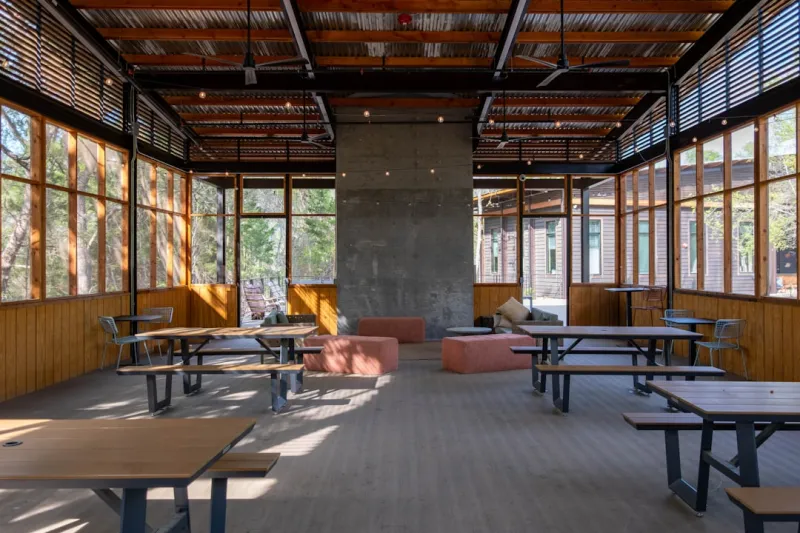
Why Outdoor Workspaces Are Changing the Way We Work
Explore the shift from cubicles to garden desks, the science behind nature‑driven productivity, an... Read More
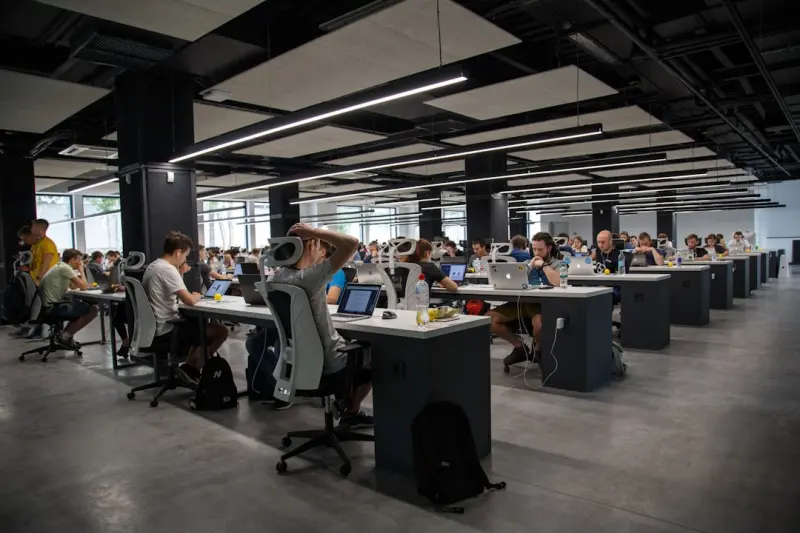
How Employee‑Led Innovation Labs Transform Workplace Culture
Employee‑led innovation labs give every team member a sandbox to turn everyday insights into measu... Read More
Top Posts

Smart Backyard Makeover: Turning Your Garden into a Connected Eco‑Hub
Learn to upgrade your garden into a smart, eco‑friendly space using soil sensors, weather‑aware irrigation, solar power, and modular design—creating a low...Read More
AI as Your Everyday Decision Engine
Explore the rise of AI decision engines that subtly influence everyday choices, from budgeting to creative projects, while maintaining transparency and user con...Read More

Crafting a Five‑Sense Garden Oasis at Home
Learn to build a five‑sense garden that transforms your outdoor space into a year‑round sanctuary, using plants, sound, texture, and DIY art for holistic re...Read More

Timing Your Meals for Better Health: The Power of Chrononutrition
Learn how aligning your eating schedule with your body’s natural clock can enhance metabolism, improve sleep, and support overall wellness....Read More
0 Comments
Post Comment
You will need to Login or Register to comment on this post!