
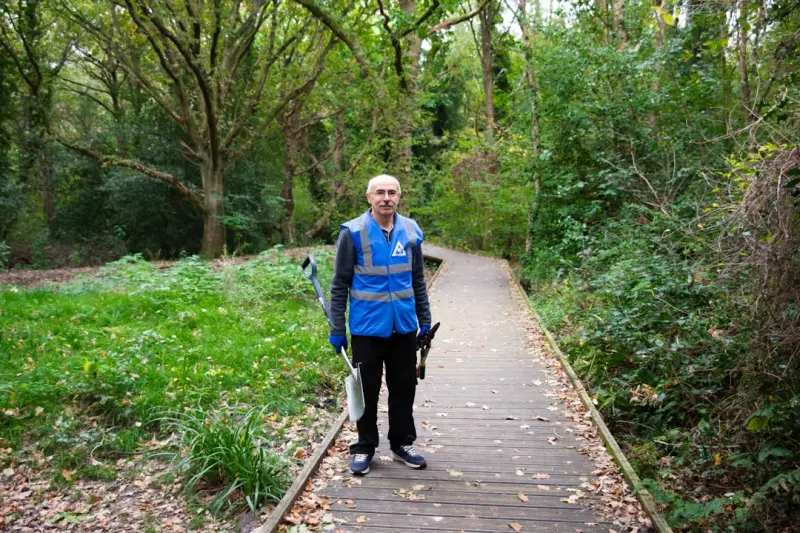
Why Light, Breath, and Community Walks Are the Unsung Heroes of Modern Health
When I first stepped out of my office after a marathon of video calls, I felt a subtle shift—a soft, almost imperceptible lift in my mood. It wasn’t a caffeine boost or a quick stretch; it was the sun warming my shoulders, the rhythm of my own breath syncing with the world outside, and a small group of strangers turning a city block into a shared sanctuary. That moment sparked a curiosity that has become the backbone of my health philosophy: the simple, everyday practices that most of us overlook can be the most powerful levers for both physical vitality and mental clarity.
The Science of Light: More Than Just Vitamin D
We all know that sunlight helps our bodies produce vitamin D, but recent research shows that natural light does far more than support bone health. Exposure to bright, natural light in the morning triggers the release of serotonin—a neurotransmitter linked to mood, focus, and overall well‑being. In contrast, artificial lighting, especially the blue‑heavy glow of screens, can suppress melatonin production and disrupt our circadian rhythm, leaving us groggy and prone to anxiety.
Here are three practical ways to harness daylight without turning your day into a full‑blown sun worship session:
- Morning Light Rituals: Spend at least ten minutes in direct sunlight within the first hour of waking. A simple balcony coffee, a quick walk to the mailbox, or even a desk positioned near a window can flood your brain with serotonin‑boosting photons.
- Strategic Workspace Design: If you work from home or have control over your office layout, place your primary work surface near a window. When natural light isn’t possible, invest in full‑spectrum light therapy lamps that mimic the sun’s spectrum.
- Evening Wind‑Down: Dim ambient lighting and switch to amber‑tinted bulbs after sunset to signal your body that it’s time to produce melatonin, setting the stage for restful sleep.
By aligning our daily routines with the sun’s natural rhythm, we create a physiological foundation that supports everything from immune function to emotional resilience.
Breathwork: The Underestimated Engine of Autonomic Balance
While many of us focus on cardio, strength, or flexibility, we often ignore the most powerful tool we carry with us 24/7: our breath. Controlled breathing activates the parasympathetic nervous system, counteracting the stress‑induced “fight‑or‑flight” response. Techniques such as box breathing, diaphragmatic breathing, and the 4‑7‑8 method can lower cortisol levels, improve heart‑rate variability, and sharpen mental focus.
Integrating breathwork into a hectic workday is easier than you think:
- Box Breathing at the Desk: Inhale for four counts, hold for four, exhale for four, hold for four. Repeat five cycles before your next meeting.
- Diaphragmatic Reset: Place one hand on your chest and the other on your abdomen. Breathe in deeply through the nose, allowing the belly to rise, then exhale slowly through pursed lips. This simple practice can be done while standing in a line or waiting for a coffee order.
- Evening 4‑7‑8 Routine: Inhale for four seconds, hold for seven, exhale for eight. Perform three rounds to calm the mind before bed, supporting deeper, more restorative sleep.
When combined with natural light exposure, breathwork becomes a dynamic duo: light resets our internal clocks, while breath steadies our nervous system, creating a feedback loop that nurtures both body and mind.
Community Walking: Turning Steps Into Social Medicine
Walking is often dismissed as a low‑intensity exercise, but its benefits skyrocket when it’s a shared experience. A study published in the Journal of Health Psychology found that participants who walked in groups reported a 30% increase in mood improvement compared to solitary walkers. The reasons are multifold:
- Social Connection: Human beings are wired for connection. Walking side‑by‑side fosters a sense of belonging, reducing feelings of isolation that are linked to chronic diseases.
- Accountability: When you know someone is counting on you to show up, you’re less likely to skip a session, turning occasional activity into a consistent habit.
- Environmental Awareness: Group walks often become mini‑tours of the neighborhood, encouraging participants to notice green spaces, street art, and local businesses, which can boost a sense of community pride.
Starting a walking group doesn’t require a massive budget or a fancy app. Here’s a starter kit:
- Define a Purpose: Is it “walk and talk” networking, “mindful strolls” for stress reduction, or “step challenges” for fitness?
- Pick a Consistent Time: Early morning before work, lunch‑hour, or post‑dinner walks are popular slots.
- Leverage Free Platforms: Use community boards, local social media groups, or a simple Google Form to gather interested participants.
- Integrate Simple Activities: Incorporate brief stretches, gratitude circles, or even a quick narrative healing technique where each walker shares a positive affirmation.
The result? A regular rhythm of movement, conversation, and shared sunlight that builds both cardiovascular health and social capital.
Combining the Trio: A Sample Day Blueprint
Below is a realistic, adaptable schedule that weaves natural light, breathwork, and community walking into a busy professional’s day. Feel free to adjust the timings to fit your personal rhythm.
- 6:30 am – Sunrise Light & Breath: Open blinds, sip water, and step onto the balcony for ten minutes of sunrise exposure. Follow with three rounds of 4‑7‑8 breathing.
- 8:00 am – Commute with Intent: If you drive, park a few blocks away and walk to the office. If you take public transit, stand near a window and practice box breathing.
- 12:30 pm – Midday Walk & Share: Join a 30‑minute walking group. Use the walk to discuss a brief mental training strategy or simply enjoy silent observation of the environment.
- 3:00 pm – Light‑Boost Break: Step outside for five minutes of fresh air and direct light. Pair this with diaphragmatic breathing to reset focus.
- 6:00 pm – Evening Wind‑Down: Dim lights, engage in a short yoga flow that emphasizes deep breathing, and finish with a gratitude journal entry.
This blueprint creates multiple “reset points” throughout the day, allowing your body’s circadian rhythm, nervous system, and social brain to stay aligned.
Overcoming Common Barriers
Many professionals claim they lack time, safe spaces, or even motivation for these practices. Here’s how to dismantle each objection:
- Time Scarcity: Remember that even five minutes of light exposure or a single breath cycle can produce measurable benefits. Stack practices—do breathwork while waiting for a coffee, or walk during a conference call (audio‑only).
- Lack of Safe Outdoor Areas: If your neighborhood isn’t walk‑friendly, consider indoor alternatives: a treadmill positioned near a window, a hallway with bright LED panels, or a corporate wellness room that offers a “sunny” ambience.
- Motivation Gaps: Pair the activity with something you enjoy—a favorite podcast, an audiobook, or a mindful playlist. The reward association makes the habit stick.
Measuring Success Without Obsession
Progress isn’t solely about the number of steps or minutes logged. Here are three qualitative metrics to track:
- Energy Levels: Note morning and afternoon energy on a simple 1‑5 scale. Consistent improvements indicate better circadian alignment.
- Emotional Baseline: Use a brief mood journal—record feelings of calm, anxiety, or optimism before and after each practice.
- Social Connectivity: Track the number of meaningful interactions you have during walks or light‑breaks. A rise suggests stronger community ties.
When you see these subtle shifts, you’ll recognize that the impact of light, breath, and community walking extends far beyond the physical metrics.
Final Thoughts: A Gentle Revolution for Health
In a world saturated with high‑intensity fitness apps, complex diets, and endless wellness trends, the most effective health strategies are often the simplest. By honoring the natural cadence of sunlight, the innate power of our breath, and the human need for shared movement, we unlock a resilient, balanced version of ourselves.
Take the first step—literally or metaphorically—today. Open a window, inhale deeply, and consider inviting a colleague or neighbor for a short stroll. The ripple effects will touch your mind, body, and community in ways you may not yet imagine.

Laura Wilson is a freelance writer specializing in the dynamic and ever-evolving field of health. With a passion for translating complex medical information into accessible and engaging content, Laura brings a wealth of knowledge and a fresh perspective to topics ranging from preventative care and nutrition to cutting-edge research and innovative treatments.
Related Posts

Embracing the Cold: How Ice Baths and Chill Practices Can Transform Your Health
Cold exposure therapy, from brief cold showers to ice baths, offers a cascade of physiological benef... Read More

Beyond the Gym: Tiny Movements That Transform Office Health
Micro‑movements are quick, intentional actions woven into the workday that combat the health toll ... Read More

Playful Movement: The Secret Weapon for Modern Health and Productivity
Miranda Murphy shares a fresh take on health by reintroducing childhood play into adult routines, sh... Read More
Top Posts

Micro‑Adventures: Tiny Trips, Big Impact
Micro‑adventures—short, intentional trips that fit into a regular workweek—can reset the brain, enhance creativity, improve health, and even add value to ...Read More
Micro‑Internships: A Fast‑Track Blueprint for Modern Talent Acquisition
Micro‑internships combine short‑term, project‑focused work with real business impact, offering companies a low‑risk way to assess talent while giving pa...Read More

How to Keep Your Home Feeling Fresh with Seasonal Decor Swaps
Learn how to transform your home with simple seasonal decor swaps, using color psychology, smart storage, and DIY updates to keep every room feeling fresh and i...Read More

Crafting a Conscious Personal Care Routine
Learn to turn everyday personal care into a sensory celebration with DIY skincare, zero‑waste swaps, and tech‑enhanced rituals that boost well‑being and s...Read More
0 Comments
Post Comment
You will need to Login or Register to comment on this post!