
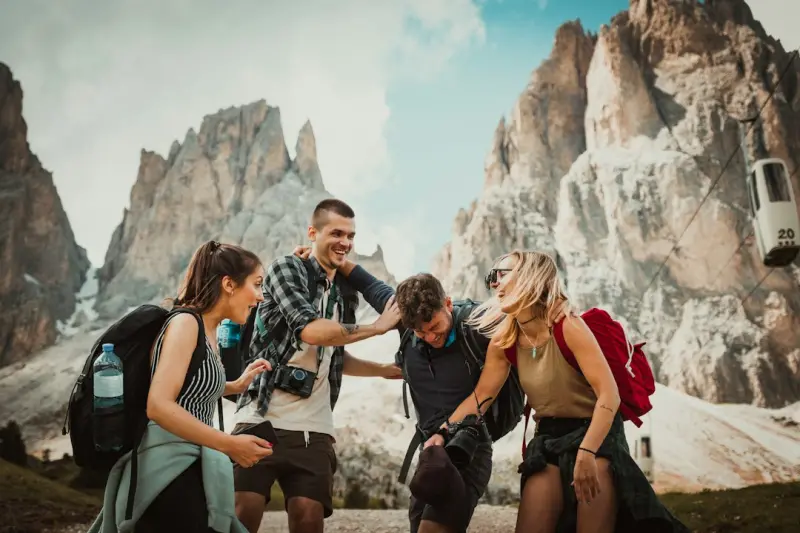
Why Travel Should Be a Full‑Body Conversation
When I first set out on a solo train ride through the rolling hills of the countryside, I expected the usual checklist: passport, itinerary, camera. What I didn’t anticipate was how profoundly my senses would rewrite the story of that journey. The scent of pine needles, the texture of weather‑worn stone walls, the low hum of distant cicadas – each element whispered a detail that no guidebook could capture. That moment sparked a curiosity that has since guided every trip I take: travel is at its richest when it becomes a dialogue with all five senses. In this post, I’ll walk you through how to intentionally design those sensory conversations, turning ordinary vacations into unforgettable experiences.
Re‑imagining the Itinerary: From Checkpoints to Sensory Check‑Ins
The traditional travel itinerary reads like a list of landmarks: museum, café, market, beach. It’s efficient, but it often treats the world as a series of visual postcards. To shift the focus, start by adding sensory check‑ins to each day. Ask yourself: “What will I see that’s unique? What will I hear that’s rare? Which flavors will define this place? How will the environment feel against my skin? What aromas will linger in my memory?” By framing each activity around a sense, you give yourself permission to linger, to observe, and to let the environment imprint itself beyond a quick photograph.
Sight: Curating a Visual Palette
Our eyes are often the first sense we rely on when traveling, yet most of us skim the visual landscape without truly observing. Instead of racing from one skyline to the next, choose a color or visual motif that will thread through your day. For example, a coastal town might be dominated by turquoise waters and whitewashed walls; a mountain village might echo earth tones and wooden textures. Spend time walking slower, noting how light shifts throughout the day, how shadows play on historic façades, and how local art reflects community stories. Carry a small sketchbook or a phone note to capture a single frame that resonated with you – not the whole scene, but the fragment that sparked emotion.
Sound: Tuning Into the Local Rhythm
Every place has a soundtrack. In bustling markets, it’s the chatter of vendors and the clink of metal. In remote islands, it might be the gentle lapping of waves against a pier. To make sound a central part of your travel, consider these practices:
- Morning Murmurs: Start your day with a brief pause at a window or balcony. Listen for birds, distant traffic, or the rustle of leaves. Let that audio cue set your mood.
- Local Music Sessions: Seek out a small venue or street performer. Even a spontaneous drum circle can reveal cultural rhythms you’d otherwise miss.
- Silence as Sound: In deserts or high-altitude regions, the absence of noise can be profoundly moving. Use these moments for reflection.
These auditory details often become the most vivid memories – the call to prayer echoing across a skyline, the rustle of silk scarves in a bazaar, the crackle of a fire under a starlit sky.
Taste: Flavor as Narrative
Food is the most immediate way cultures introduce themselves. Rather than defaulting to familiar dishes, explore the signature flavors that define a region. Here’s how to deepen the tasting experience:
- Market Immersion: Wander local markets early in the morning. Observe the colors of fresh produce, ask vendors about seasonal specialties, and sample a bite or two.
- Cooking Workshops: Join a short class where you learn to prepare a traditional dish. The tactile act of kneading dough or grinding spices becomes part of the memory.
- Flavor Journaling: Note the taste profile – sweet, smoky, tangy, umami – and pair it with the location. Over time, you’ll associate specific flavors with particular places.
When you return home, a spoonful of that unique spice can instantly transport you back to a sun‑kissed terrace or a bustling night market.
Touch: Feeling the Landscape
Touch is often overlooked because it’s considered a private sense. Yet it offers a direct line to the texture of a destination. Imagine feeling the cool, smooth stone of an ancient temple, the gritty sand between your toes, or the warm, woven fibers of a traditional blanket. To incorporate touch deliberately, try these ideas:
- Material Exploration: Seek out local crafts – pottery, textiles, woodwork – and handle them. Feel the weight, the grain, the weave.
- Environmental Interaction: Take off your shoes on a beach, roll down a hill on a grassy meadow, or rest your back against a tree in a park.
- Personal Comfort Items: Bring a small, familiar tactile object (like a soft scarf) and notice how it contrasts with new textures you encounter.
Scent: Anchoring Memories with Aroma
Smell is the sense most tightly linked to memory. A single fragrance can summon a whole day’s worth of emotions. When I first walked through a spice market in Marrakech, the blend of cumin, dried orange, and sandalwood created a mental snapshot that still feels vivid. To harness scent on your travels, consider the following:
- Identify Signature Scents: Every place has its olfactory hallmark – sea salt on a coastal town, incense in a temple, fresh pine in a mountain lodge.
- Carry a Portable Scent Journal: Use a small, resealable bag to collect a pinch of dried herbs, a leaf, or a piece of bark. Later, you can revisit those aromas at home.
- Link Scent to Experience: Pair a particular smell with a specific activity, such as sipping tea while the garden blooms. The next time you encounter that aroma, the associated memory resurfaces instantly.
For a deeper dive into the power of aroma, explore Scent, Color, and Calm: Unconventional Tools for Everyday Health, which explains how scent can be a strategic tool for well‑being.
Micro‑Rituals on the Road: Small Practices, Big Impact
Travel can be chaotic, but integrating micro‑rituals creates anchor points that ground you amidst new surroundings. A micro‑ritual is a brief, intentional habit you repeat daily – a five‑minute meditation, a gratitude note, or a simple stretch. When you embed these into your travel routine, they become familiar touchstones that reduce stress and heighten awareness.
For example, each evening after dinner, I spend a minute inhaling the fragrance of a local candle or tea, then jot down a single word that captures the day’s essence. Over a week, those words form a narrative tapestry of the journey. To learn more about how micro‑rituals can reboot your well‑being, read Beyond Soap: How Micro‑Rituals Reboot Your Well‑Being. The principles apply just as well on a beach at sunrise as they do in a bustling city.
Practical Tips for a Sensory‑First Trip
Designing a travel experience centered on the senses doesn’t require a complete overhaul of your planning process. Here are actionable steps to get you started:
- Pre‑Trip Research: Look beyond the typical “top attractions” list and search for sensory keywords – “local music scene,” “artisan market,” “nature trail.”
- Pack Thoughtfully: Bring a small notebook, a sketchpad, a reusable bag for scent samples, and a comfortable pair of shoes for tactile exploration.
- Schedule Flex Time: Allocate at least an hour each day with no fixed agenda. Use this time to follow a scent, a sound, or a visual cue that catches your attention.
- Engage Locals: Ask residents about their favorite smells, sounds, or textures. Their insider tips often lead to hidden gems.
- Reflect Daily: Before bed, review your sensory notes. Highlight the moments that stood out and consider how they altered your perception of the place.
These habits transform travel from a series of checkmarks into a living, breathing narrative that stays with you long after you return home.
Bringing the Sensory Journey Home
One of the most rewarding aspects of sensory travel is the ability to recreate those experiences when you’re back in familiar surroundings. Use the scent samples you collected, replay the playlists you discovered, or recreate a favorite dish in your kitchen. Even a simple photo of a textured wall can remind you of the tactile joy you felt. By intentionally preserving these sensory threads, you keep the travel spark alive and inspire future adventures.
Final Thoughts: Let Your Senses Lead the Way
Travel is more than ticking landmarks off a list; it’s a dialogue between your inner world and the outer landscapes you explore. When you give each sense a voice, you discover layers of culture, history, and emotion that often remain hidden beneath the surface. So the next time you plan a trip, ask yourself not only “where will I go?” but also “what will I see, hear, taste, feel, and smell?” Let those questions guide your itinerary, and you’ll return home with a richer, more resonant story of the world.

Karen Edwards is a seasoned freelance writer with a passion for all things furry, feathered, and scaled. With a dedicated focus on pets, she brings a wealth of knowledge and a keen eye for detail to her writing.
Related Posts
Flavor Trails: Crafting a Culinary Road Trip Across the Country
Explore a fresh travel angle: use food as your compass, plan seasonal stops, and create portable kit... Read More
Turning Everyday Commutes into Curiosity‑Fuelled Adventures
Learn to treat every commute as a mini‑expedition with sensory mapping, portable travel kits, culi... Read More
Rails & Reverie: Rediscovering the Romance of Train Travel
Miranda Murphy uncovers the hidden charm of train travel, guiding readers through micro‑adventures... Read More
Top Posts
When Machines Learn to Green: AI’s Role in Corporate Sustainability
AI is becoming a silent partner in corporate sustainability, turning raw emissions data into clear insights, optimizing supply chains, and co‑creating greener...Read More
Crafting a Five‑Sense Garden Oasis at Home
Learn to build a five‑sense garden that transforms your outdoor space into a year‑round sanctuary, using plants, sound, texture, and DIY art for holistic re...Read More
Why Garden Desks Are the New Career Catalyst
A garden desk isn’t just a pretty setup; it’s a strategic career tool that enhances focus, reduces burnout, and opens doors to new professional opportunitie...Read More
Micro‑Movement Healing: Tiny Exercise Bursts for Big Health Benefits
Learn how integrating tiny, frequent movements into daily routines can improve circulation, mental clarity, and overall well‑being without needing a gym....Read More
0 Comments
Post Comment
You will need to Login or Register to comment on this post!