
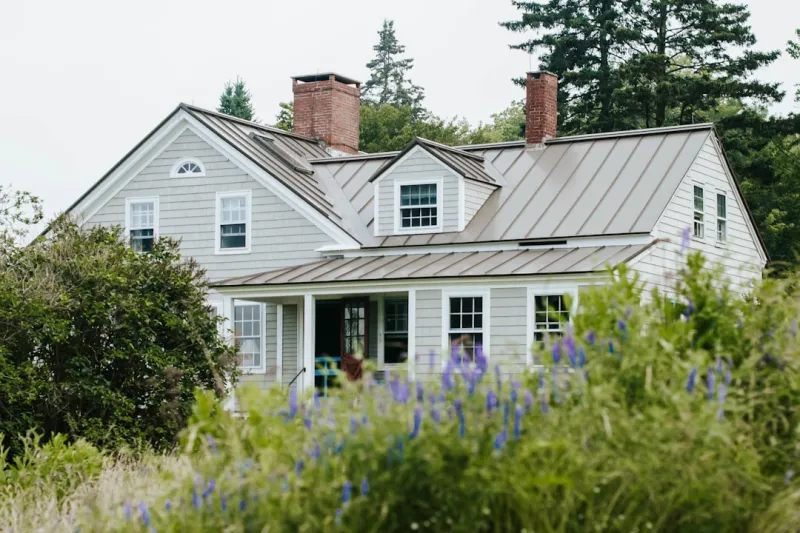
Reimagining the Backyard: From Weekend Hobby to Daily Sanctuary
When I first traded my cramped apartment balcony for a modest suburban lot, I thought the garden would be a weekend project—a place to plant tomatoes and forget about it until the next frost. What I didn’t anticipate was how quickly that patch of soil would become the pulse of my daily routine, shaping everything from my morning coffee ritual to my late‑night brainstorming sessions. The secret, I’ve learned, is treating the garden not just as a decorative backdrop but as a functional extension of the home, a living room that breathes fresh air and natural light into every corner of the house.
In practice, this means integrating low‑maintenance foliage that frames a patio, choosing hardy perennials that bloom year‑round, and installing subtle lighting that transitions from work mode to wind‑down mode with the setting sun. By aligning plant choices with seasonal rhythms, the garden becomes a predictable companion rather than an unpredictable chore. I’ve started each day with a brief “soil check,” a ritual that grounds my thoughts and signals the brain that it’s time to focus, whether I’m drafting a blog post or sketching a new garden layout.
For those who crave a seamless blend of productivity and nature, I recommend reading Cultivating a Remote‑Work Oasis, where I detail the exact steps to turn a garden into a year‑round productivity hub. The guide walks you through selecting ergonomic outdoor furniture, installing Wi‑Fi boosters, and even creating a small “green wall” that filters indoor air while providing a calming visual backdrop.
The Cozy Corner: Designing a Home Office That Feels Like a Living Room
Remote work has forced many of us to confront the reality that our home office is more than a desk and a chair; it’s a space that must nurture creativity, comfort, and focus simultaneously. My own office started as a spare bedroom with a cheap folding table, but after months of battling back pain and eye strain, I realized I needed a redesign that echoed the warmth of my living room. I swapped the sterile office chair for a plush armchair, added a textured rug, and introduced warm, dimmable lighting that mimics the glow of a fireplace.
Key to this transformation was the strategic use of color and texture. Soft, neutral walls paired with a few bold accent pieces—like a vintage wooden bookshelf or a handcrafted ceramic vase—create visual interest without overwhelming the senses. Plants, of course, play a starring role; a tall fiddle‑leaf fig in the corner not only purifies the air but also serves as a natural screen when video calls demand a tidy backdrop. This approach aligns with the ideas explored in Creating a Cozy Home Office, where I break down the psychology behind each design choice.
To keep the space functional, I integrated hidden storage solutions—under‑desk drawers, floating shelves, and a stylish filing cabinet that doubles as a decorative piece. The result is a workspace that feels less like a chore and more like an invitation to settle in, sip a cup of tea, and let ideas flow. By treating the home office as an extension of the living area, you’ll find yourself looking forward to workdays rather than dreading them.
Seasonal Shifts: Preparing Your Garden for the Extremes of Climate
Living in a region where winters bite hard and summers blaze hot forces any garden enthusiast to become a climate‑savvy planner. I’ve learned that the difference between a thriving garden and a wilted mess lies in anticipating seasonal shifts months in advance. This involves selecting plants that are native or well‑adapted to the local climate, using mulches to regulate soil temperature, and installing protective structures that double as aesthetic features.
One of my favorite tricks is to incorporate a series of raised beds with interchangeable covers—think canvas tarps for frost and shade cloths for scorching sun. These covers can be quickly deployed, allowing the soil to stay warm and protected without sacrificing airflow. Additionally, I rotate crops yearly, a practice that not only improves soil health but also reduces pest buildup, ensuring that each season starts with a fresh canvas.
For a deeper dive into winter preparation, check out Getting Your House Ready for Winter. The guide outlines how to insulate garden structures, store tools efficiently, and even harness the heat from your home’s HVAC system to keep greenhouse beds at an optimal temperature.
Edible Gardens: Turning Your Yard into a Fresh‑Food Marketplace
There’s a unique satisfaction in harvesting a crisp lettuce leaf or a sun‑kissed tomato straight from your own garden, and that joy translates into a healthier, more sustainable lifestyle. Over the past few years, I’ve shifted from decorative planting to an edible garden model, allocating half of my backyard to vegetables, herbs, and fruit‑bearing shrubs. The key is balancing aesthetics with productivity, ensuring the space remains inviting while delivering a steady harvest.
Companion planting is my secret weapon; pairing basil with tomatoes not only enhances flavor but also deters pests naturally. I also employ vertical gardening techniques—trellises, hanging baskets, and tiered planters—to maximize yield without sacrificing floor space. This vertical approach creates a lush, layered look that feels like a living tapestry, perfect for photo‑friendly corners that attract both bees and Instagram followers.
Integrating edible plants into decorative borders can transform a simple flower bed into a functional food source. For instance, interspersing rosemary and thyme among lavender not only adds fragrance but also provides fresh herbs for the kitchen, reducing the need for store‑bought packets and minimizing waste. This synergy between beauty and bounty is at the heart of modern home gardening.
Water Wise: Sustainable Irrigation Practices for Every Garden
One of the biggest challenges for gardeners, especially in drought‑prone areas, is managing water usage without compromising plant health. I’ve adopted a multi‑layered irrigation strategy that combines rain barrels, drip systems, and smart timers, significantly reducing my water bill while keeping the garden lush. Capturing rainwater in large, aesthetically pleasing barrels not only provides a free water source but also adds a rustic charm to the backyard.
Drip irrigation, installed beneath mulch, delivers water directly to the root zone, minimizing evaporation and runoff. When paired with a weather‑responsive smart controller, the system adjusts watering schedules based on real‑time precipitation data, ensuring that plants receive just the right amount of moisture. This technology has been a game‑changer, allowing me to focus on design and planting rather than constant watering checks.
Beyond technology, I practice mulching extensively, using organic materials like shredded bark and compost to retain moisture and suppress weeds. This layer acts like a blanket for the soil, keeping temperature fluctuations in check and feeding the earth as it decomposes. Together, these practices create a resilient garden that thrives even when the skies are dry.
Indoor‑Outdoor Flow: Blurring the Lines Between Home and Garden
In today’s design landscape, the most coveted homes are those that dissolve the barrier between indoor comfort and outdoor serenity. My latest renovation project centered on creating a seamless transition from the living room to the patio, using large sliding glass doors, matching flooring, and cohesive color palettes. When the doors glide open, the space feels like one expansive, breathable area, inviting both sunlight and fresh air to mingle with interior décor.
To maintain visual continuity, I chose a deck material that mirrors the hardwood floors inside, and added a series of low, modular sofas that can be rearranged for indoor lounging or outdoor entertaining. Ambient lighting continues the theme: recessed LEDs on the interior side pair with solar‑powered lanterns on the patio, ensuring a consistent glow after dusk. This fluidity encourages spontaneous gatherings, from casual coffee mornings to sunset dinner parties, all without the need for a formal “indoor‑outdoor” switch.
Plants play a vital role in this integration, acting as living partitions that soften edges while providing privacy. Tall grasses, ornamental bamboo, and scented shrubs create natural screens that can be adjusted throughout the year. By treating the garden as an extension of the home’s interior, you cultivate a space that feels both expansive and intimate.
DIY Projects: Personalizing Your Space with Handcrafted Touches
Nothing adds character to a garden or home quite like a DIY project that reflects personal style and ingenuity. Over the past year, I’ve completed several handcrafted pieces—an upcycled pallet coffee table, a reclaimed‑wood trellis, and a series of concrete planters painted in pastel hues. These projects not only save money but also tell a story, turning everyday objects into conversation starters.
When tackling a new DIY, I start with a clear vision and a realistic budget, then source materials from local salvage yards or thrift stores. The process is as rewarding as the final product; sanding a weathered board or mixing a batch of eco‑friendly concrete connects you to the material in a way mass‑produced items never can. I document each step, sharing progress on social media to inspire others and gather feedback.
For inspiration, I often refer back to my own articles, such as Embracing the Cozy, where I discuss the power of tactile elements in creating a welcoming atmosphere. By weaving personal craftsmanship into your garden and home, you infuse the space with authenticity that no store‑bought décor can replicate.
Future‑Focused Living: Preparing Your Home for the Next Generation of Work and Play
The rise of remote work has reshaped how we view our living spaces, turning bedrooms into boardrooms and backyards into brainstorming retreats. Anticipating this shift, I’ve begun reimagining my property as a flexible environment that can adapt to evolving lifestyle demands. Modular furniture, movable partitions, and multifunctional zones allow the same square footage to serve as a quiet office by day and a lively entertainment area by night.
Technology integration is equally essential. I’ve installed a robust mesh Wi‑Fi system that blankets the entire property, ensuring strong connectivity from the basement to the farthest garden bench. Smart home devices—voice‑controlled lighting, automated blinds, and climate sensors—adjust the ambience automatically, supporting both focus and relaxation without manual intervention. This tech‑forward approach not only boosts productivity but also enhances overall well‑being.
Looking ahead, I encourage homeowners to think of their spaces as living ecosystems, capable of growing and evolving just like the plants they nurture. By embracing flexibility, sustainability, and personal expression, you’ll create a home that stands the test of time, serving both work and play with equal grace.

Jimmy Damon loves to right on a large scale of topics with all things Canadian as this Montreal die hard loves hockey. fishing and sports.
Related Posts

Seasonal Color Planning: A Year‑Round Curb Appeal Blueprint
Learn how to design a garden that evolves with the seasons, using evergreen foundations, strategic p... Read More
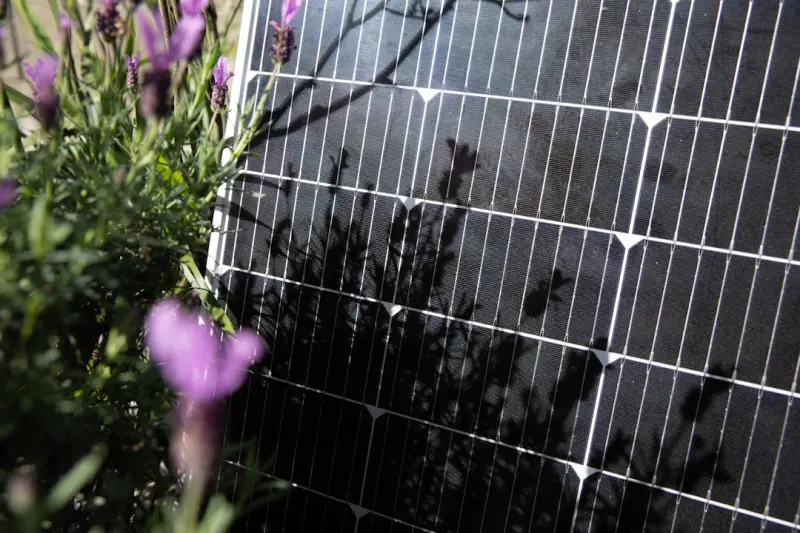
Brightening Your Home with DIY Solar Gardens: A Hands‑On Guide
Discover a step‑by‑step guide to creating a DIY solar garden that blends sustainable energy with... Read More

Reimagining the Front Porch: From Forgotten Step to Neighborhood Hub
Learn how to transform a dull front porch into a vibrant, functional oasis that nurtures personal re... Read More
Top Posts

Turning Every Trip Into a Personal Innovation Lab
Learn to treat each journey as a lab for personal growth. From hypothesis crafting to reflective storytelling, this guide shows you how to turn travel into a po...Read More
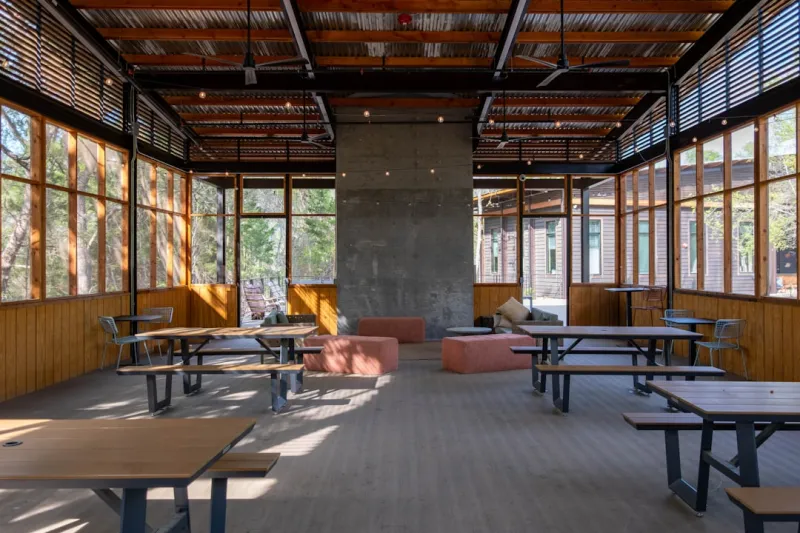
Why Outdoor Workspaces Are Changing the Way We Work
Explore the shift from cubicles to garden desks, the science behind nature‑driven productivity, and practical steps to create a backyard office that transform...Read More

AI as a Cultural Bridge: Translating Nuance in Global Teams
Learn why AI must go beyond literal translation, embracing cultural nuance through knowledge graphs, human‑in‑the‑loop validation, and new metrics that me...Read More

Why Breathwork Should Be Your Office Super‑Power
Learn why intentional breathing is the most accessible health tool for office professionals, backed by science, real‑world case studies, and a 30‑day challe...Read More
0 Comments
Post Comment
You will need to Login or Register to comment on this post!