
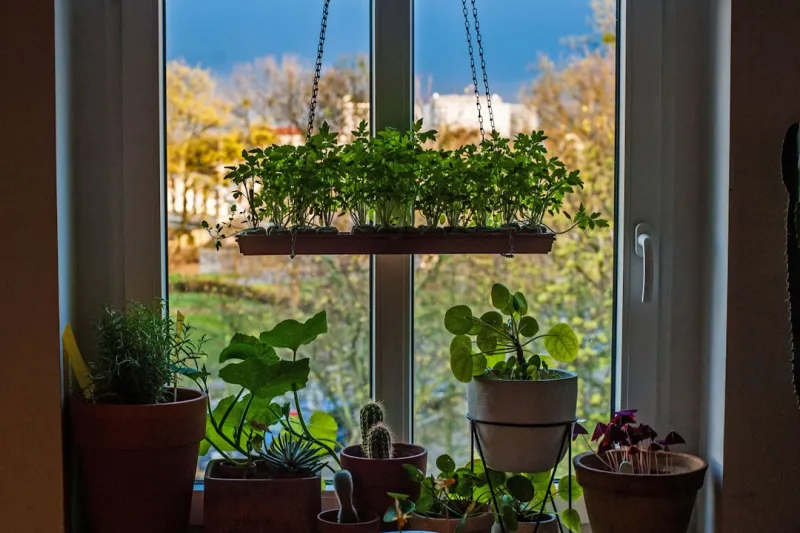
Why the Garden Desk Became My Secret Sanctuary
It started on a breezy Saturday when I dragged my laptop onto a weather‑worn table under the lilac hedge, and the world outside the window suddenly felt like an invitation rather than a distraction; the chirping sparrows, the faint scent of rosemary, and the dappled sunlight created a backdrop that made deadlines feel less like shackles and more like stepping stones. I quickly realized that this modest outdoor nook was doing something miraculous to my mindset, turning the usual grind into a gentle flow of ideas that seemed to sprout as naturally as the garden’s own blossoms. That moment of clarity sparked a personal mission to design a space where work and nature could coexist without compromise, and the rest of the story unfolded from there.
Designing a Backyard Oasis That Fuels Creativity
When I first sketched out the layout for my garden desk, I borrowed inspiration from the article Cultivating Creativity, which taught me that a seamless blend of ergonomic furniture and thriving plants can amplify focus by up to thirty percent, according to recent studies on biophilic design; the key is to choose a sturdy, weather‑proof desk that invites you to sit for hours while still feeling light enough to move with the wind. I opted for reclaimed pine, treated with a natural oil finish that both honors the timber’s history and protects it from rain, then surrounded it with a low fence of lavender, rosemary, and sage—aromatics that not only deter pests but also release calming essential oils as you breathe deeply between tasks. By positioning the desk so the morning sun kisses the work surface while the afternoon shade offers cool relief, I created a rhythm that mirrors the sun’s own cycle, keeping my energy balanced and my thoughts vibrant throughout the day.
Health Perks That Extend Beyond the Desk
Unlike a conventional indoor office, an outdoor workspace forces you to incorporate movement, whether it’s stretching to adjust a sunshade, stepping outside for a quick walk among the roses, or simply standing to enjoy a burst of fresh air after a long video call; these micro‑breaks have been shown to reduce eye strain, lower cortisol levels, and improve overall circulation, turning a simple workday into a holistic wellness practice. The natural light filtering through the leaves also boosts vitamin D production, which is essential for bone health and mood regulation, while the gentle rustle of leaves serves as a low‑level white noise that drowns out the harsh clatter of city traffic. In my experience, the combination of sunlight, gentle breezes, and the occasional song of a robin has transformed what used to be a sedentary slump into a series of invigorating moments that leave my mind feeling refreshed and my body less prone to the aches that haunt many desk‑bound professionals.
Boosting Productivity and Career Momentum
One of the most unexpected rewards of my garden desk has been its impact on my professional trajectory; after a few weeks of consistently logging projects from my leafy perch, I noticed a measurable uptick in my output quality, and colleagues began asking for tips on how to replicate my newfound focus. This phenomenon is explored in depth in Why Garden Desks Are the Secret Weapon for Career Growth, where experts argue that the mental clarity derived from nature exposure can sharpen decision‑making and foster innovative thinking—two traits that managers love to see when scouting for promotion candidates. In fact, the very act of stepping away from a sterile cubicle and immersing yourself in a living environment signals to your brain that you’re in a growth mindset, priming you to seize opportunities, propose bold ideas, and ultimately position yourself as a catalyst for change within your organization.
Balancing Home Life and Work Without Blurring Boundaries
Creating a distinct physical separation between “home” and “office” is a challenge many remote workers face, but the garden desk offers a natural solution: the simple act of walking across the lawn to reach your workstation signals a mental shift that prepares you for focused activity, while stepping back onto the patio or into the kitchen afterward marks the transition to personal time; this rhythmic movement prevents the dreaded feeling of being perpetually “on the clock.” I’ve also instituted a ritual of closing my laptop and planting a seed in a small pot at the end of each day, a symbolic gesture that both celebrates completed tasks and nurtures the garden’s ongoing growth, reinforcing the idea that work can coexist peacefully with the cycles of nature. By honoring these physical and symbolic boundaries, I’ve cultivated a sustainable work‑life equilibrium that protects my evenings and weekends from the creeping creep of email notifications.
Eco‑Friendly Choices That Honor the Earth
When selecting materials for my garden desk, I prioritized sustainability, opting for reclaimed wood, recycled metal brackets, and a shade sail made from reclaimed sailcloth; each component not only reduces waste but also tells a story of transformation that aligns with the garden’s own narrative of renewal. I also incorporated a rainwater collection barrel nearby, using the harvested water to nurture my potted herbs, thereby closing the loop between my workspace and the environment it thrives in; this small act of stewardship reinforces a deeper connection to the land and reminds me daily that productivity can be both profitable and planet‑friendly. By sharing these eco‑conscious decisions with my online community, I’ve sparked conversations about how simple swaps—like swapping a plastic chair for a bamboo one—can collectively make a significant impact on reducing our carbon footprints while still delivering the comfort and functionality needed for a successful workday.
DIY Budget Tips for a High‑Impact Garden Desk
If you’re hesitant about the cost of an outdoor office, know that a remarkable setup can emerge from thrift store finds and a bit of creativity; I started with a sturdy pallet, sanded it down, and coated it with a weather‑resistant sealant, turning a modest platform into a sleek desk that supports a laptop, notebook, and a steaming cup of tea. Adding a reclaimed metal frame from an old garden gate gave the structure extra stability and a rustic charm, while a simple rope‑woven shade canopy—crafted from repurposed fishing line—provided just enough shade to keep glare at bay without blocking the sun entirely. Pair these DIY pieces with inexpensive accessories like a solar‑powered LED strip for evening work sessions, and you’ll have a functional, aesthetically pleasing garden desk that rivals pricier commercial options, all while staying well within a modest budget.
Community, Sharing, and the Garden Desk Revolution
The rise of outdoor workspaces has sparked a vibrant online community where enthusiasts exchange tips, showcase transformations, and celebrate the collective joy of working among blossoms; I often browse the discussion in Garden Desk Revolution for fresh inspiration, from innovative plant arrangements that double as air purifiers to creative lighting solutions that turn twilight into prime productivity hours. Engaging with fellow garden‑desk aficionados has taught me that the true power of this trend lies not only in individual productivity gains but also in the sense of belonging that emerges when we share our successes, challenges, and even the occasional garden‑related mishap. By contributing my own before‑and‑after photos and offering step‑by‑step guides, I’ve helped others envision how a modest corner of their yard can evolve into a thriving sanctuary that nurtures both personal well‑being and professional ambition.
Making the Leap: Your Next Steps Toward a Flourishing Workspace
If you’re ready to invite the serenity of nature into your daily grind, start by assessing the sunlight patterns in your backyard, choosing a spot that balances light and shade throughout the day, and sketching a simple layout that accommodates your essential work tools; this planning phase ensures that your garden desk will be both functional and harmonious with the surrounding flora. Next, gather materials—whether you repurpose vintage furniture or invest in a purpose‑built outdoor desk—and assemble your space with an eye for durability, comfort, and aesthetic cohesion, remembering that each plant you add is an ally in boosting focus and reducing stress. Finally, commit to a routine that celebrates the transition between work and leisure, perhaps by ending each day with a brief garden meditation or a cup of herbal tea, thereby reinforcing the symbiotic relationship between productivity and the natural world that you’ve cultivated. Embrace this journey, and watch as your home transforms into a sanctuary where career growth, creativity, and well‑being flourish side by side.

When it comes to the world of blogging and writing, Rose DesRochers is a name that stands out. Her passion for creating quality content and connecting with her audience has made her a trusted voice in the industry. Aside from her skills as a writer and blogger, Rose is also known for her compassionate nature.
Related Posts
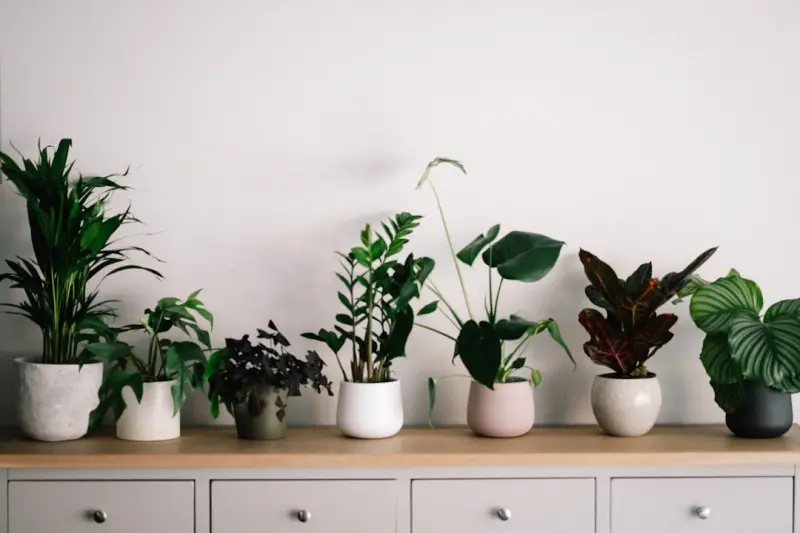
Seasonal Plant Swaps: Keeping Your Indoor Garden Fresh All Year
Learn how a simple seasonal plant swap can transform your indoor garden, improve air quality, and re... Read More

How to Build a Xeriscape Oasis That Thrives With Minimal Water
Discover step‑by‑step strategies for designing a xeriscape oasis, from soil improvement and plan... Read More
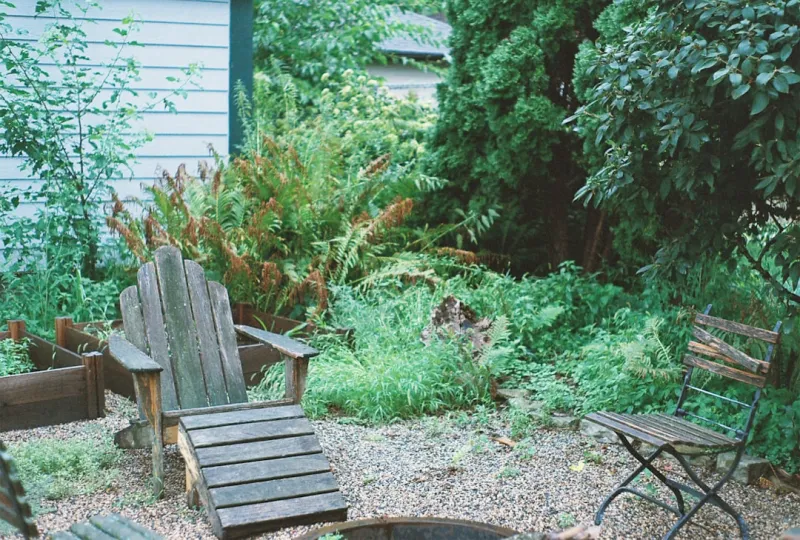
Garden Desks: Turning Your Backyard into a Productive Oasis
A garden desk isn’t just a trend—it’s a game‑changing workspace that fuses productivity with... Read More
Top Posts

Why My Garden Desk is the Ultimate Home & Garden Trend of 2024
Jimmy Damon shares the secret behind his garden desk, a sustainable workspace that boosts creativity, cuts energy costs, and redefines modern living....Read More

The Mini‑Movement Method: Boosting Health One Small Step at a Time
Learn the Mini‑Movement Method, a practical approach that uses short, purposeful activity bursts throughout the day to improve circulation, metabolism, and me...Read More

Micro‑Moments: Reimagining Personal Care in a Hyper‑Connected World
Learn how to turn brief, frequent micro‑moments—like a lighting cue or a 30‑second breath—into powerful personal‑care practices that boost energy, foc...Read More

Designing a Personal Learning Roadmap to Accelerate Your Career
A step‑by‑step guide to building a personal learning roadmap that aligns with business priorities, leverages micro‑internships, and negotiates dedicated d...Read More
0 Comments
Post Comment
You will need to Login or Register to comment on this post!