
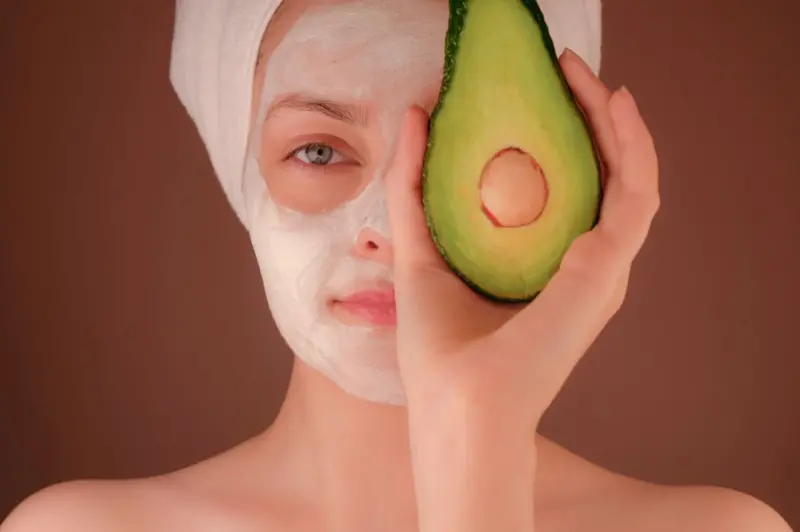
Why Our Senses Matter More Than We Think
When I first stepped into a spa that offered cryotherapy followed immediately by a aromatherapy session, I felt like I’d stumbled onto a secret shortcut to feeling refreshed. The cold shock jolted my nervous system, while the gentle scent of eucalyptus coaxed my breath deeper. It wasn’t just a fancy indulgence; it was a reminder that our bodies are wired to respond to a symphony of sensations. Most of us treat personal care as a checklist—shower, brush, moisturize—without considering how the how of each step can amplify or diminish the overall effect.
Introducing Sensory Layering
Sensory layering is the practice of deliberately stacking tactile, thermal, and olfactory cues to create a cohesive, uplifting experience. Think of it as building a short, intentional ritual where each sense supports the next, turning a mundane routine into a moment of mindful rejuvenation.
Why does this work? Our nervous system processes sensory input through pathways that intersect with the limbic system—the brain’s emotional hub. By curating a sequence that gently nudges these pathways, we can shift mood, lower stress hormones, and even improve skin barrier function without adding extra time to our day.
The Three Pillars of Sensory Layering
- Touch: The texture and pressure you apply to your skin.
- Temperature: The heat or coolness introduced during each step.
- Aroma: The scents that accompany the ritual, whether natural or synthetic.
1. The Touch Factor – From Feather‑Light to Firm Grip
Our skin hosts a network of mechanoreceptors that differentiate between soft, gentle strokes and deeper, more forceful pressure. Each type triggers a distinct hormonal response. Light brushing with a soft brush can stimulate serotonin release, creating a calm, content feeling. In contrast, a firmer massage promotes endocannabinoid production, which can ease tension.
Practical tip: After showering, spend 30 seconds gently massaging your forearms with a silicone scrubber. Follow this with a brief, firm kneading motion on your shoulders using a handheld massager. The alternation between light and firm helps balance the nervous response, preventing overstimulation.
2. The Temperature Play – Warmth, Cool, and the Sweet Spot
Temperature is a powerful, yet often overlooked, component of self‑care. Warm water dilates blood vessels, improving circulation, while cool water contracts them, reducing inflammation. The key is to alternate rather than stick to one extreme.
Try this simple sequence:
- Begin with a warm (not hot) rinse for 2 minutes—think a comforting hug for your skin.
- Switch to a cool splash for 30 seconds—this “shock” signals the body to tighten pores and stimulate lymphatic flow.
- Finish with a lukewarm finish that leaves the skin feeling supple.
The alternation triggers a mild “thermogenic” response, which can boost metabolism at the cellular level and improve the skin’s ability to retain moisture.
3. The Aroma Angle – Scent as a Mood Architect
Our sense of smell is directly linked to the amygdala, the part of the brain that processes emotions. Certain aromas have been studied for their specific effects: lavender calms, citrus uplifts, rosemary sharpens focus. The trick is to pair the scent with the appropriate touch and temperature.
Here’s a pairing guide:
- Calm & unwind: Warm oil massage with lavender or chamomile essential oil.
- Boost & energize: Cool facial mist infused with grapefruit or peppermint.
- Focus & clarity: Light fingertip tap with rosemary-infused serum after a warm shower.
Putting It All Together: A Sample Morning Routine
Below is a 7‑minute routine that leverages all three pillars. Feel free to adapt the timing to fit your schedule.
- Wake‑up Breath – Before even leaving the bed, inhale deeply for five counts, exhale for five. This primes your respiratory system and prepares the brain for the upcoming sensory cues.
- Warm Shower (2 minutes) – Set the water to a comfortably warm temperature. As the water cascades, use a loofah with a gentle, circular motion on your arms and legs, focusing on a light touch.
- Cool Rinse (30 seconds) – Flip the knob to a cool setting. While the water runs, lightly tap your scalp with fingertips—this stimulates the nerve endings on your head.
- Massage Oil (1 minute) – Pat dry and apply a few drops of a warm lavender-infused body oil. Using firm, circular strokes, massage your shoulders and upper back.
- Aromatic Mist (30 seconds) – Spritz a facial mist containing a citrus blend. Lightly pat the skin with your fingertips, allowing the coolness to linger.
- Finish with a Smile (30 seconds) – Stand in front of a mirror, give yourself a genuine smile, and say a quick affirmation. The visual cue reinforces the positive emotional state you’ve cultivated.
This routine may look simple, but the strategic layering of sensations creates a cascade effect that lingers well beyond the bathroom door.
Science Spotlight: The Neurological Basis
Research shows that multimodal sensory input can enhance neuroplasticity—the brain’s ability to rewire itself. When you consistently pair a particular scent with a calming touch, your brain begins to associate the two, making future exposure to that scent a quick shortcut to relaxation. This is why a simple whiff of lavender can instantly calm you after weeks of practice.
Moreover, temperature fluctuations stimulate daily personal care habits that are more than skin‑deep. The brief cold exposure activates brown adipose tissue, which burns calories to generate heat, indirectly supporting metabolic health.
Beyond the Bathroom: Extending Sensory Layering to Your Workspace
Personal care doesn’t have to end when you step out of the bathroom. Bring the same principles to your desk:
- Touch: Keep a smooth stone or textured stress ball on your desk. Switch between a gentle roll and a firm squeeze every hour.
- Temperature: A small heated pad for your wrists during cold mornings, followed by a quick cool pack for a brief reset during the afternoon slump.
- Aroma: A diffuser with alternating essential oils—peppermint for focus, then lavender for a mid‑day calm.
This creates micro‑moments of sensory reset that keep you centered without breaking your workflow.
Tailoring to Individual Preferences
Everyone’s sensory map is unique. Some may find cold water invigorating, while others experience it as a stress trigger. The beauty of sensory layering is its flexibility. Start by noting how you feel after each cue—use a simple journal or a note‑taking app. Over time, you’ll discover the optimal combos that deliver the biggest lift.
For those who love a bit of science, consider tracking the gut‑skin axis. Certain aromas, like rosemary, have been linked to improved circulation that supports skin health from the inside out. Pairing them with a light massage can enhance nutrient delivery to skin cells, amplifying the benefits of your topical products.
Common Pitfalls & How to Avoid Them
- Over‑stimulating: Stacking too many strong cues (e.g., hot shower + strong peppermint) can overwhelm the nervous system. Keep one dominant sense per step.
- Skipping the Cool Down: Ending on a high‑energy cue leaves the body in a state of alertness, making it harder to transition to work or sleep.
- Using Synthetic Scents Excessively – Natural essential oils tend to be gentler and provide additional therapeutic compounds.
Final Thoughts: Making Sensory Layering a Habit
Turning sensory layering into a habit is less about perfection and more about consistency. Start with a single element—perhaps a 30‑second cool splash after your shower—and build from there. Within weeks, you’ll notice a subtle shift in how quickly you feel grounded after a stressful call or a hectic commute.
Remember, personal care is an act of self‑respect, not a luxury. By honoring the full spectrum of our senses, we give our bodies the information they crave to thrive. So next time you step into the bathroom, ask yourself: What does my body need to hear, feel, and smell right now? The answer is the first step toward a richer, more resilient you.

Armed with a degree in English Literature, Jill’s journey into the digital space wasn't just a career move; it was a natural extension of her lifelong love affair with storytelling. While some writers view search engine optimization (SEO) as a rigid constraint, Jill sees it as a creative puzzle. She understands the delicate art of balancing the algorithmic demands of search engines with the human desire for resonance, emotion, and value. To Jill, keywords aren't just targets to hit; they are the breadcrumbs that lead eager readers straight to the answers they’ve been searching for.
Related Posts
Crafting a Personal Care Sanctuary: Rituals That Anchor Your Day
A practical guide to creating a personal care sanctuary that blends intentional lighting, texture, a... Read More
Screen‑Savvy Skin: Daily Reset for Remote Workers
A practical guide for remote professionals on protecting and revitalizing facial and hand skin, feat... Read More

Texture‑Driven Personal Care: Why Feel Matters More Than You Think
Discover the power of texture in daily routines, from warm mugs to cool rollers, and learn how subtl... Read More
Top Posts

Turning Everyday Commutes into Curiosity‑Fuelled Adventures
Learn to treat every commute as a mini‑expedition with sensory mapping, portable travel kits, culinary trails, and community sharing, turning ordinary travel ...Read More

Nurturing Your Inner Ecosystem: A Fresh Take on Gut Health
Explore a fresh perspective on gut health, from feeding beneficial bacteria to debunking myths, and learn simple daily habits that transform digestion, mood, an...Read More

AI as a Resilience Engine: Turning Uncertainty into Opportunity
AI isn’t just about speed; it’s about building a resilience engine that anticipates risks, runs dynamic simulations, and automates response—turning uncert...Read More

How to Turn Every Layover Into a Mini‑Adventure
Learn practical tips for turning idle airport time into spontaneous mini‑adventures, from local culture hacks to on‑the‑go productivity boosts....Read More
0 Comments
Post Comment
You will need to Login or Register to comment on this post!