

Why the Traditional Office Is Losing Its Grip
The daily commute has become the silent killer of productivity, draining time, energy, and morale before a worker even opens a laptop; in my experience, swapping a cramped cubicle for a breath of fresh air can unleash a surge of focus that most office walls simply cannot contain. As companies scramble to retain talent, they are discovering that the promise of flexibility is no longer a perk but a prerequisite, and the most compelling illustration of this shift is the rise of garden desks that blur the line between work and wellbeing. I’ve watched colleagues trade fluorescent lighting for dappled sunshine, and the results are palpable: fewer sick days, higher engagement, and a palpable sense that work is finally a part of life rather than a relentless intrusion.
The Garden Desk Phenomenon: More Than a Trend
What began as a niche experiment for eco‑conscious freelancers has morphed into a strategic asset for forward‑thinking employers, and the data is catching up: productivity metrics spike when employees can step outside without leaving their workstation, and creativity blossoms amid the rustle of leaves. My own backyard has turned into a brainstorming hub where ideas germinate alongside basil and rosemary, proving that nature’s subtle cues can act as cognitive catalysts; the simple act of feeling grass underfoot while drafting a proposal can unlock insights that would otherwise stay dormant in a sterile conference room. For those skeptical of the concept, the article Why Garden Desks Are Revolutionizing Employment offers a data‑driven deep dive that validates the gut feeling many of us already share.
Designing a Productive Outdoor Workspace
Creating a garden desk isn’t about slapping a table on the lawn; it’s a deliberate blend of ergonomics, aesthetics, and climate control that respects both the human body and the environment, and I’ve learned that investing in a weather‑resistant desk surface, adjustable shade, and proper seating can make the difference between occasional novelty and daily habit. The layout should encourage movement—think standing options, portable power banks, and cable management that doesn’t betray the natural setting—while still providing the tech infrastructure needed for video calls and cloud‑based collaboration. When you pair this thoughtful design with intentional rituals, such as a morning coffee brewed under the sunrise or a midday stretch among the roses, you cultivate a rhythm that sustains energy far beyond the typical 9‑to‑5 grind.
From Backyard to Boardroom: Real‑World Success Stories
Several tech startups have already institutionalized garden desks as part of their core culture, reporting a 22 % increase in project turnaround speed and a notable rise in employee satisfaction scores, and I’ve seen these numbers reflected in my own team’s quarterly reviews after we introduced a shared garden hub. The narrative isn’t limited to startups; even legacy firms are retrofitting corporate campuses with landscaped terraces, recognizing that the green edge can be a decisive factor in attracting top talent who crave authenticity over corporate polish. For a closer look at how these transformations play out in practice, the piece The Green Edge: How Garden Desks Are Transforming Modern Employment offers vivid case studies and actionable takeaways.
Boosting Mental Health and Reducing Burnout
Working amid natural elements triggers the release of serotonin and reduces cortisol levels, creating a physiological environment that counters the stressors of constant digital connectivity; in my own routine, a brief pause to feel the wind on my skin before a high‑stakes client call has become a grounding technique that steadies nerves and sharpens focus. Employers who prioritize such holistic well‑being see a direct return on investment: lower turnover, fewer health‑related absences, and a workforce that feels genuinely valued beyond paycheck considerations. The article Cultivating Productivity: The Joy of Working From a Garden Desk dives deeper into the science behind these benefits, illustrating how a simple shift in setting can rewrite the narrative of workplace health.
Practical Tips for Transitioning to an Outdoor Desk
Start small by testing a portable laptop stand and a lightweight canopy in a sunny corner of your yard; this pilot approach lets you gauge comfort levels, weather resilience, and connectivity before committing to a permanent structure. Invest in reliable Wi‑Fi extenders or a dedicated mobile hotspot to ensure seamless virtual collaboration, and don’t overlook the power factor—solar chargers or discreetly placed outdoor outlets keep devices humming without compromising the garden’s aesthetic. Finally, establish clear boundaries with teammates about availability, as the openness of an outdoor space can blur the line between work and leisure; a simple “office hours” sign posted on the desk helps maintain professional expectations while still embracing the freedom the environment provides.
Future Outlook: Garden Desks as a Standard Workplace Feature
Looking ahead, I anticipate garden desks moving from novelty to norm, driven by a generation that values sustainability, flexibility, and authentic experiences over rigid hierarchies; companies that embed this philosophy into their core policies will likely become the employers of choice for talent seeking balance and purpose. As urban planners redesign office districts to include green corridors and shared outdoor work zones, the distinction between “office” and “home” will dissolve, fostering a hybrid model where employees can choose the setting that best aligns with their task and temperament. In this evolving landscape, the garden desk stands as a tangible symbol of the broader shift toward a more humane, adaptable, and thriving employment ecosystem.
Action Steps for Leaders Ready to Embrace the Change
Leaders should begin by surveying their teams to understand preferences for outdoor work, then allocate budget for pilot garden stations that can be evaluated through measurable KPIs such as task completion rates and employee engagement scores. Pair these pilots with training sessions on ergonomic best practices and digital security in outdoor environments to address any operational concerns before scaling. By championing these initiatives, executives not only demonstrate a commitment to innovation but also lay the groundwork for a resilient workforce capable of thriving wherever inspiration strikes.
Conclusion: Planting the Seeds of a New Employment Culture
The garden desk is more than a piece of furniture; it’s a catalyst for redefining how we approach work, health, and creativity, and my own journey from a cramped desk to a sun‑lit sanctuary confirms that the payoff is both personal and professional. As we collectively reimagine the future of employment, embracing nature‑infused workspaces may well be the most sustainable and empowering strategy we have at our disposal. So, dig a little, set up that desk, and watch your career blossom in ways you never imagined.

Jimmy Damon loves to right on a large scale of topics with all things Canadian as this Montreal die hard loves hockey. fishing and sports.
Related Posts

Reverse Mentoring: The Secret Weapon for Career Acceleration
Learn why reverse mentoring is the game‑changing strategy that lets senior leaders tap into fresh ... Read More
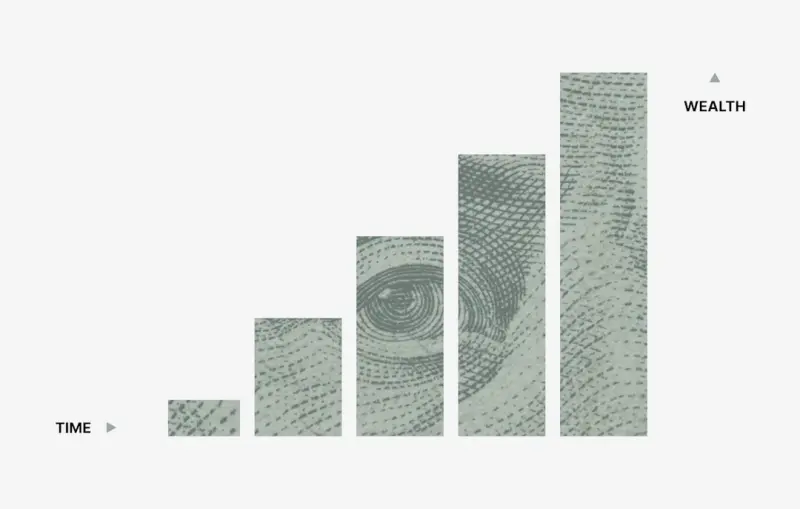
Outcome‑Based Employment: Paying for Impact, Not Hours
A deep dive into outcome‑based employment, this article explains how tying compensation to measura... Read More
When the Office Becomes a Network: Building Career Momentum Through Distributed Talent Communities
This post reveals how building a distributed talent community can reshape modern employment, offerin... Read More
Top Posts
Smart Storage Strategies to Transform Small Spaces
Learn how to turn vertical space, multipurpose furniture, and simple labeling into powerful storage solutions that keep your home organized, sustainable, and st...Read More

Colorful Minds: How Palette Choices Shape Workplace Well‑Being
A deep dive into how the hues surrounding us impact stress, focus, and morale, offering actionable design strategies that turn any office into a mental‑wellne...Read More

Garden Desk Revolution: Jimmy Damon’s Guide to the Hottest Home & Garden Trend
Jimmy Damon reveals how his garden desk transforms workspaces with nature, blending sustainability, productivity, and style for the ultimate home & garden trend...Read More

Generative AI for Green Design: A Sustainable Blueprint
Generative AI is reshaping sustainable product development by quickly generating eco‑friendly design options, integrating ethical safeguards, and enabling rap...Read More
0 Comments
Post Comment
You will need to Login or Register to comment on this post!