
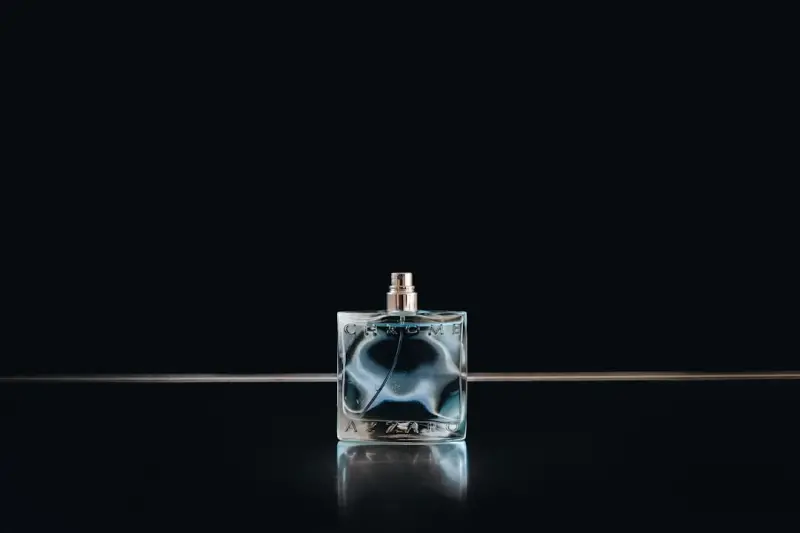
Why Smell Is the Unsung Hero of Modern Personal Care
When I was a teenager, my idea of a personal‑care routine was a quick splash of after‑shave and a dash of cologne that promised “confidence in a bottle.” Fast forward a decade, and I find myself obsessing over the subtle chemistry of scent, the way a whiff of citrus can sharpen focus during a sprint coding session, or how a hint of lavender can dissolve the anxiety that builds after a back‑to‑back Zoom marathon. In an age where we are bombarded with visual noise and digital overload, I’ve discovered that scent offers a surprisingly quiet, yet potent, avenue to reclaim control over our mental and physical well‑being.
The Science Behind the Nose
The olfactory system is the oldest of our senses, directly wired to the limbic system—the brain’s emotional epicenter. Unlike sight or sound, which travel through multiple synaptic stations before reaching feelings, smell takes a shortcut, delivering aromatics straight to the part of the brain that governs memory, mood, and even hormone regulation. Research shows that inhaling certain essential oils can lower cortisol, improve heart‑rate variability, and even stimulate neurogenesis. In practical terms, a well‑chosen scent can turn a hectic morning into a grounding ritual, and a stressful afternoon deadline into a moment of calm clarity.
From Luxury to Everyday: Democratizing Aromatic Care
For years, the world of perfumery felt like an exclusive club—expensive bottles, mysterious notes, and marketing that whispered “you’re special.” Today, the barrier is crumbling. Small‑batch artisans, DIY platforms, and even mainstream retailers are offering transparent, sustainably sourced essential‑oil blends at accessible price points. This democratization aligns perfectly with the broader personal‑care trend of moving from one‑size‑fits‑all products to customized experiences. The question isn’t whether to use scent, but how to integrate it deliberately into the moments that matter most.
Crafting a Scent‑First Morning Routine
My mornings now start with a two‑step aromatic reset that takes less than five minutes but feels like a mini‑spa. First, I spray a light mist of grapefruit‑bergamot on my pillowcase and let the citrusy vapor mingle with the early light. Within minutes, my brain shifts from groggy to alert, a natural alternative to the caffeine surge that often ends in a mid‑morning crash. Second, I roll a dab of peppermint oil onto my wrists and inhale deliberately before stepping into the day’s first meeting. The cool, invigorating scent sharpens my focus, making me feel prepared for whatever the agenda throws at me.
Midday Mood Management: The Power of Scented Breaks
When the afternoon slump hits, I reach for a small diffuser tucked under my desk. A blend of rosemary and eucalyptus releases a subtle, herbaceous aroma that clears mental fog and supports respiratory ease—perfect for those days when my laptop’s fan sounds like a jet engine. The act of pausing to adjust the diffuser also forces a micro‑break, a tiny ritual that interrupts the endless scroll of emails and restores a sense of intentionality.
Evening Wind‑Down: From Light to Dark
Evening is when scent truly shines as a personal‑care catalyst. I dim the lights, light a vanilla‑sandalwood candle, and settle into a few pages of a book. The warm, grounding notes signal my nervous system to release melatonin, easing the transition from activity to rest. Unlike the blue‑light glow of screens, which can sabotage sleep, these natural aromatics help synchronize my circadian rhythm, ensuring I wake up refreshed and ready to repeat the scent cycle.
Integrating Scent With Other Personal‑Care Practices
If you’re already experimenting with micro‑rituals, you’ll notice that scent dovetails beautifully with other habits. For instance, the Micro‑Rituals: Redefining Personal Care in the Age of Distraction post highlighted how tiny, repeated actions can anchor us amidst constant notifications. Adding a deliberate inhalation of a chosen scent at the start of each micro‑ritual amplifies its impact, turning a simple stretch into a multisensory cue for the brain.
Similarly, aligning scent with the natural shifts of the seasons can deepen its effect. In the spring, bright citrus and green herbal notes echo the world’s renewal; in winter, deeper amber and spice create a cocoon of comfort. The Seasonal Reset: Aligning Your Body with Nature’s Rhythm for Better Health article emphasized how syncing our bodies with environmental cues boosts resilience. By matching our aromatic choices to seasonal changes, we reinforce that very synchronization.
Choosing the Right Scents: A Quick Guide
- Citrus (lemon, orange, bergamot) – Ideal for waking up, boosting energy, and sharpening focus.
- Herbal (rosemary, sage, eucalyptus) – Supports mental clarity, respiratory health, and can aid concentration during work.
- Floral (lavender, rose, ylang‑ylang) – Calms anxiety, promotes relaxation, and improves sleep quality.
- Spice & Wood (cinnamon, sandalwood, cedar) – Grounding, comforting, and perfect for evening wind‑downs.
- Earthy (patchouli, vetiver) – Encourages mindfulness, reduces stress, and enhances meditation practices.
When selecting a scent, consider three factors: personal preference, the desired physiological response, and the context of use. A scent that energizes you in the morning might feel overwhelming at night. Keep a small journal of how each aroma affects your mood and productivity; patterns will emerge, guiding you toward a personalized aromatic palette.
DIY Aromatic Hacks for the Budget‑Conscious
Not everyone wants to buy a high‑end diffuser or niche perfume. Here are three cost‑effective methods to bring scent into daily life:
- DIY Spray Bottle – Mix distilled water with a few drops of essential oil in a spray bottle. Use it on linens, curtains, or even as a light facial mist.
- Oil‑Infused Cotton Balls – Place a few drops of your favorite oil on a cotton ball and tuck it into drawers, shoes, or the bottom of a purse for a subtle, continuous aroma.
- Scented Clay Ornaments – Soak unscented air‑dry clay beads in essential oil, let them dry, and scatter them in your workspace or bathroom.
These hacks keep the sensory experience alive without breaking the bank, and they align perfectly with a sustainable mindset—reuse, recycle, and repurpose wherever possible.
Potential Pitfalls and How to Avoid Them
While scent can be transformative, it’s not without its challenges. Over‑reliance on strong fragrances can lead to desensitization, diminishing their effectiveness over time. To combat this, rotate your aromatic library every few weeks. Also, be mindful of sensitivities—some colleagues may react to strong scents in shared spaces. In open‑office environments, consider personal inhalers or discreet diffuser patches that contain scent without broadcasting it broadly.
Lastly, quality matters. Synthetic fragrances may trigger headaches or allergic reactions. Look for therapeutic‑grade essential oils, which are usually labeled as “100% pure” and sourced from reputable growers. A little research now prevents costly setbacks later.
The Future of Scent in Personal Care
We are on the cusp of an exciting convergence: wearable technology that monitors stress levels, and scent‑delivery systems that respond in real time. Imagine a smart bracelet that detects elevated heart rate and releases a calming lavender mist automatically. While we’re not there yet, the groundwork is being laid by interdisciplinary collaborations between neuroscientists, designers, and aromatherapists. As these innovations emerge, the humble sense of smell will likely shift from a background player to a front‑line personal‑care tool.
Putting It All Together: Your Personal Scent Blueprint
Creating a scent‑centric personal‑care routine is less about buying every new product on the market and more about intentional, thoughtful integration. Here’s a simple blueprint to get you started:
- Morning – Citrus mist on linens + peppermint wrist roll.
- Mid‑day – Herbal diffuser blend during work blocks.
- Evening – Warm vanilla‑sandalwood candle + journal.
- Weekly – Rotate scents based on mood goals; log observations.
By anchoring each part of the day with a purpose‑chosen aroma, you turn ordinary moments into sensory checkpoints that reinforce your mental and physical health goals. The result? A more balanced, focused, and ultimately happier you.
Final Thoughts: Smell Your Way to Better Care
In a world that constantly pulls our attention in a thousand directions, scent offers a quiet, grounding force that reminds us to breathe—and to be present. It’s a personal‑care superpower that doesn’t rely on gadgets or elaborate routines; it simply asks us to be mindful of the invisible, aromatic layer that surrounds us. As we continue to explore the intersection of wellness, technology, and sustainability, I believe smell will claim its rightful place at the forefront of personal‑care conversations. So go ahead—spritz, inhale, and let your nose lead the way.

Sanji Patel has dedicated 25 years to the SEO industry. As an expert SEO consultant for news publishers, he emphasizes providing both technical and editorial SEO services to news publishers worldwide. He frequently speaks at conferences and events globally and offers annual guest lectures at local universities.
Related Posts
Reclaiming Radiance: The Power of Micro‑Rituals in Everyday Personal Care
Micro‑rituals, the small yet intentional habits that fit seamlessly into daily life, can dramatica... Read More

Scent‑Smart Self‑Care: How AI‑Curated Aromas Are Redefining Personal Routines
Explore the emerging world of AI‑curated aromatics that adapt to your physiological cues, turning ... Read More

The Soundtrack to Glowing Skin: How Auditory Care Transforms Your Routine
Explore the power of sound in personal care. Learn easy audio hacks to calm the mind, enhance skin h... Read More
Top Posts
The Sensory Reset: Redefining Personal Care Through Touch, Sound, and Scent
A deep dive into how engaging touch, sound, and scent can turn ordinary personal care habits into powerful rituals, improving mood, skin health, and overall res...Read More

AI-Powered Nutrition Coaching: The Future of Workplace Wellness
AI-powered nutrition coaching is reshaping corporate wellness by delivering personalized, data-driven dietary guidance. This article reveals its mechanics, real...Read More

Embrace the Garden Desk Revolution: How Outdoor Workspaces Are Redefining Home & Garden Living in 2026
Explore the rise of garden desks in 2026—how they boost wellness, spark creativity, and transform your backyard into a high‑performance office....Read More

Illuminating Health: How Intelligent Lighting Transforms Well‑Being at Home and Work
Explore the science behind circadian lighting and learn practical, tech‑savvy ways to use smart LEDs for better mood, sharper focus, and deeper sleep in any e...Read More
0 Comments
Post Comment
You will need to Login or Register to comment on this post!